Herb comparison
Ginkgo (Ginkgo biloba) vs Goji Berry (Lycium chinense)
Both plants are listed as traditional remedies for 2 of the same conditions, which is why they are easy to confuse. Their descriptions and full safety notes are below, free.

- About
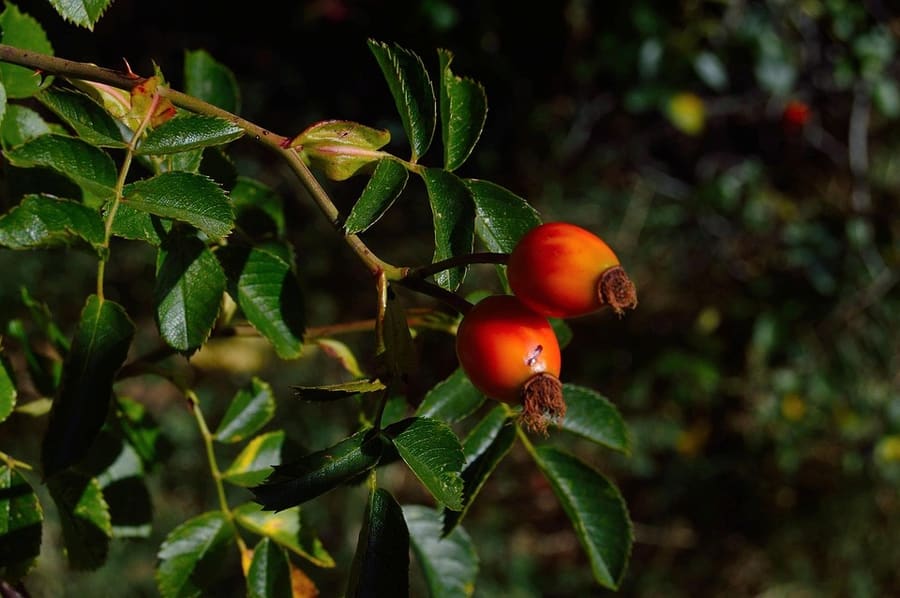
- Ginkgo (Ginkgo biloba) is a distinctive, long-lived deciduous tree that can grow up to about 100 ft (30 m). It has fan-shaped leaves with radiating veins, often turning bright yellow in autumn. Ginkgo is widely promoted for cognitive impairment and dementia, and with claims that it can enhance cognitive performance in healthy people. NCCIH says ginkgo has not been shown to be effective for any condition studied, including preventing dementia.Goji berry (Lycium barbarum) is a deciduous shrub that can grow up to about 13 ft (4 m), bearing bright green leaves and vivid scarlet berries. Goji berries have been used in Traditional Chinese Medicine, with references stretching back to the 1st century CE. The berries are rich in vitamins, polysaccharides, and carotenoids.
- Safety & precautions
- Blood-Thinning: Consult a healthcare professional if using anticoagulants, as ginkgo can reduce blood clotting time. Pregnancy: Safety not established; exercise caution. Dosage: Avoid excessive intake, as high doses may be toxic. Seeds: NCCIH says fresh ginkgo seeds are toxic when eaten and that serious side effects have occurred in people who ate roasted seeds.Pregnancy: Not recommended due to insufficient data. Blood-Thinning Medications: Avoid concurrent use with warfarin.
Safety text above is printed in full and is never abbreviated. For each plant’s complete precautions, drug and food interactions and preparation notes, open its own page - both are free.