
Herb comparison
Cardamom (Eletteria cardamomum) vs St. John’s Wort (Hypericum perforatum)
Both plants are listed as traditional remedies for 1 of the same condition, which is why they are easy to confuse. Their descriptions and full safety notes are below, free.
- About
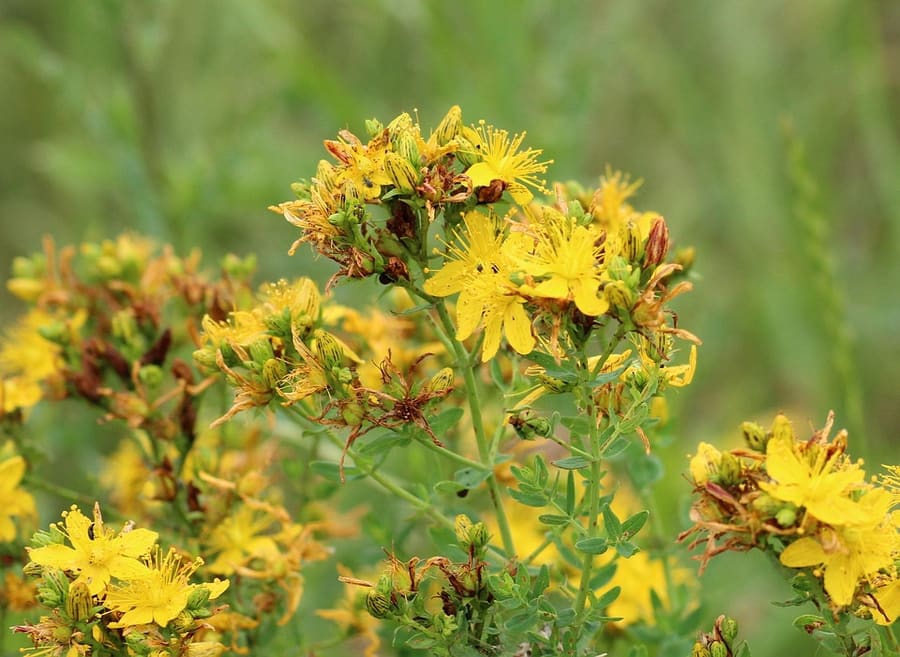
- Cardamom is an aromatic spice long prized for its fragrant, pungent taste. Thanks to its agreeable flavor, cardamom is often added to herbal formulas to improve taste.St. John’s wort (Hypericum perforatum) is an erect perennial reaching about 32 in (80 cm), with bright yellow flowers in clusters. It exudes a red pigment (“hypericin”) when the flowers or leaves are crushed. It has been used historically for low mood, colds, and wound healing. NCCIH says it may help mild or moderate depression but can interact in dangerous, sometimes life-threatening ways with many medicines.
- Safety & precautions
- General Safety: Ask a qualified professional before taking cardamom in medicinal amounts. Essential Oil: The volatile oil should not be taken internally in its pure form.Photosensitivity: High doses or fresh plant can cause increased sensitivity to sunlight. Medication Interactions: May reduce effectiveness of certain prescribed drugs (e.g., blood thinners, antidepressants, birth control); professional guidance is crucial. Pregnancy: Avoid without medical supervision.
Safety text above is printed in full and is never abbreviated. For each plant’s complete precautions, drug and food interactions and preparation notes, open its own page - both are free.