
Herb comparison
Cardamom (Eletteria cardamomum) vs Saffron (Crocus sativa)
Both plants are listed as traditional remedies for 1 of the same condition, which is why they are easy to confuse. Their descriptions and full safety notes are below, free.
- About
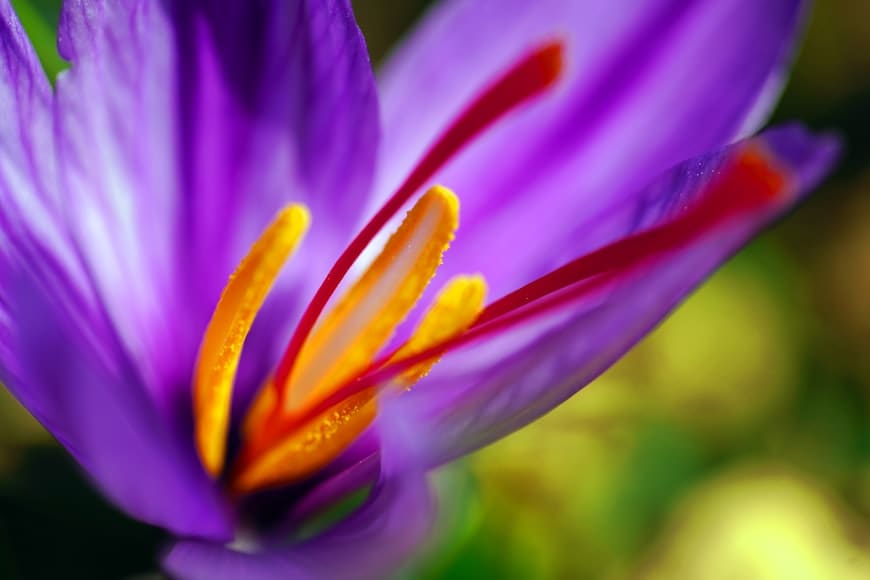
- Cardamom is an aromatic spice long prized for its fragrant, pungent taste. Thanks to its agreeable flavor, cardamom is often added to herbal formulas to improve taste.Saffron (Crocus sativus) is a small perennial (about 1 ft / 30 cm) featuring slender, grasslike leaves and mauve-lilac flowers. Inside each flower are three vivid red-orange stigmas, intensely colored threads used as a spice.
- Safety & precautions
- General Safety: Ask a qualified professional before taking cardamom in medicinal amounts. Essential Oil: The volatile oil should not be taken internally in its pure form.Pregnancy: Avoid medicinal doses (risk of miscarriage). Toxicity: Large amounts can be poisonous; stick to small, recommended doses. Adulteration: Saffron is frequently adulterated; purchase from reputable suppliers.
Safety text above is printed in full and is never abbreviated. For each plant’s complete precautions, drug and food interactions and preparation notes, open its own page - both are free.