Saffron (Crocus sativa)
Photo: Unsplash
- Head and Neck
- 3 conditions
- Licensed photo
Overview
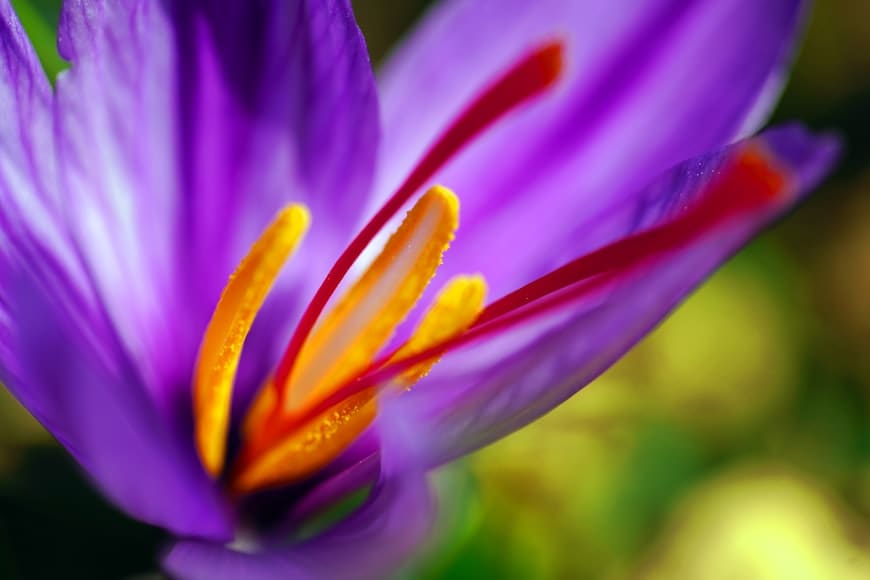
Saffron (Crocus sativus) is a small perennial (about 1 ft / 30 cm) featuring slender, grasslike leaves and mauve-lilac flowers. Inside each flower are three vivid red-orange stigmas, intensely colored threads used as a spice.
Traditional uses & properties
Constituents: Rich in carotenoids called crocins.
Safety & precautions
Pregnancy: Avoid medicinal doses (risk of miscarriage). Toxicity: Large amounts can be poisonous; stick to small, recommended doses. Adulteration: Saffron is frequently adulterated; purchase from reputable suppliers.
Educational reference only - not medical advice. Herbs can interact with medications. Consult a qualified healthcare provider before use. Full disclaimer.
Drug interactions
Interaction data is not available for this herb - talk to a pharmacist before combining it with any medication. A blank entry here means we have not documented interactions, not that none exist.
Habitat
Originating in the Middle East, saffron grows best in sunny, well-drained soils. Major production occurs in Iran, with smaller but notable cultivation in Spain, Greece, and parts of India. Stigma are carefully picked by hand in autumn, making harvesting labor-intensive.
Traditionally used for
Each condition shows its first 2 remedies free. Premium opens the full remedy list for every condition - or come back for the free Condition of the Day.
Frequently asked questions
What is Saffron (Crocus sativa) traditionally used for?
Traditional sources describe Saffron (Crocus sativa) as follows: Constituents: Rich in carotenoids called crocins.
What safety cautions apply to Saffron (Crocus sativa)?
Pregnancy: Avoid medicinal doses (risk of miscarriage). Toxicity: Large amounts can be poisonous; stick to small, recommended doses. Adulteration: Saffron is frequently adulterated; purchase from reputable suppliers.
Related herbs
 Bilberry (Vaccinium myrtillus)
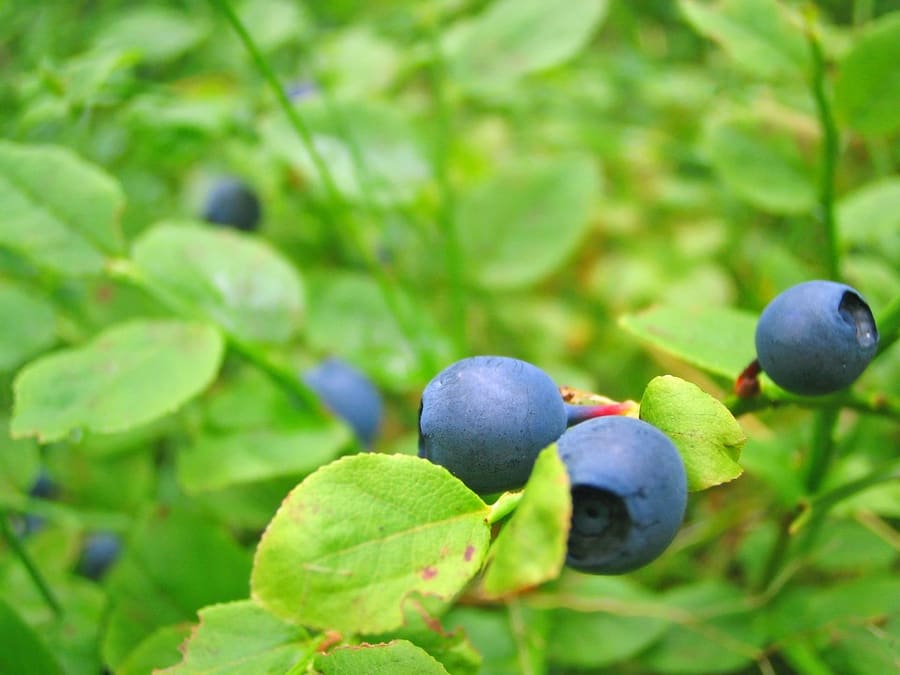
Bilberry (Vaccinium myrtillus) has traditionally been used for conditions related to vision, and NCCIH says its anthocyanins and other substances may be of interest for further research. NCCIH says bilberry has not been clearly shown to help any health condition, and the most rigorous studies did not find that it improved night vision in healthy people. It is closely related to the blueberry.
- Cardamom (Eletteria cardamomum)
Cardamom is an aromatic spice long prized for its fragrant, pungent taste. Thanks to its agreeable flavor, cardamom is often added to herbal formulas to improve taste.
 Cornflower (Centaurea cyanus)
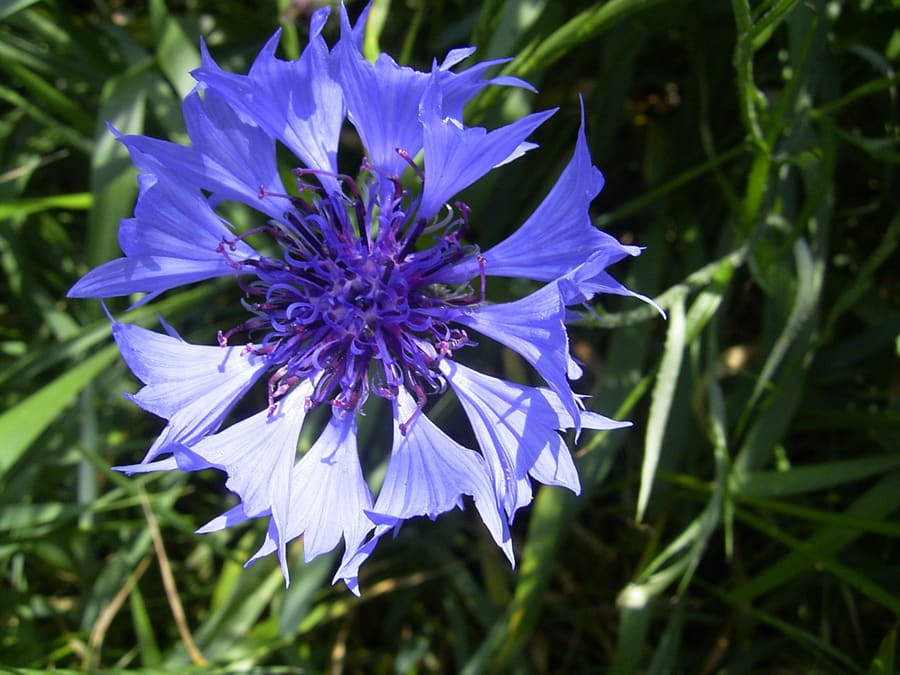
Cornflower (Centaurea cyanus) is an annual or biennial plant reaching about 3 ft (90 cm). It has multiple branching stems, a rosette of lower leaves, and striking sky-blue flower heads that bloom in summer.
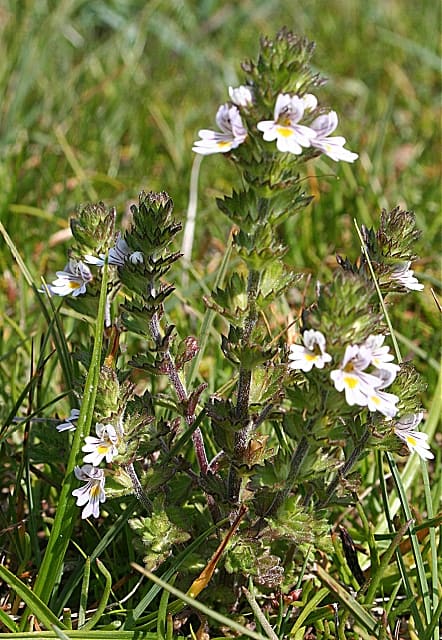 Eyebright (Euphrasia spp)
Creeping semi-parasitic annual growing to 20 in (50 cm). Has tiny oval leaves and small scallop-edged white flowers with yellow spots and a black center, somewhat resembling an eye.
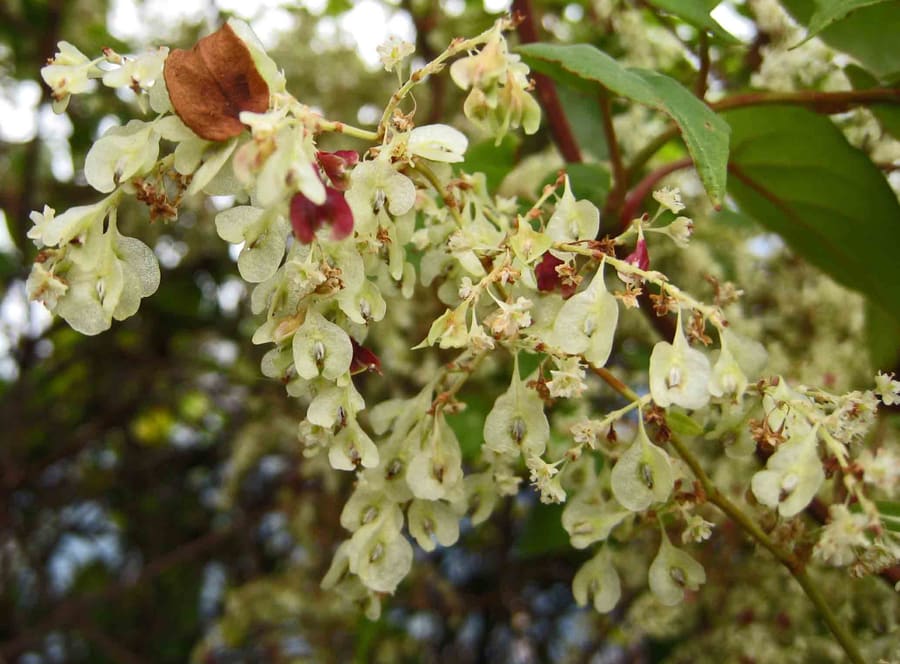 Fo Ti (Polygonum multiflorum)Not for self-dosing
Fo ti (Polygonum multiflorum), also known as he shou wu, is a perennial vine used in Traditional Chinese Medicine (TCM).
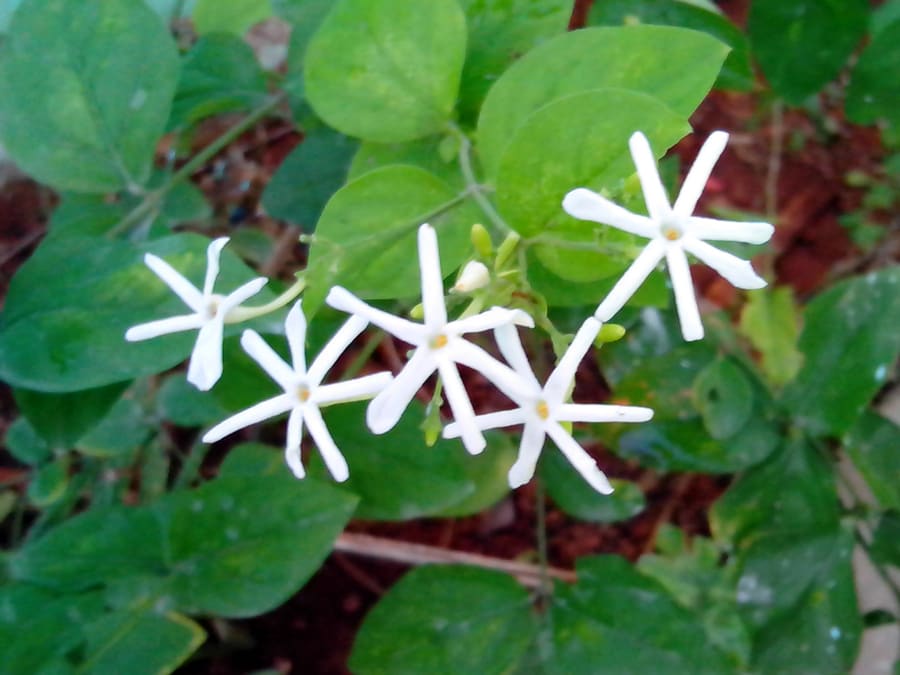 Jasmine (Jasminum grandiflorum)
Jasmine (Jasminum officinale) is a slender evergreen climber, growing up to around 20 ft (6 m), noted for its dark green compound leaves and sweetly scented, tubular white flowers. The blossoms yield a prized essential oil.
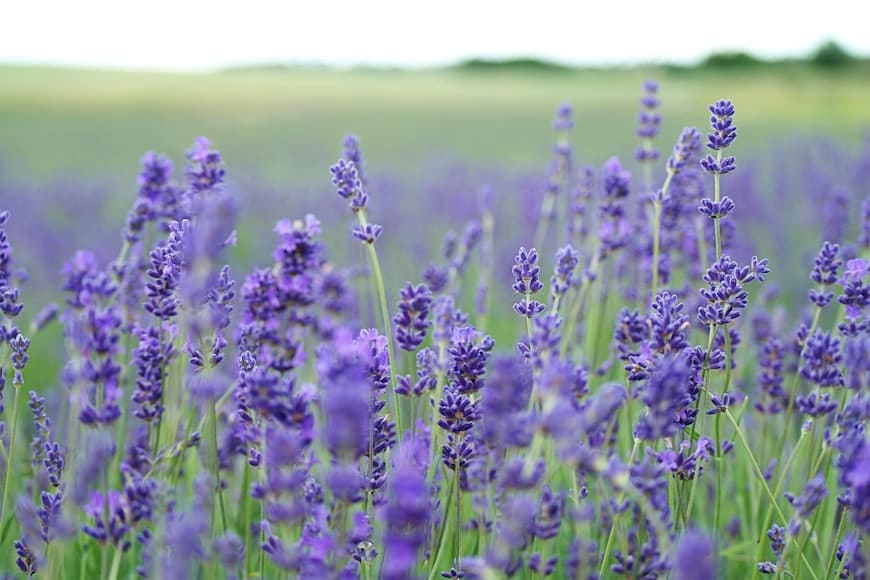 Lavender (Lavandula angustifolia)
Lavender (Lavandula officinalis, also known as L. angustifolia) is a small, perennial shrub that can grow about 3 ft (1 m) high, characterized by its narrow, silver-green leaves and spiked violet-blue flowers. Renowned for its sweet aroma, lavender has a long history in traditional medicine for improving mood and sleep, and NCCIH says it is promoted today for calming anxiety and stress. NCCIH says studies suggest an oral lavender oil product might help anxiety, but more high-quality research is needed to reach reliable conclusions.
 Mulberry Leaf (Morus alba)
White mulberry is a deciduous tree cultivated for over 5,000 years, primarily known as the preferred food source for silkworms. The leaves contain flavonoids along with vitamins A, B1, B2 and C.