
Herb comparison
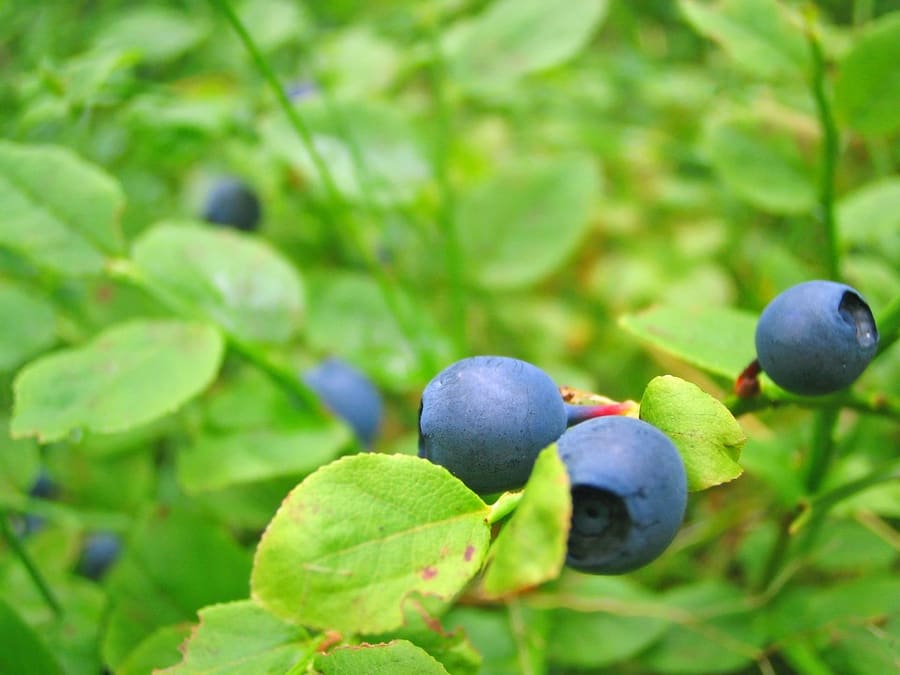
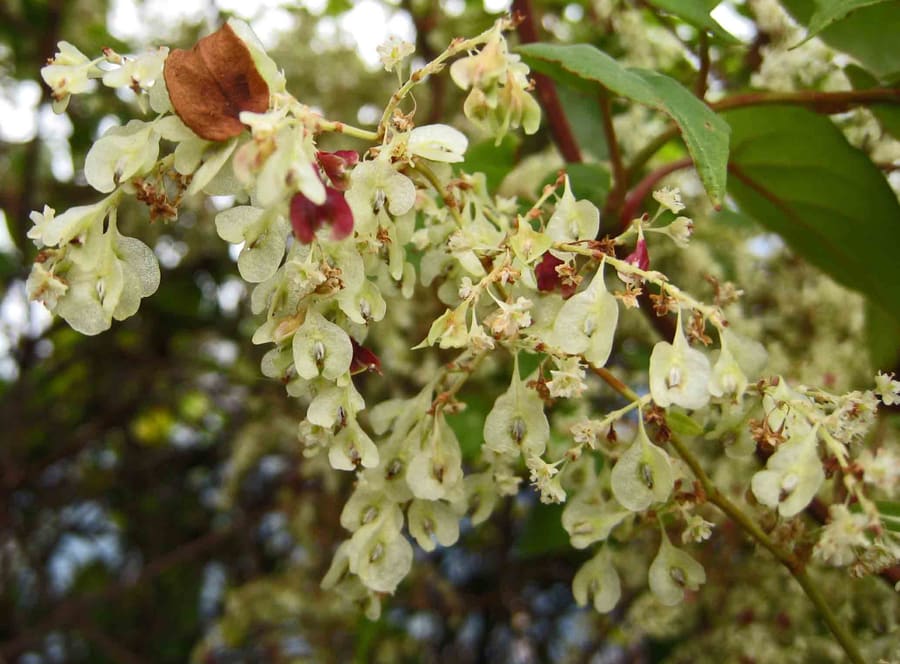
Bilberry (Vaccinium myrtillus) vs Fo Ti (Polygonum multiflorum)
Both plants are listed as traditional remedies for 1 of the same condition, which is why they are easy to confuse. Their descriptions and full safety notes are below, free.
Fo Ti (Polygonum multiflorum) is restricted
Preparation amounts are not shown for this herb. It is toxic, restricted, or otherwise unsafe to self-dose - the margin between a traditional dose and a harmful one is too small to publish as reference material. If you are considering it, that conversation belongs with a doctor or a qualified practitioner, not a website.
- About
- Bilberry (Vaccinium myrtillus) has traditionally been used for conditions related to vision, and NCCIH says its anthocyanins and other substances may be of interest for further research. NCCIH says bilberry has not been clearly shown to help any health condition, and the most rigorous studies did not find that it improved night vision in healthy people. It is closely related to the blueberry.Fo ti (Polygonum multiflorum), also known as he shou wu, is a perennial vine used in Traditional Chinese Medicine (TCM).
- Safety & precautions
- Leaves (Long-Term Use): Extended consumption of bilberry leaves in high amounts may cause gastric irritation or kidney issues; NCCIH says bilberry leaves may be unsafe in high doses or over long periods. Blood Thinners: If you take anticoagulant medication or have a bleeding disorder, consult a qualified professional before using bilberry in medicinal doses.Liver injury: LiverTox calls fo ti (Polygonum multiflorum, he shou wu) a well-established cause of acute liver injury and notes that in China it is reported as the leading cause of herb-related liver injury. Symptoms have started anywhere from a few days to about six months after starting, and up to one in ten clinically apparent cases has been fatal or needed an urgent liver transplant. Injury often returns quickly if the herb is restarted. Do not use fo ti if you have liver disease, and stop it and seek care if you develop fatigue, nausea, dark urine or yellowing skin or eyes. Digestive Weakness & Diarrhea: Fo ti is not recommended for those with poor digestion, diarrhea, or heavy mucus congestion.
Safety text above is printed in full and is never abbreviated. For each plant’s complete precautions, drug and food interactions and preparation notes, open its own page - both are free.
Conditions that list both
Related comparisons
- Bilberry (Vaccinium myrtillus) vs Mulberry Leaf (Morus alba)
- Bilberry (Vaccinium myrtillus) vs Saffron (Crocus sativa)
- Alfalfa (Medicago sativa) vs Bilberry (Vaccinium myrtillus)
- Arjun (Terminalia arjuna) vs Fo Ti (Polygonum multiflorum)
- Bilberry (Vaccinium myrtillus) vs Eyebright (Euphrasia spp)
- Cinchona (Rubiaceae) vs Fo Ti (Polygonum multiflorum)