
Herb comparison
Cinchona (Rubiaceae) vs Fo Ti (Polygonum multiflorum)
Both plants are listed as traditional remedies for 1 of the same condition, which is why they are easy to confuse. Their descriptions and full safety notes are below, free.
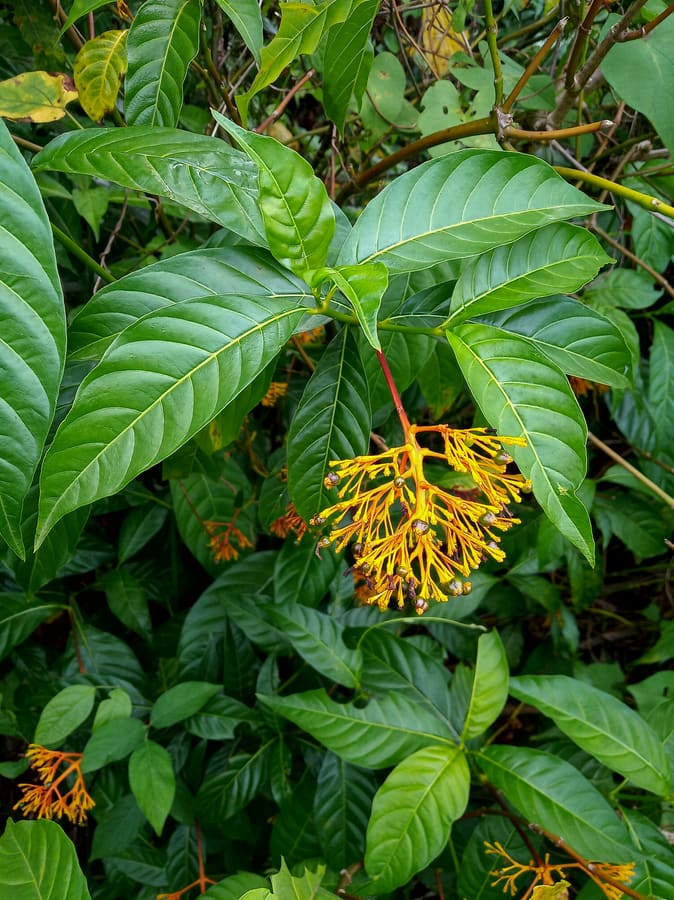
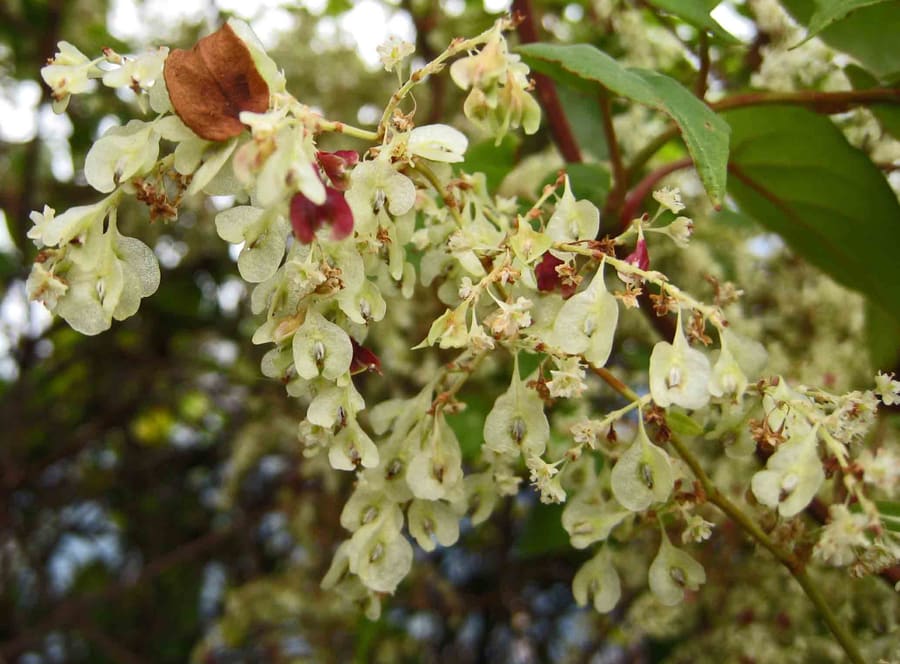
Cinchona (Rubiaceae) and Fo Ti (Polygonum multiflorum) are restricted
Preparation amounts are not shown for this herb. It is toxic, restricted, or otherwise unsafe to self-dose - the margin between a traditional dose and a harmful one is too small to publish as reference material. If you are considering it, that conversation belongs with a doctor or a qualified practitioner, not a website.
- About
- Cinchona is an evergreen tree, growing to about 80 ft (25 m). It has reddish bark and large leaves that can reach 20 in (50 cm). It is historically famous as the source of quinine, and it also contains other alkaloids, including quinidine. The bark is bitter and astringent.Fo ti (Polygonum multiflorum), also known as he shou wu, is a perennial vine used in Traditional Chinese Medicine (TCM).
- Safety & precautions
- Cinchonism: Quinine and the related alkaloids cause a recognized toxicity syndrome (ringing in the ears, hearing loss, headache, nausea, blurred vision and dizziness), and it begins at doses close to the ones traditional texts describe. Blood: Quinine can trigger severe immune thrombocytopenia, a sudden collapse in platelet count, and hemolysis in people with G6PD deficiency. These reactions are unpredictable and can follow a single exposure. Heart: The bark contains quinidine, an antiarrhythmic that prolongs the QT interval and can itself provoke dangerous rhythms. Avoid alongside other QT-prolonging medicines. Interactions: Quinine and quinidine interact with anticoagulants, digoxin, other antiarrhythmics, and many drugs cleared by the liver. Pregnancy and breastfeeding: Avoid. Higher doses are oxytocic and have been associated with harm to the fetus. General: Regulators have withdrawn or restricted over-the-counter quinine products because of these risks. Cinchona bark is not something to self-dose: malaria and heart-rhythm problems both need medical care.Liver injury: LiverTox calls fo ti (Polygonum multiflorum, he shou wu) a well-established cause of acute liver injury and notes that in China it is reported as the leading cause of herb-related liver injury. Symptoms have started anywhere from a few days to about six months after starting, and up to one in ten clinically apparent cases has been fatal or needed an urgent liver transplant. Injury often returns quickly if the herb is restarted. Do not use fo ti if you have liver disease, and stop it and seek care if you develop fatigue, nausea, dark urine or yellowing skin or eyes. Digestive Weakness & Diarrhea: Fo ti is not recommended for those with poor digestion, diarrhea, or heavy mucus congestion.
Safety text above is printed in full and is never abbreviated. For each plant’s complete precautions, drug and food interactions and preparation notes, open its own page - both are free.