
Herb comparison
Arjun (Terminalia arjuna) vs Hawthorn (Crataegus oxyacantha)
Both plants are listed as traditional remedies for 1 of the same condition, which is why they are easy to confuse. Their descriptions and full safety notes are below, free.
- About
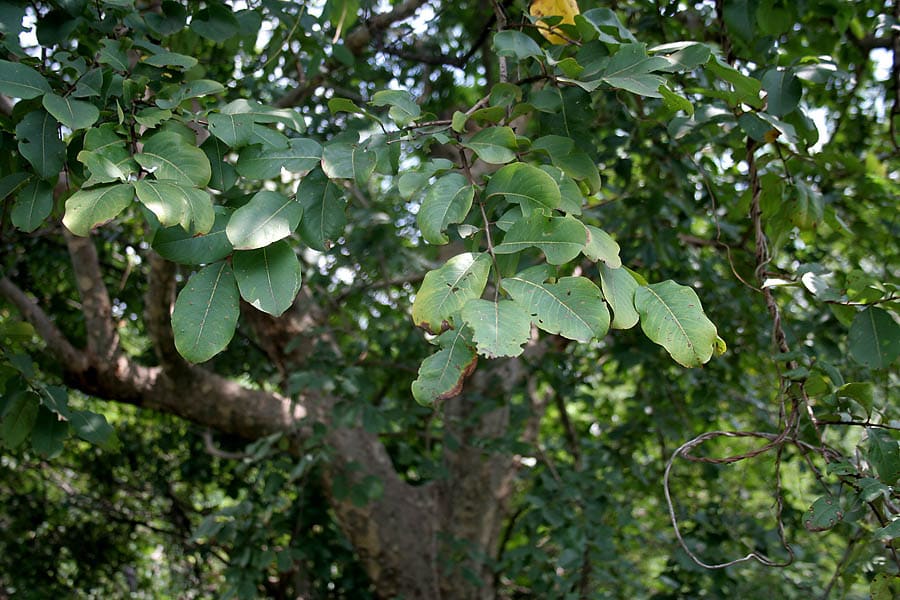
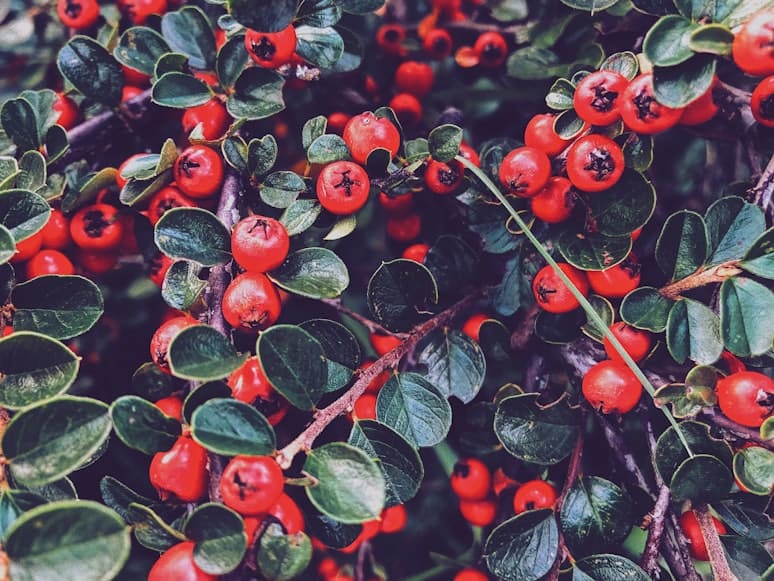
- Arjun is an evergreen tree that can grow up to about 100 ft (30 m) high, bearing pale yellow flowers and cone-shaped leaves.Hawthorn (Crataegus spp.) is a deciduous, thorny tree reaching up to about 26 ft (8 m), adorned with small lobed leaves, clusters of white blossoms, and bright red berries. Hawthorn has a long history in European medicine as a heart tonic and was traditionally used for heart disease, digestion and blood circulation. NCCIH says there is little or no quality evidence on hawthorn for most conditions, and conflicting evidence in heart failure.
- Safety & precautions
- Not recommended during pregnancy unless supervised by a qualified healthcare professional. Owing to conflicting research on how it affects blood pressure and heart rate, it should be taken only with professional guidance.Interactions: Can interact with prescription medications for heart and blood pressure; seek professional advice if already on such drugs. Tejocote root: NCCIH notes FDA warnings that some supplements labeled tejocote root (Mexican hawthorn) actually contain yellow oleander, a toxic plant. General Safety: NCCIH says some hawthorn supplements might be safe in the short term, but no studies have tested use beyond 16 weeks, and one study suggested a specific preparation may have caused early worsening of heart failure. MSK advises that hawthorn should not replace conventional heart failure treatment.
Safety text above is printed in full and is never abbreviated. For each plant’s complete precautions, drug and food interactions and preparation notes, open its own page - both are free.
Conditions that list both
Related comparisons
- Arjun (Terminalia arjuna) vs Dan Shen (Salvia miltiorrhiza)
- Arjun (Terminalia arjuna) vs Fenugreek (Trigonella foenum-graecum)
- Arjun (Terminalia arjuna) vs Fo Ti (Polygonum multiflorum)
- Arjun (Terminalia arjuna) vs Guggul (Commiphora mukul)
- Arjun (Terminalia arjuna) vs Visnaga (Ammi visnaga)
- Chinese Peony / White Peony (Paeonia lactiflora) vs Hawthorn (Crataegus oxyacantha)