
Herb comparison
Arjun (Terminalia arjuna) vs Visnaga (Ammi visnaga)
Both plants are listed as traditional remedies for 1 of the same condition, which is why they are easy to confuse. Their descriptions and full safety notes are below, free.
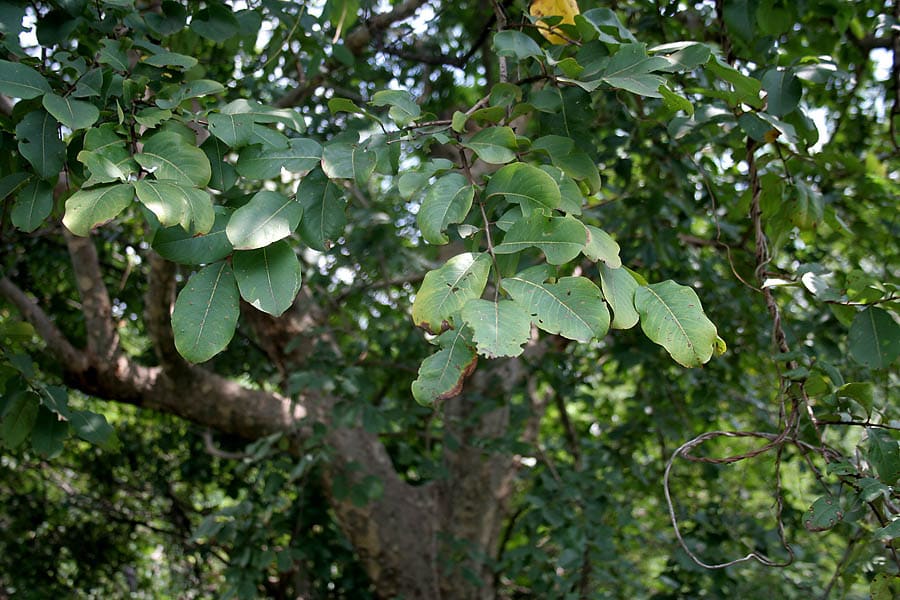
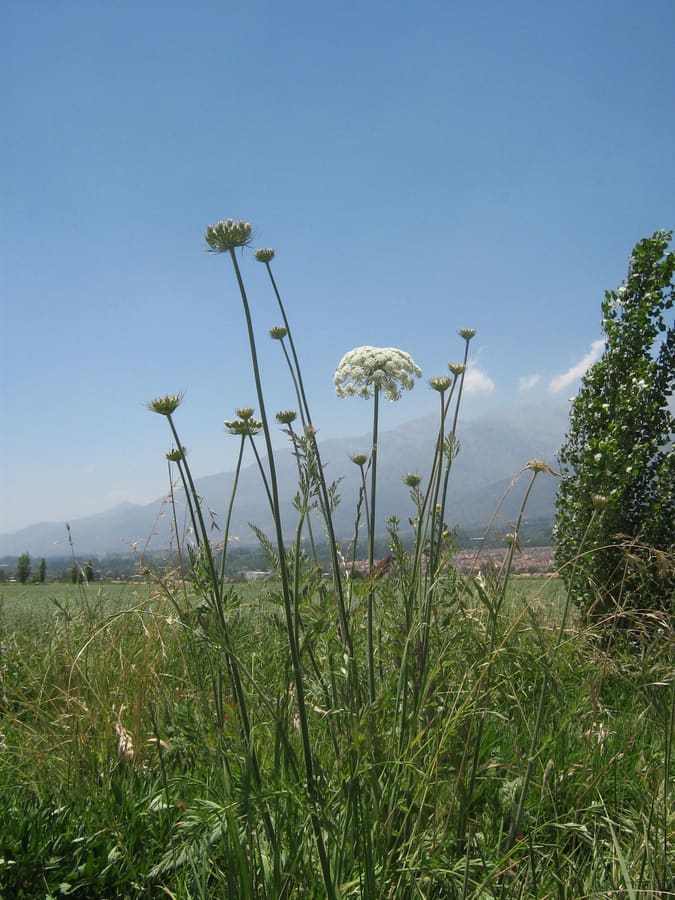
- About
- Arjun is an evergreen tree that can grow up to about 100 ft (30 m) high, bearing pale yellow flowers and cone-shaped leaves.Visnaga (Ammi visnaga) is an erect annual growing up to about 3 ft (1 m) in height, with finely divided, feathery leaves and umbels of tiny white flowers. Its seeds contain the compounds khellin and visnagin.
- Safety & precautions
- Not recommended during pregnancy unless supervised by a qualified healthcare professional. Owing to conflicting research on how it affects blood pressure and heart rate, it should be taken only with professional guidance.Professional Advice: Take only under professional guidance. Long-Term Use: May cause nausea, headaches, insomnia; restrict usage to short courses only.
Safety text above is printed in full and is never abbreviated. For each plant’s complete precautions, drug and food interactions and preparation notes, open its own page - both are free.
Conditions that list both
Related comparisons
- Arjun (Terminalia arjuna) vs Dan Shen (Salvia miltiorrhiza)
- Arjun (Terminalia arjuna) vs Fenugreek (Trigonella foenum-graecum)
- Arjun (Terminalia arjuna) vs Fo Ti (Polygonum multiflorum)
- Arjun (Terminalia arjuna) vs Guggul (Commiphora mukul)
- Arjun (Terminalia arjuna) vs Hawthorn (Crataegus oxyacantha)
- Cleavers (Galium aparine) vs Visnaga (Ammi visnaga)