
Herb comparison
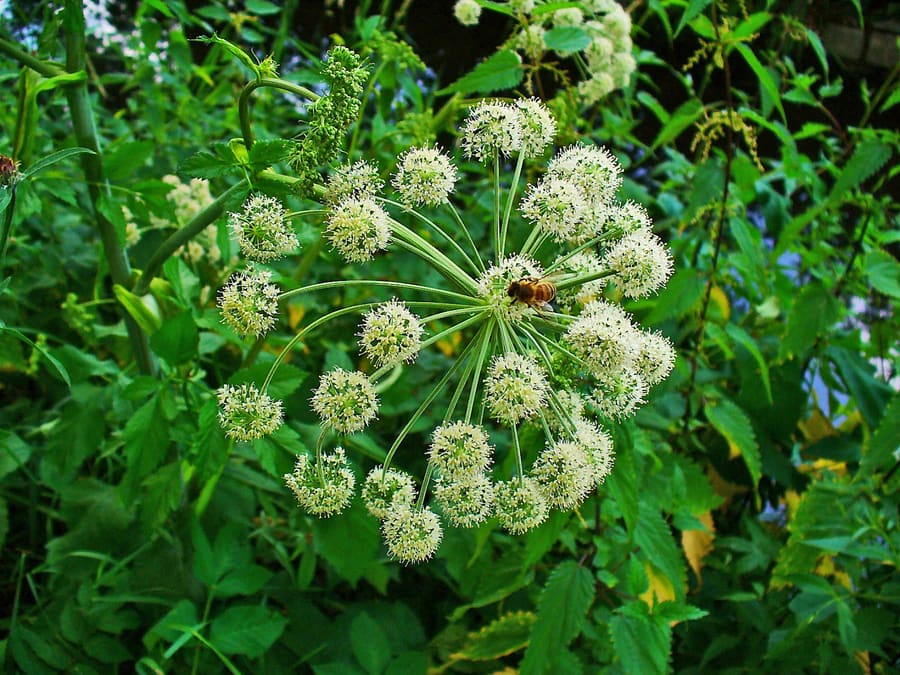
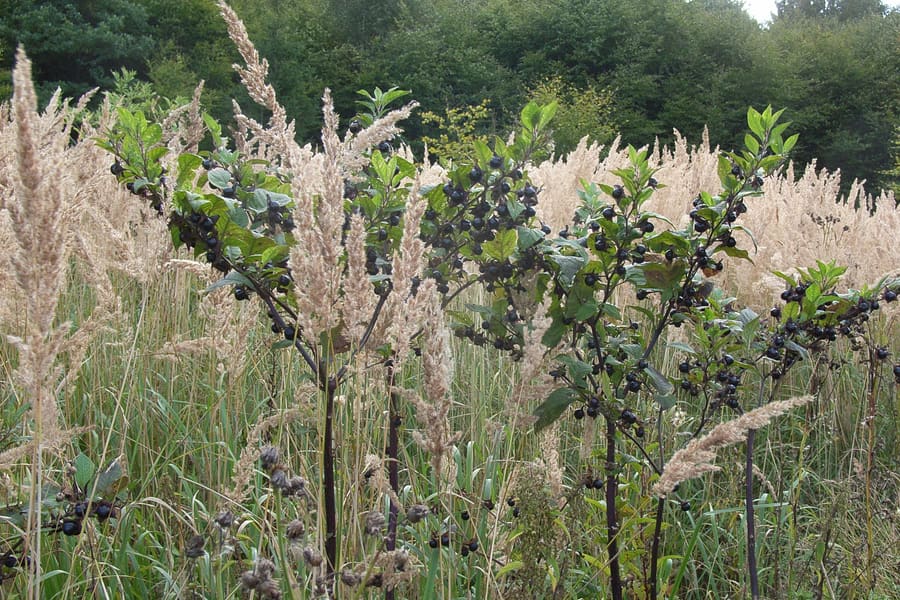
Angelica (angelica archangelica) vs Deadly Nightshade (Atropa belladonna)
Both plants are listed as traditional remedies for 1 of the same condition, which is why they are easy to confuse. Their descriptions and full safety notes are below, free.
Deadly Nightshade (Atropa belladonna) is restricted
Preparation amounts are not shown for this herb. It is toxic, restricted, or otherwise unsafe to self-dose - the margin between a traditional dose and a harmful one is too small to publish as reference material. If you are considering it, that conversation belongs with a doctor or a qualified practitioner, not a website.
- About
- Angelica (Angelica archangelica) is a large, aromatic biennial herb growing up to about 6½ ft (2 m), with ridged hollow stems, bright green divided leaves, and greenish-white flowers arranged in umbrella-like clusters (umbels).Deadly nightshade (Atropa belladonna), also known as belladonna, is a perennial plant reaching about 5 ft (1.5 m), characterized by large leaves and black, berry-like fruits. Renowned for its toxic nature, deadly nightshade contains tropane alkaloids such as atropine and hyoscyamine.
- Safety & precautions
- Do not use during pregnancy or while nursing. Avoid if you experience heavy menstrual bleeding. Do not confuse European angelica with Chinese Angelica (Angelica sinensis), as they have different strengths and applications.Highly Toxic: Fatal if misused. Only use under the direct care of a qualified medical practitioner. Strong Alkaloids: Atropine and related compounds can cause severe side effects, including dry mouth, tachycardia, hallucinations, and more.
Safety text above is printed in full and is never abbreviated. For each plant’s complete precautions, drug and food interactions and preparation notes, open its own page - both are free.
Conditions that list both
Related comparisons
- Angelica (angelica archangelica) vs Chinese Rhubarb (Rheum palmatum)
- Angelica (angelica archangelica) vs Bacopa (Bacopa monnieri)
- Angelica (angelica archangelica) vs Coriander (Coriandrum sativum)
- Angelica (angelica archangelica) vs Cornflower (Centaurea cyanus)
- Angelica (angelica archangelica) vs Fennel (Foeniculum vulgare)
- Angelica (angelica archangelica) vs Ginger (Zingiber officinale)