
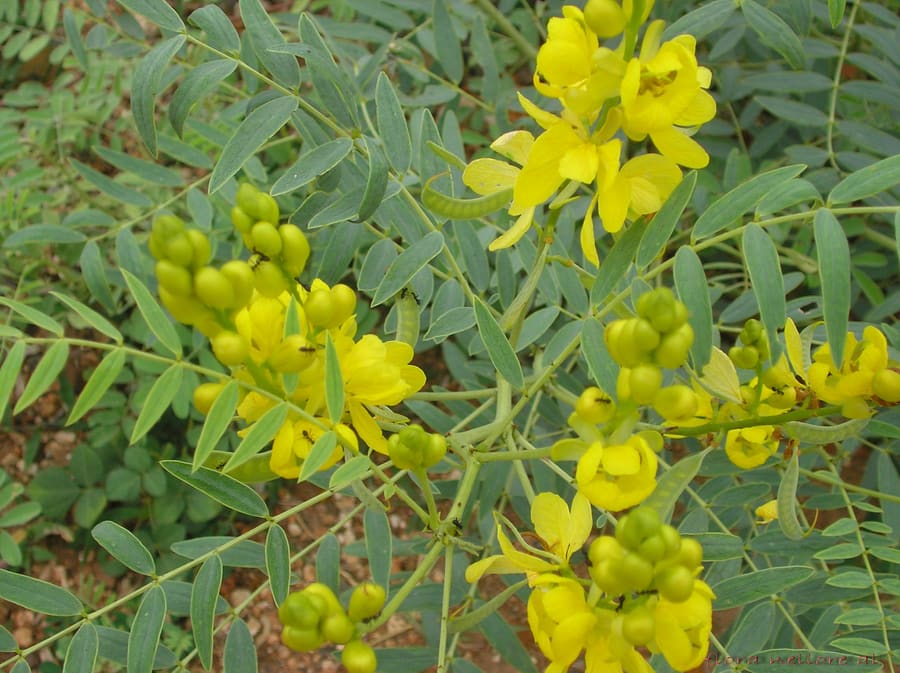
Senna (Cassia senna)
Photo: Lalithamba from India · CC BY 2.0
- Digestive
- 1 condition
- Licensed photo
Overview
Senna (Senna alexandrina, syn. Cassia senna) is a small shrub about 3 ft (1 m) tall, with yellow, pea-like flowers and pods containing seeds. Senna contains anthraquinone glycosides called sennosides, and MedlinePlus describes it as a stimulant laxative used on a short-term basis to treat constipation.
Traditional uses & properties
Stimulant Laxative: MedlinePlus says senna works by increasing the activity of the intestines and normally causes a bowel movement within 6 to 12 hours.
Safety & precautions
Short-Term Use: MedlinePlus advises not using senna for more than a week without talking to a doctor; frequent or continued use can make the bowel dependent on laxatives. Liver: LiverTox lists senna as a possible rare cause of liver injury, mainly at high doses taken for longer than recommended. Children Under 12: Not advisable. Pregnancy: Consult a professional. Gastrointestinal Sensitivity: May cause cramping and discomfort.
Educational reference only - not medical advice. Herbs can interact with medications. Consult a qualified healthcare provider before use. Full disclaimer.
Drug interactions
Senna is a stimulant laxative sold as an over-the-counter medicine. [1]
- Digoxin
- A large 2011 case-control study of people with heart failure found that recent sennoside use was associated with a modestly higher risk of digoxin toxicity. [2]
- Other medicines taken by mouth
- MedlinePlus advises taking certain senna products well apart from other oral medicines, as the label directs, because they may affect how those medicines work. [1]
- Mineral oil
- MedlinePlus lists mineral oil as a nonprescription product that may interact with senna. [1]
How to read this section: each entry is HerbMate's summary of what the cited sources report. Words such as "may", "theoretical" or "in laboratory or animal studies" mean the effect has not been confirmed in people, and "case report" means it was seen in one or a few patients. A medicine that is not listed here has not been shown to be safe with this herb. The numbers in brackets link to the sources at the foot of the page.
Habitat
Primarily native to tropical Africa, senna is cultivated in many tropical regions. Leaves can be picked before or during flowering; pods are collected fully ripe in autumn.
Sources
The interaction notes and the statements on this page that name a source were written by HerbMate from these references, which were last checked in October 2026. They are summaries, not medical advice; ask a pharmacist about your own medicines.
Traditionally used for
Each condition shows its first 2 remedies free. Premium opens the full remedy list for every condition - or come back for the free Condition of the Day.
Frequently asked questions
What is Senna (Cassia senna) traditionally used for?
Traditional sources describe Senna (Cassia senna) as follows: Stimulant Laxative: MedlinePlus says senna works by increasing the activity of the intestines and normally causes a bowel movement within 6 to 12 hours.
What safety cautions apply to Senna (Cassia senna)?
Short-Term Use: MedlinePlus advises not using senna for more than a week without talking to a doctor; frequent or continued use can make the bowel dependent on laxatives. Liver: LiverTox lists senna as a possible rare cause of liver injury, mainly at high doses taken for longer than recommended. Children Under 12: Not advisable. Pregnancy: Consult a professional. Gastrointestinal Sensitivity: May cause cramping and discomfort.
Related herbs
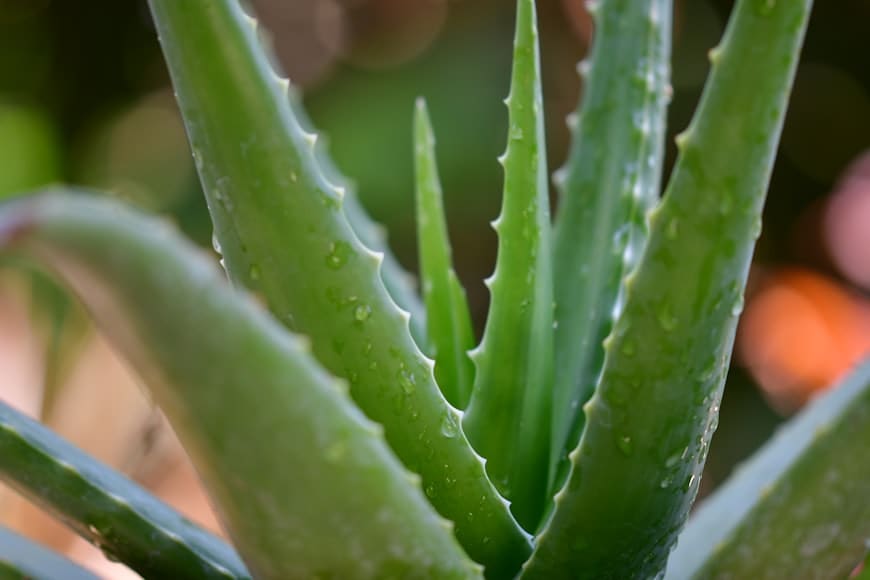 Aloe (Aloe vera)
Aloe vera (syn. A. barbadensis) is a succulent commonly grown as a potted plant, notable for its thick, fleshy leaves that contain two distinct medicinal components. Historically, the inner clear gel was used for skin conditions and to promote wound healing (NCCIH), while the bitter yellow sap from the leaf base, often called “bitter aloes,” is a strong laxative.
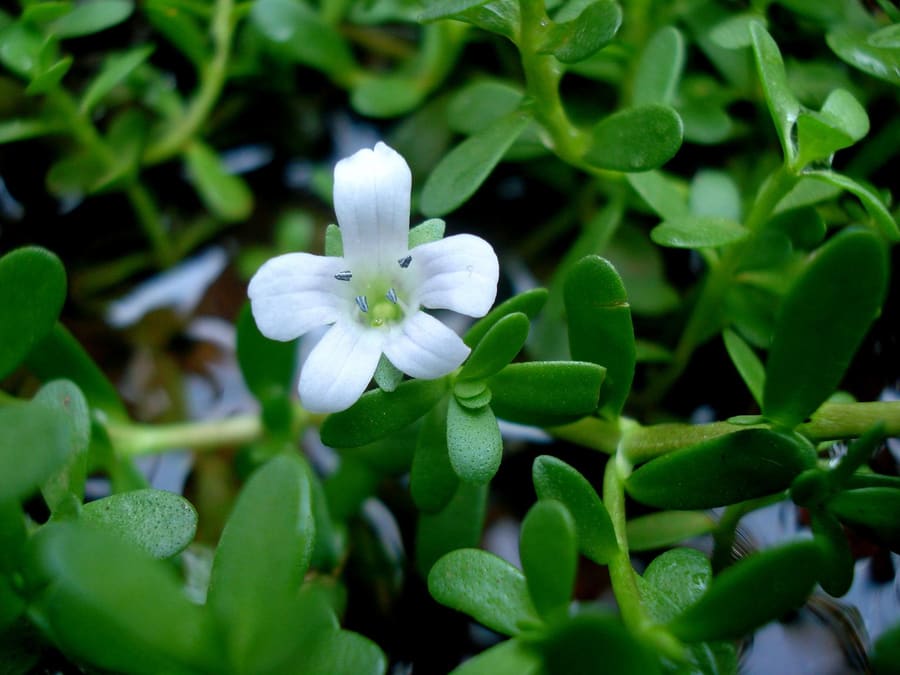 Bacopa (Bacopa monnieri)
Bacopa, also known as Water Hyssop or Brahmi, is a creeping succulent perennial that can grow to about 20 inches. It features spatula-shaped fleshy leaves and pale blue or white flowers on slender stalks. It thrives in marshlands and along the edges of mangrove swamps in warmer temperate and tropical climates, especially southern Asia, where it forms dense mats on mudflats.
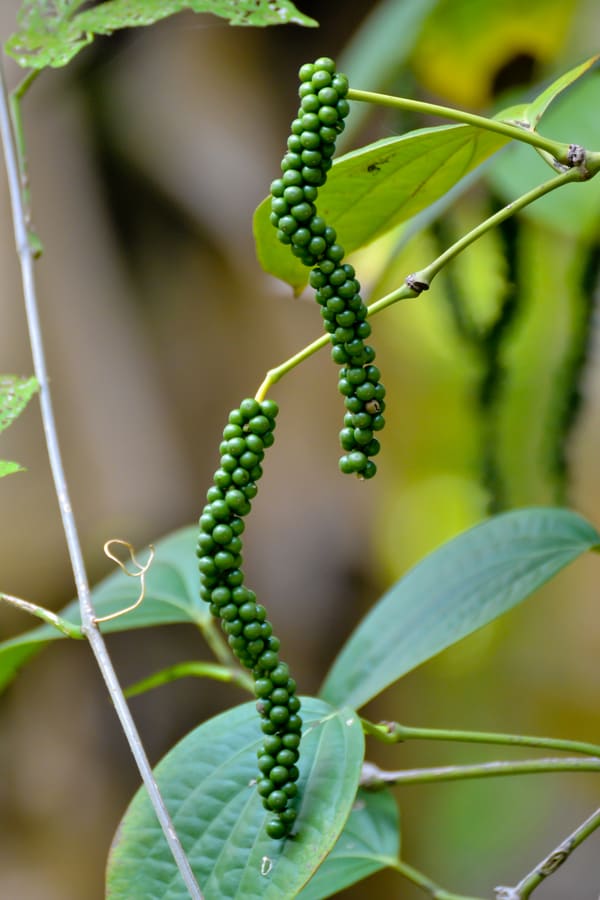 Black Pepper (Piper nigrum)
Black pepper is a perennial woody climbing vine growing to about 16 feet, with large oval leaves, spikes of small white flowers, and clusters of small round fruits that ripen from green to red. Native to southwestern India and now cultivated in tropical areas worldwide, the fruit is harvested from plants that are at least three years old. Different processing methods yield green, black, red, and white peppercorns, each with distinct flavors and uses. Cultivated as both a spice and medicine since ancient times, pepper was such a prized commodity in world trade that Attila the Hun reportedly demanded 3,000 pounds of it as ransom during his siege of Rome in 408 CE.
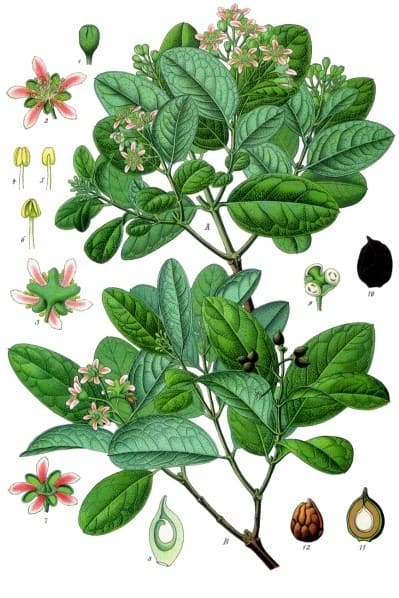 Boldo (Peumus boldus)Not for self-dosing
Boldo is a strongly aromatic multi-branched evergreen shrub or tree growing to 20 feet. It has egg-shaped leathery leaves with a lemony scent, clusters of white or yellow bell-shaped flowers, and small yellow berries. Native to Chile and Peru, it has become naturalized in the Mediterranean region and the West Coast of North America, where it grows on dry sunny slopes and in mountain pastures in the Andes. It is widely cultivated, and its leaves are gathered throughout the year.
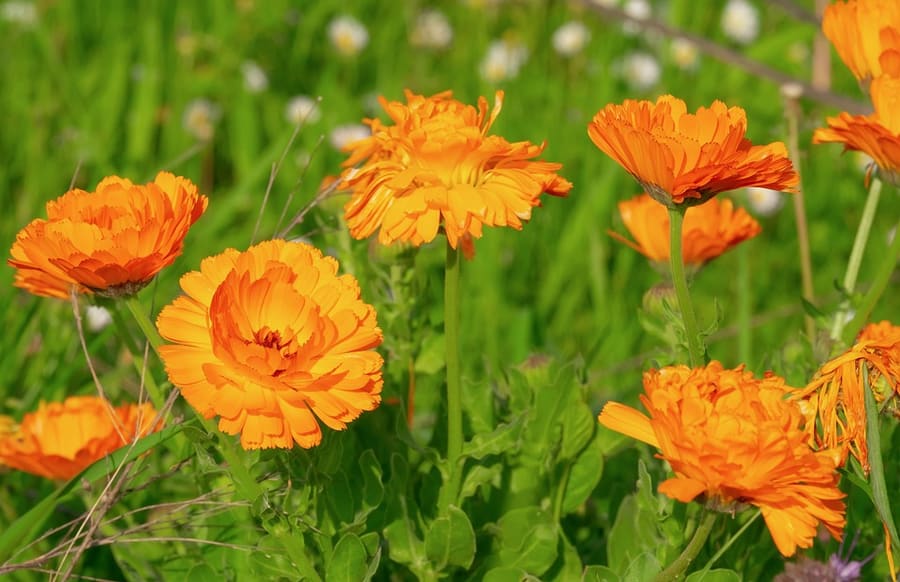 Calendula (Calendula officinalis)
Calendula (Calendula officinalis) has bright orange daisy-like flowers.
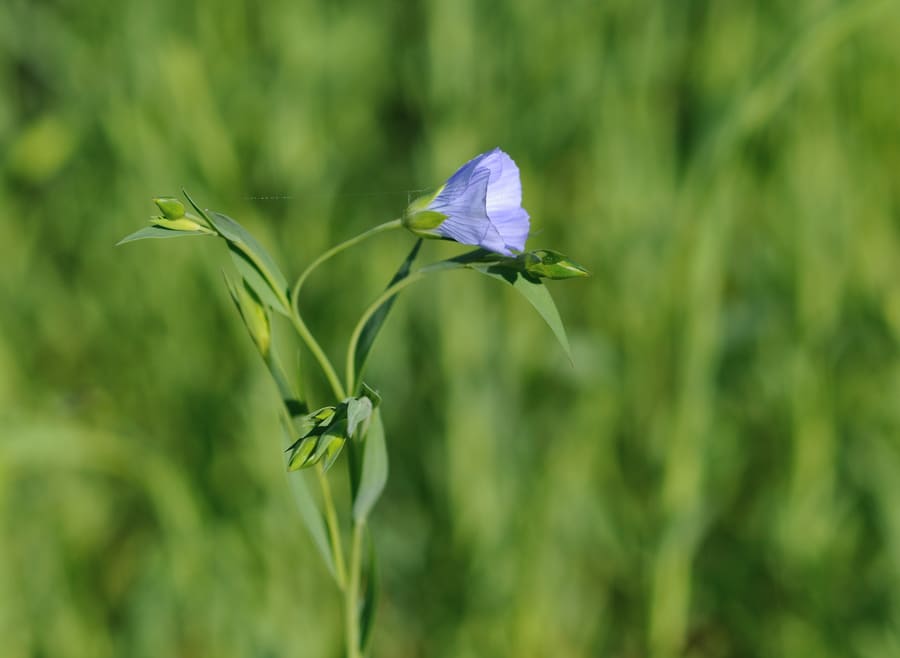 Flaxseed (Linum usitatissimum)
Flaxseed (Linum usitatissimum), also called linseed, is a slender annual plant growing up to about 3 ft (1 m). It produces narrow leaves, delicate blue flowers, and spherical seed capsules containing shiny, flat seeds. Long cultivated in the Middle East and beyond, flaxseeds are rich in fatty acids (particularly alpha-linolenic acid), protein, fiber, mucilage, and lignans (phytoestrogens). Flaxseed and flaxseed oil supplements are promoted for the heart, brain and immune system, although NCCIH describes the research on them as being of varying quality.
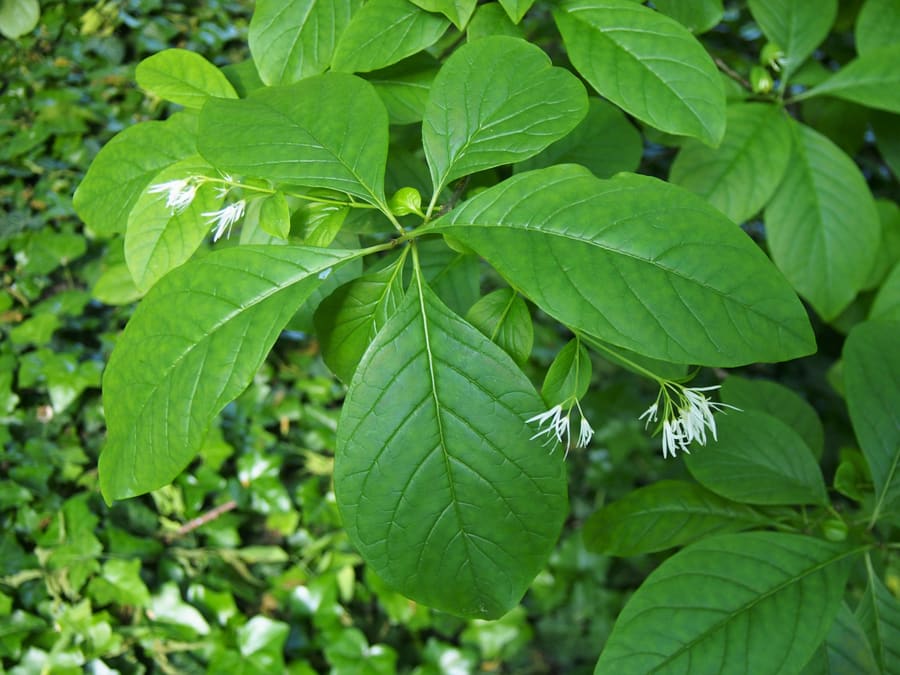 Fringe Tree (Chionanthus virginicus)
Fringe tree is a deciduous shrub or tree growing to 33 feet with elliptical dark green leaves, long flowering stems bearing spikes of white flowers, and dark blue oval fruits. Native to the United States and now also found in eastern Asia, it grows from Pennsylvania south to Florida and Texas and thrives on riverbanks and in damp shrubby areas. The root is unearthed in spring or autumn, mostly in Virginia and North Carolina.
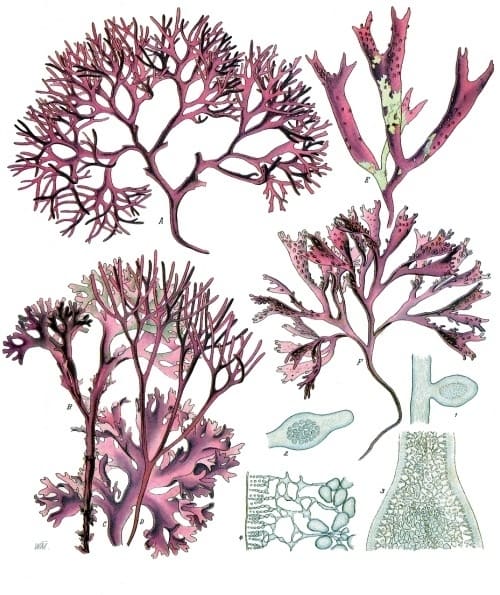 Irish Moss (Chondrus crispus)
Irish moss is a reddish-brown seaweed growing to 10 inches, with a flat, forked plant body and fan-shaped outline. Found on the Atlantic coasts of Europe and North America, it grows just below the waterline, attached to rocks and stones. In summer in North America and in autumn in Ireland, it is pulled up by hand or with a rake at low tide and dried in the sun. This seaweed is used extensively in the food and pharmaceutical industries as an emulsifying and binding agent, appearing in products such as toothpastes. Its polysaccharides become jelly-like when immersed in water, which makes it useful as a food ingredient.