
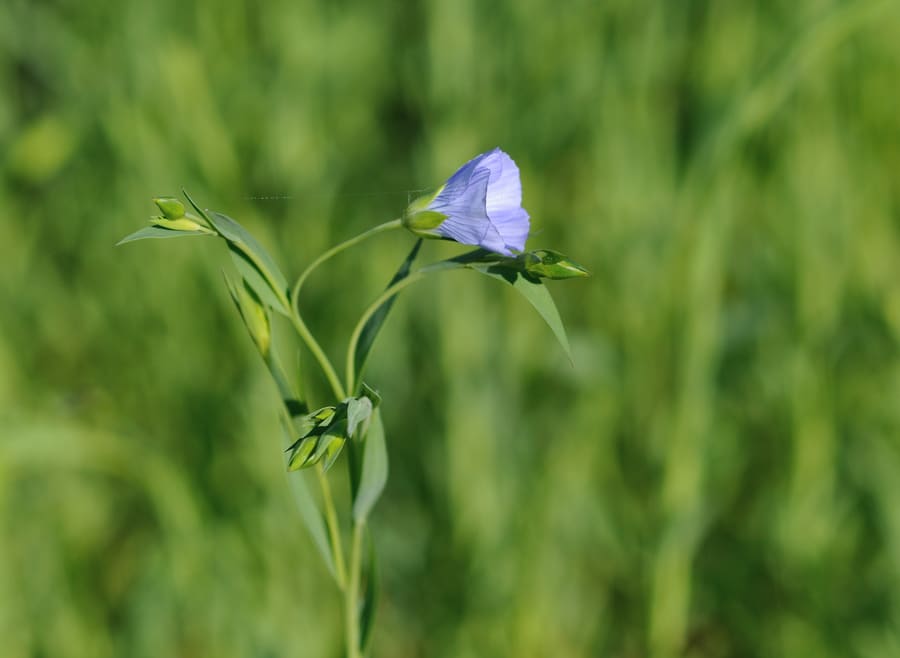
Flaxseed (Linum usitatissimum)
Photo: Quartl · CC BY-SA 3.0
- Digestive
- 2 conditions
- Licensed photo
Overview
Flaxseed (Linum usitatissimum), also called linseed, is a slender annual plant growing up to about 3 ft (1 m). It produces narrow leaves, delicate blue flowers, and spherical seed capsules containing shiny, flat seeds. Long cultivated in the Middle East and beyond, flaxseeds are rich in fatty acids (particularly alpha-linolenic acid), protein, fiber, mucilage, and lignans (phytoestrogens). Flaxseed and flaxseed oil supplements are promoted for the heart, brain and immune system, although NCCIH describes the research on them as being of varying quality.
Traditional uses & properties
Bulk Laxative (traditional use): Traditionally used for constipation; MSK says clinical studies found flaxseed improved constipation symptoms. Phytoestrogenic: Lignans are plant estrogens, and MSK says they may help mild menopausal symptoms like hot flashes. Omega-3-Rich: High in alpha-linolenic acid, a plant omega-3 fatty acid.
Safety & precautions
Oxidation: Ground flaxseeds spoil quickly due to oxidation. Grinding fresh seeds as needed is best. Immature Seeds: Avoid consuming unripe seeds - they may be toxic. Storage: Ground or cracked seeds should be kept in an airtight container in the fridge.
Educational reference only - not medical advice. Herbs can interact with medications. Consult a qualified healthcare provider before use. Full disclaimer.
Drug interactions
Interaction data is not available for this herb - talk to a pharmacist before combining it with any medication. A blank entry here means we have not documented interactions, not that none exist.
Habitat
Originally from temperate regions in Europe and Asia, flax is now widely cultivated globally, including in Canada, the U.S., Argentina, and northern Europe. Sown in spring, it is harvested in late summer or early fall once seeds have ripened.
Sources
The interaction notes and the statements on this page that name a source were written by HerbMate from these references, which were last checked in October 2026. They are summaries, not medical advice; ask a pharmacist about your own medicines.
Traditionally used for
Each condition shows its first 2 remedies free. Premium opens the full remedy list for every condition - or come back for the free Condition of the Day.
Frequently asked questions
What is Flaxseed (Linum usitatissimum) traditionally used for?
Traditional sources describe Flaxseed (Linum usitatissimum) as follows: Bulk Laxative (traditional use): Traditionally used for constipation; MSK says clinical studies found flaxseed improved constipation symptoms. Phytoestrogenic: Lignans are plant estrogens, and MSK says they may help mild menopausal symptoms like hot flashes. Omega-3-Rich: High in alpha-linolenic acid, a plant omega-3 fatty acid.
What safety cautions apply to Flaxseed (Linum usitatissimum)?
Oxidation: Ground flaxseeds spoil quickly due to oxidation. Grinding fresh seeds as needed is best. Immature Seeds: Avoid consuming unripe seeds - they may be toxic. Storage: Ground or cracked seeds should be kept in an airtight container in the fridge.
Related herbs
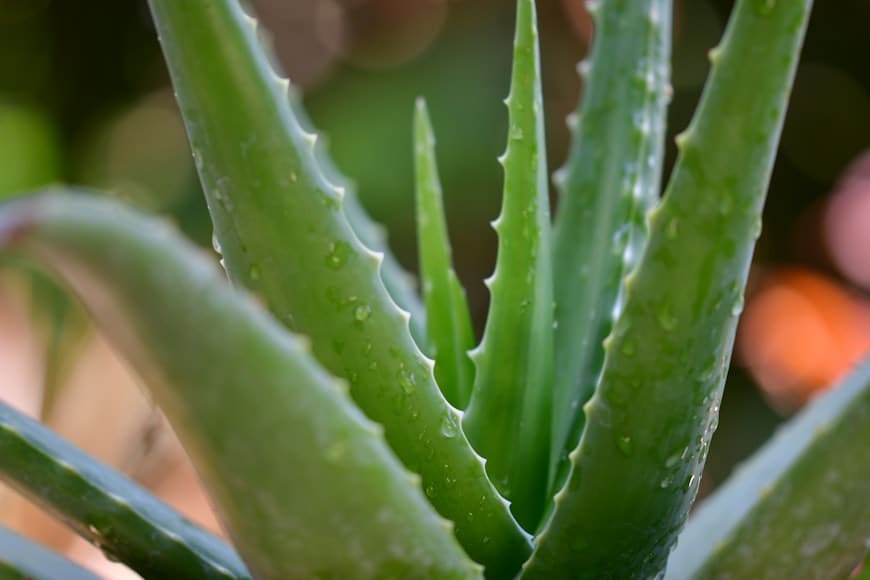 Aloe (Aloe vera)
Aloe vera (syn. A. barbadensis) is a succulent commonly grown as a potted plant, notable for its thick, fleshy leaves that contain two distinct medicinal components. Historically, the inner clear gel was used for skin conditions and to promote wound healing (NCCIH), while the bitter yellow sap from the leaf base, often called “bitter aloes,” is a strong laxative.
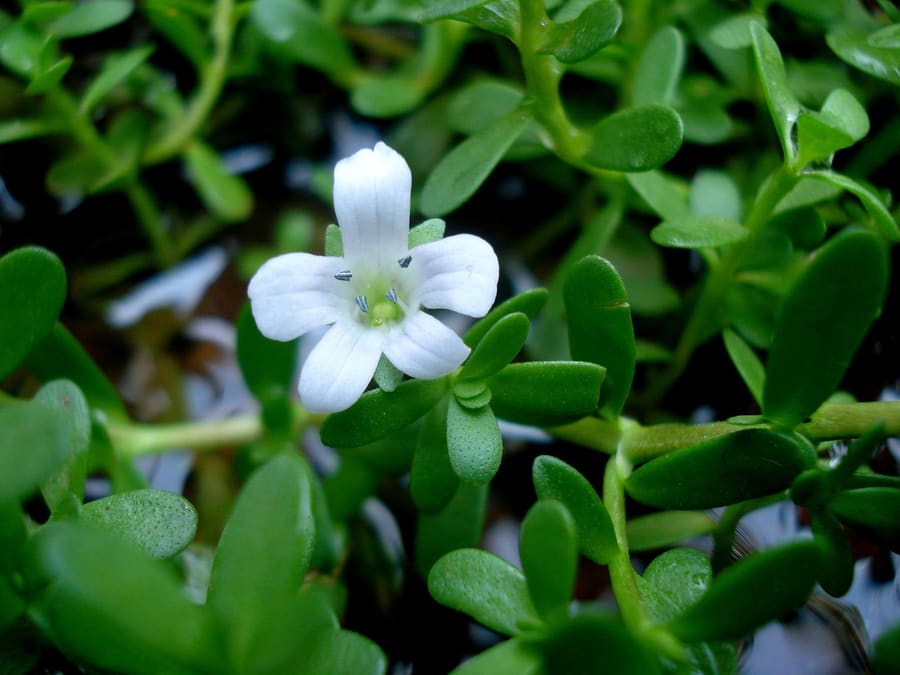 Bacopa (Bacopa monnieri)
Bacopa, also known as Water Hyssop or Brahmi, is a creeping succulent perennial that can grow to about 20 inches. It features spatula-shaped fleshy leaves and pale blue or white flowers on slender stalks. It thrives in marshlands and along the edges of mangrove swamps in warmer temperate and tropical climates, especially southern Asia, where it forms dense mats on mudflats.
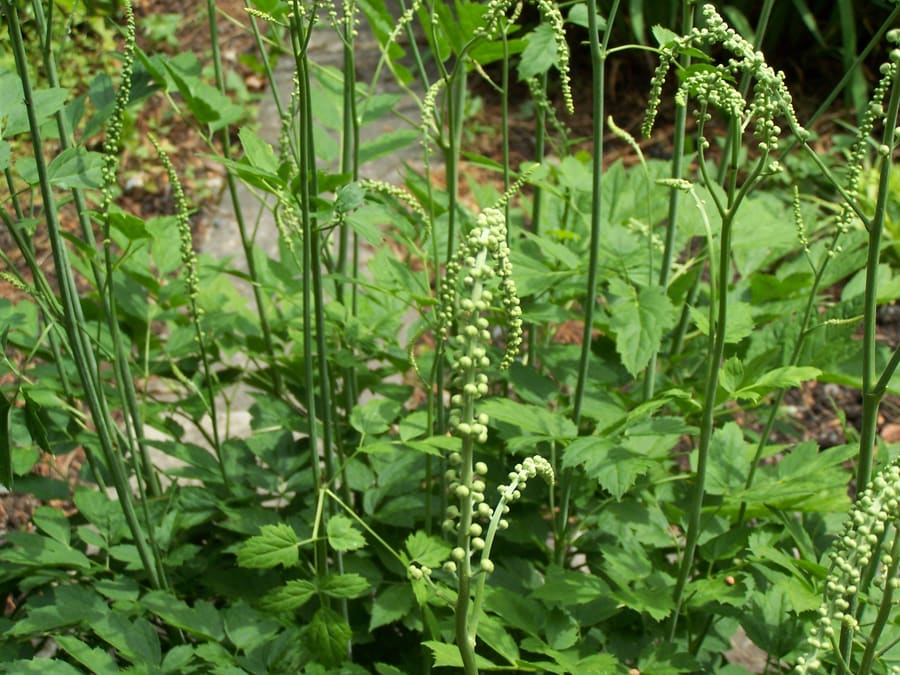 Black Cohosh (Cimicifuga racemosa)
Black cohosh (Cimicifuga racemosa) is a tall herbaceous perennial, growing up to about 8 ft (2.5 m) with creamy-white flower spikes. Its thick, knobby root has a bitter, acrid taste and a distinctive odor. Native Americans used the root for a variety of conditions, including menstrual cramps, kidney ailments and sore throat; NCCIH says research has focused on menopause symptoms, and there aren't enough reliable data on other uses.
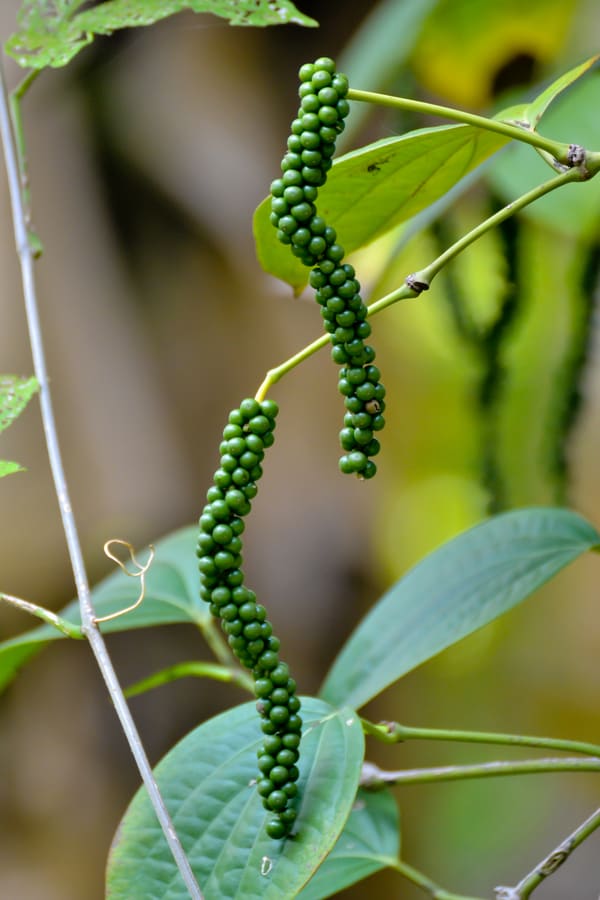 Black Pepper (Piper nigrum)
Black pepper is a perennial woody climbing vine growing to about 16 feet, with large oval leaves, spikes of small white flowers, and clusters of small round fruits that ripen from green to red. Native to southwestern India and now cultivated in tropical areas worldwide, the fruit is harvested from plants that are at least three years old. Different processing methods yield green, black, red, and white peppercorns, each with distinct flavors and uses. Cultivated as both a spice and medicine since ancient times, pepper was such a prized commodity in world trade that Attila the Hun reportedly demanded 3,000 pounds of it as ransom during his siege of Rome in 408 CE.
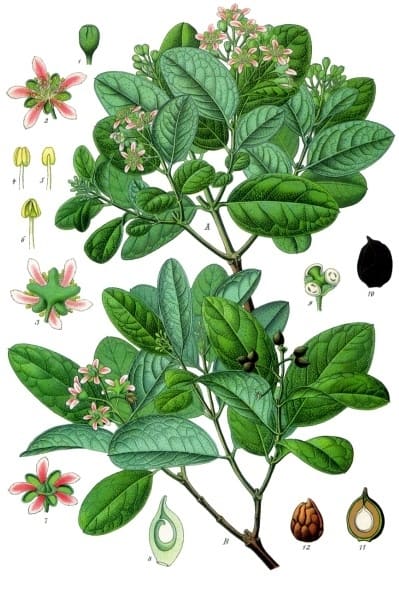 Boldo (Peumus boldus)Not for self-dosing
Boldo is a strongly aromatic multi-branched evergreen shrub or tree growing to 20 feet. It has egg-shaped leathery leaves with a lemony scent, clusters of white or yellow bell-shaped flowers, and small yellow berries. Native to Chile and Peru, it has become naturalized in the Mediterranean region and the West Coast of North America, where it grows on dry sunny slopes and in mountain pastures in the Andes. It is widely cultivated, and its leaves are gathered throughout the year.
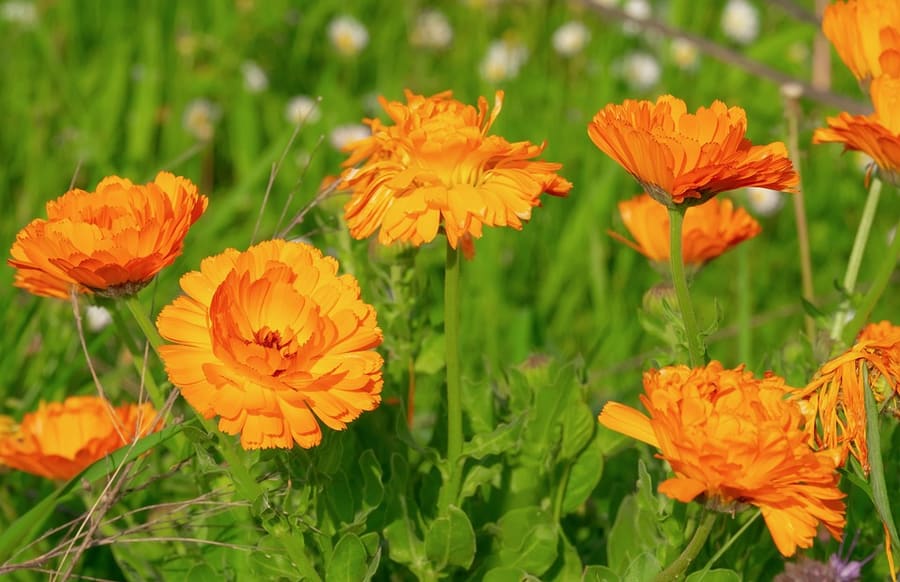 Calendula (Calendula officinalis)
 has bright orange daisy-like flowers.
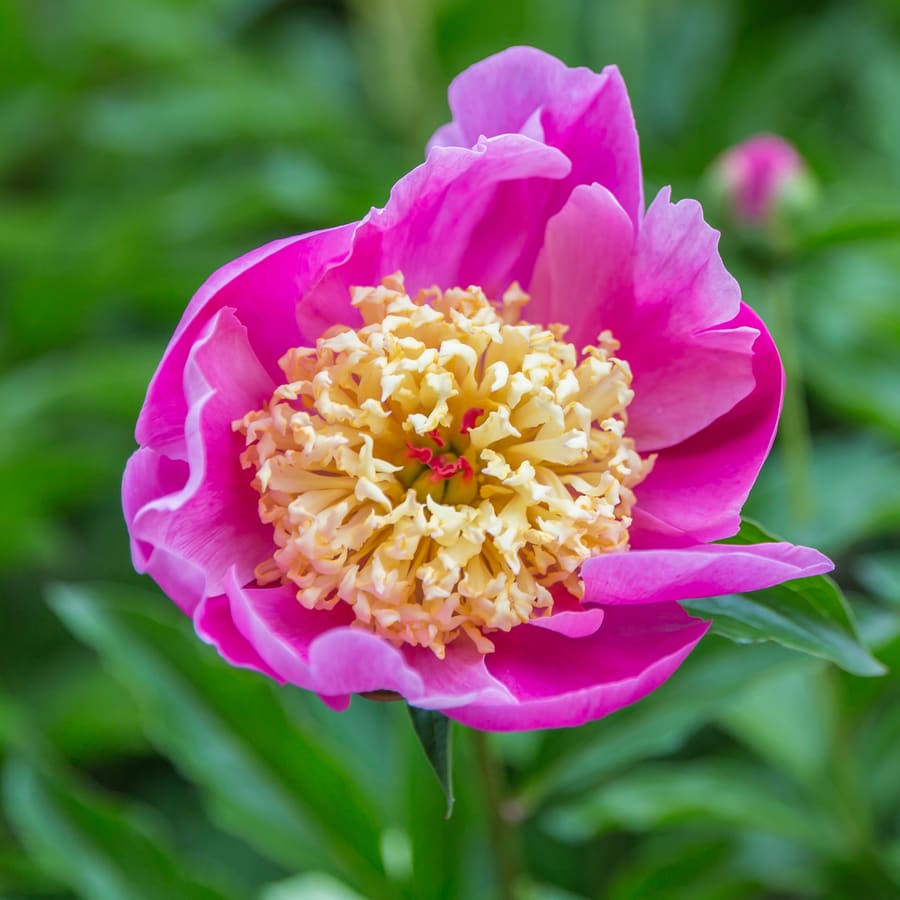 Chinese Peony / White Peony (Paeonia lactiflora)
White peony is an upright perennial growing to 6.5 feet with large white flowers and divided, dark green leaves. Its history of use in China stretches back at least 1,500 years, and it is one of the herbs in 'Four Things Soup.' The plant is cultivated throughout northeastern China and Inner Mongolia, propagated from seed in spring or from root cuttings in winter. The root of 4- or 5-year-old plants is harvested in spring or autumn.
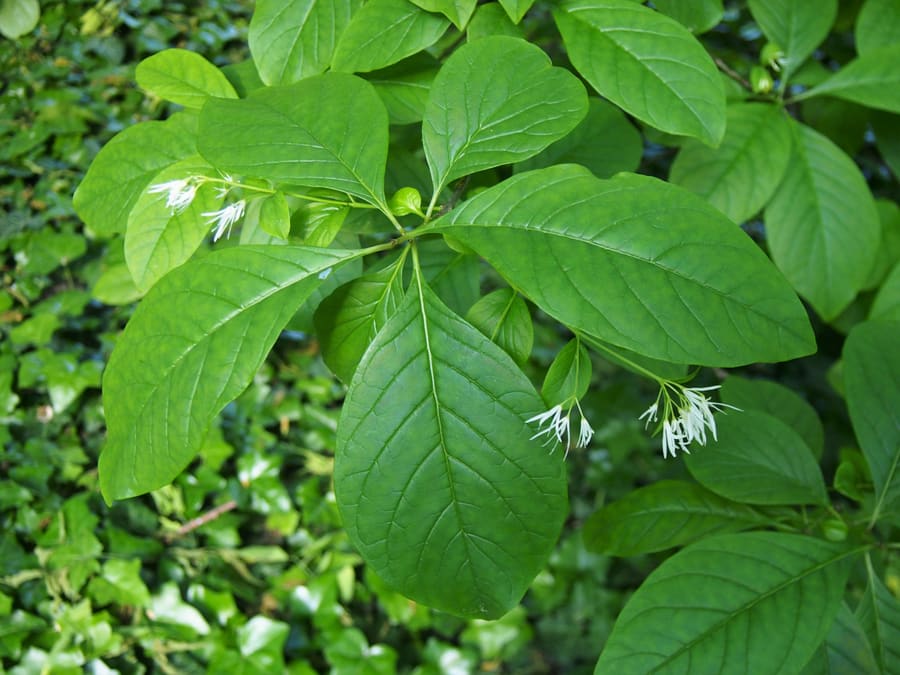 Fringe Tree (Chionanthus virginicus)
Fringe tree is a deciduous shrub or tree growing to 33 feet with elliptical dark green leaves, long flowering stems bearing spikes of white flowers, and dark blue oval fruits. Native to the United States and now also found in eastern Asia, it grows from Pennsylvania south to Florida and Texas and thrives on riverbanks and in damp shrubby areas. The root is unearthed in spring or autumn, mostly in Virginia and North Carolina.