
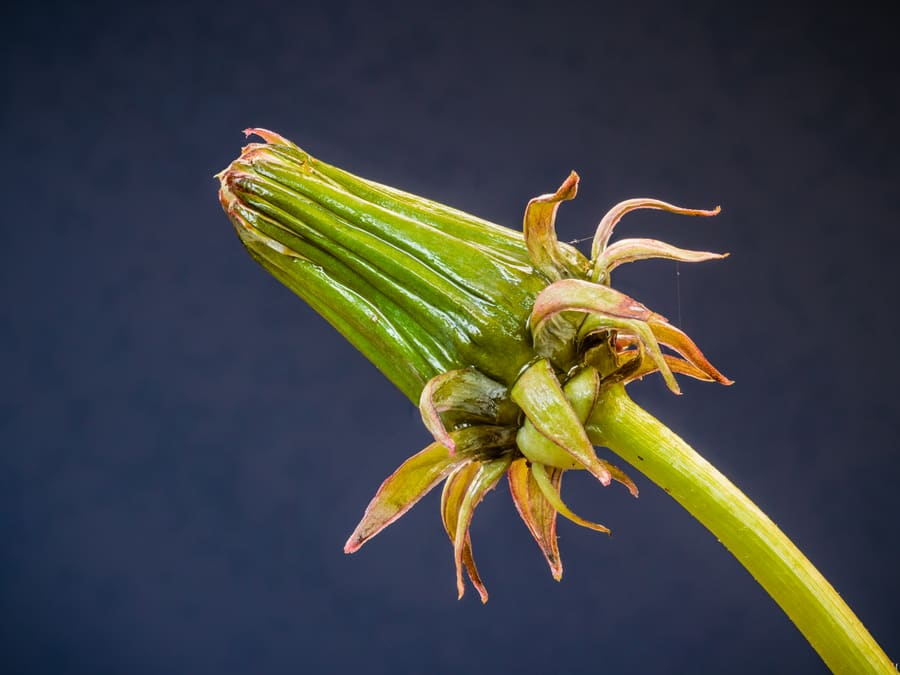
Dandelion (Taraxacum officinale)
Photo: Dominicus Johannes Bergsma · CC BY-SA 4.0
- Digestive
- 1 condition
- Licensed photo
Overview
Dandelion (Taraxacum officinale) is a pervasive perennial weed growing to about 20 in (50 cm), with jagged basal leaves, hollow flower stalks, and bright gold blossoms. Its flowers, leaves and root have traditionally been used in Mexican and other North American medicine, and oral products are promoted for indigestion; NCCIH says there is no compelling scientific evidence for using dandelion for any health condition.
Safety & precautions
General Safety: NCCIH says dandelion in food amounts is likely safe but less is known about larger amounts, and that it might interact with diabetes, blood-thinning and water pill medicines.
Educational reference only - not medical advice. Herbs can interact with medications. Consult a qualified healthcare provider before use. Full disclaimer.
Drug interactions
NCCIH describes possible interactions with dandelion as theoretical. [1]
- Diabetes medicines
- Theoretical according to NCCIH. MSK cites laboratory and animal findings of blood-sugar lowering that could add to these drugs. [1, 2]
- Blood thinners and antiplatelet drugs
- Listed by NCCIH as a theoretical interaction. [1]
- Diuretics (water pills)
- NCCIH lists diuretics as a theoretical concern. MSK notes animal and human studies suggesting dandelion's own diuretic action could add to theirs. [1, 2]
- Immunosuppressants and medicines broken down by liver enzymes
- MSK describes a case of toxic immunosuppressant levels attributed to a tea that contained dandelion, along with laboratory and animal findings on CYP1A2, CYP3A4 and UGT enzymes. [2]
How to read this section: each entry is HerbMate's summary of what the cited sources report. Words such as "may", "theoretical" or "in laboratory or animal studies" mean the effect has not been confirmed in people, and "case report" means it was seen in one or a few patients. A medicine that is not listed here has not been shown to be safe with this herb. The numbers in brackets link to the sources at the foot of the page.
Habitat
Widespread across much of the world, dandelion grows wild in temperate regions and is cultivated in Germany and France. It is typically started from seed in spring. The leaves can be picked in early spring for fresh salads or dried for later medicinal use, while the roots of two-year-old plants are generally harvested in autumn.
Sources
The interaction notes and the statements on this page that name a source were written by HerbMate from these references, which were last checked in October 2026. They are summaries, not medical advice; ask a pharmacist about your own medicines.
Traditionally used for
Each condition shows its first 2 remedies free. Premium opens the full remedy list for every condition - or come back for the free Condition of the Day.
Frequently asked questions
What safety cautions apply to Dandelion (Taraxacum officinale)?
General Safety: NCCIH says dandelion in food amounts is likely safe but less is known about larger amounts, and that it might interact with diabetes, blood-thinning and water pill medicines.
Related herbs
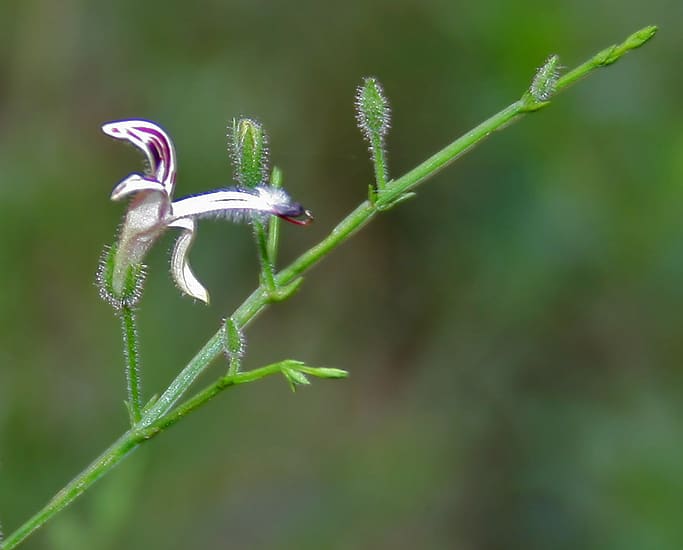 Andrographis (Andrographis paniculata)
Andrographis, commonly known as Green Chiretta or King of Bitters, is an upright annual herb reaching approximately 3 feet in height. Native to India and cultivated throughout northern regions of India and China, this bitter medicinal plant has been valued in Ayurvedic and traditional Chinese medicine for centuries. MSK notes that it has been studied mostly for colds, flu and upper respiratory infections. The plant thrives on plains and in forest undergrowth, where its spotted pale brown or purple flowers and long seed capsules distinguish it from other medicinal herbs.
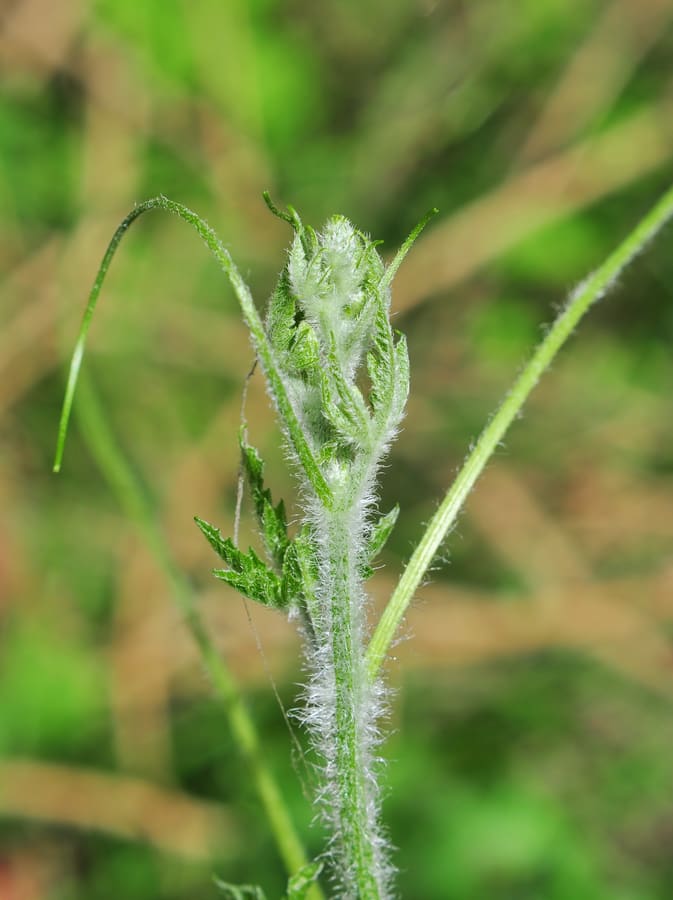 Bitter Melon (Momordica charantia)
Bitter melon is an annual climbing vine reaching about 6.5 feet, characterized by deeply lobed leaves, yellow flowers, and distinctive orange-yellow fruit. Native to southern Asia and now common throughout tropical regions worldwide, it is harvested year-round. Its edible fruit is used both as food and in medicine to treat diabetes in regions including Asia, East Africa and the Caribbean; MSK says data on whether it lowers blood sugar are limited.
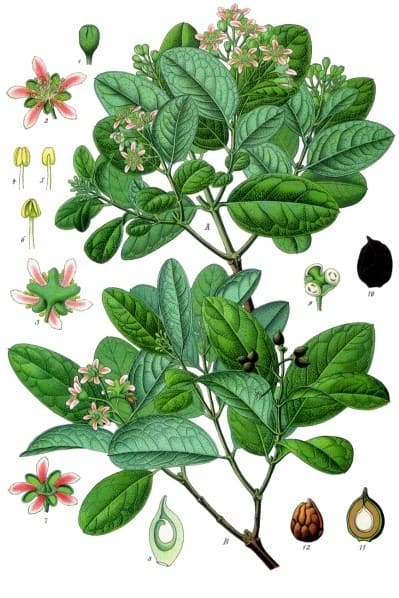 Boldo (Peumus boldus)Not for self-dosing
Boldo is a strongly aromatic multi-branched evergreen shrub or tree growing to 20 feet. It has egg-shaped leathery leaves with a lemony scent, clusters of white or yellow bell-shaped flowers, and small yellow berries. Native to Chile and Peru, it has become naturalized in the Mediterranean region and the West Coast of North America, where it grows on dry sunny slopes and in mountain pastures in the Andes. It is widely cultivated, and its leaves are gathered throughout the year.
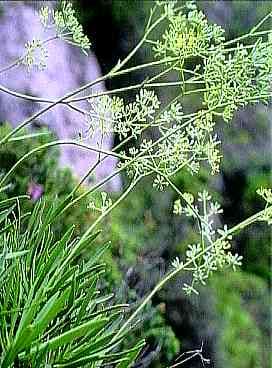 Bupleurum
Bupleurum is an important herb in traditional Chinese and Japanese medicine, often combined with other herbs for colds, fever, digestive disorders and chronic liver diseases (MSK). It contains saikosides (saikosaponins), which have shown anti-inflammatory effects in laboratory studies (MSK). MSK says human data on bupleurum are lacking, including for liver disease.
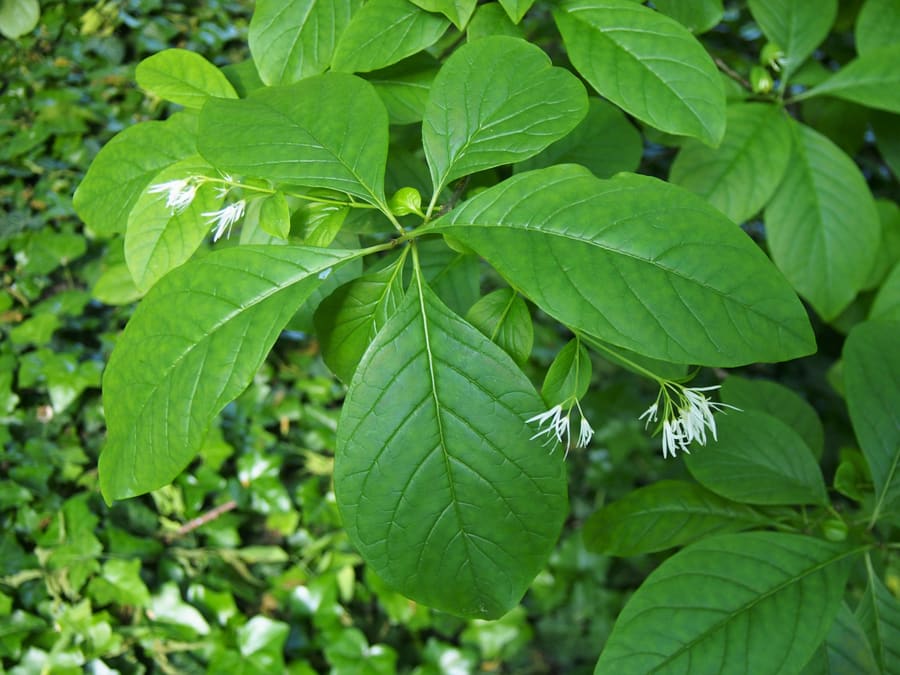 Fringe Tree (Chionanthus virginicus)
Fringe tree is a deciduous shrub or tree growing to 33 feet with elliptical dark green leaves, long flowering stems bearing spikes of white flowers, and dark blue oval fruits. Native to the United States and now also found in eastern Asia, it grows from Pennsylvania south to Florida and Texas and thrives on riverbanks and in damp shrubby areas. The root is unearthed in spring or autumn, mostly in Virginia and North Carolina.
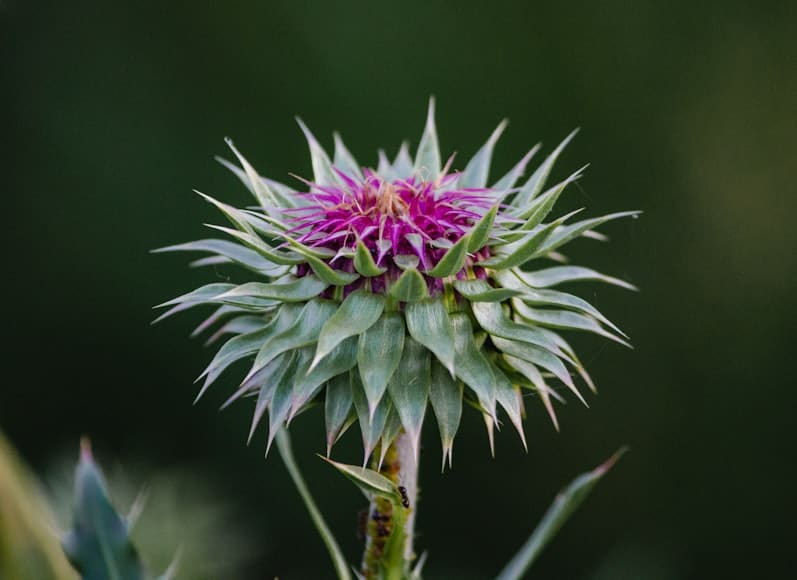 Milk Thistle (Silybum marianum)
Milk thistle (Silybum marianum, sometimes Carduus marianus) is a tall biennial with spiny, white-veined leaves and purple, thistle-like flower heads. The main constituent of milk thistle extract is silymarin, and milk thistle was historically used for liver disorders and to increase breast milk production. NCCIH says trials in liver diseases, including hepatitis and fatty liver disease, have been conflicting or too limited to reach conclusions.
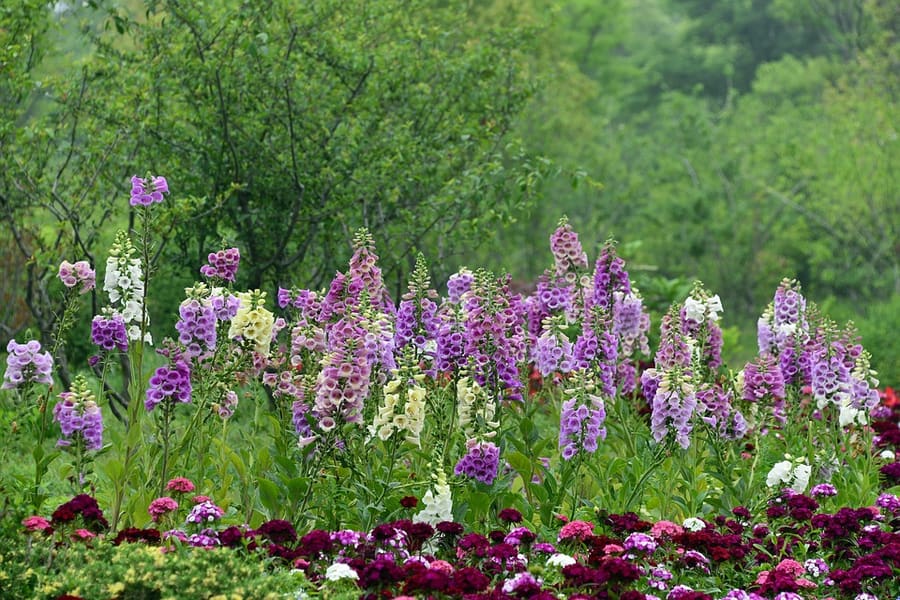 Rehmannia (Rehmannia glutinosa)
Rehmannia (Rehmannia glutinosa) is a perennial growing to about 1-2 ft (30-60 cm), with sticky leaves and purple tubular flowers. It is one of the best-known herbs in Traditional Chinese Medicine, where both the raw and the prepared root are used.
 Schisandra (Schisandra chinensis)
Schisandra (Schisandra chinensis), also known as wu wei zi (“5-flavored herb”), is a woody vine that can grow up to 26 ft (8 m). It has pink blossoms and clusters of bright red berries, which are used in traditional Chinese medicine for liver conditions and as a tonic for vitality. MSK says only a small number of human studies exist and they are too limited to draw conclusions.