
Herb comparison
Neem (Azadirachta indica) vs Tea Tree (Melaleuca alternifolia)
Both plants are listed as traditional remedies for 2 of the same conditions, which is why they are easy to confuse. Their descriptions and full safety notes are below, free.
Tea Tree (Melaleuca alternifolia) is restricted
Preparation amounts are not shown for this herb. It is toxic, restricted, or otherwise unsafe to self-dose - the margin between a traditional dose and a harmful one is too small to publish as reference material. If you are considering it, that conversation belongs with a doctor or a qualified practitioner, not a website.
- About
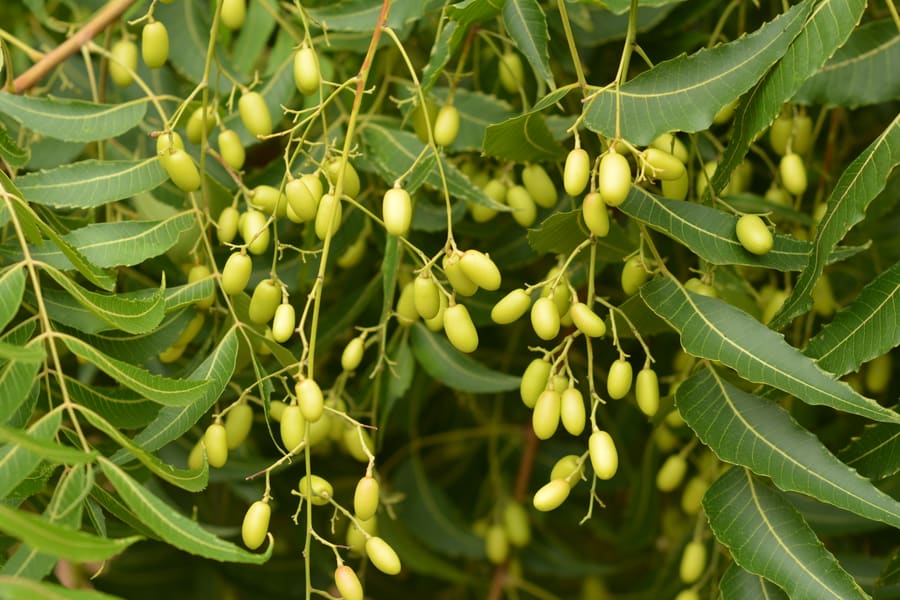
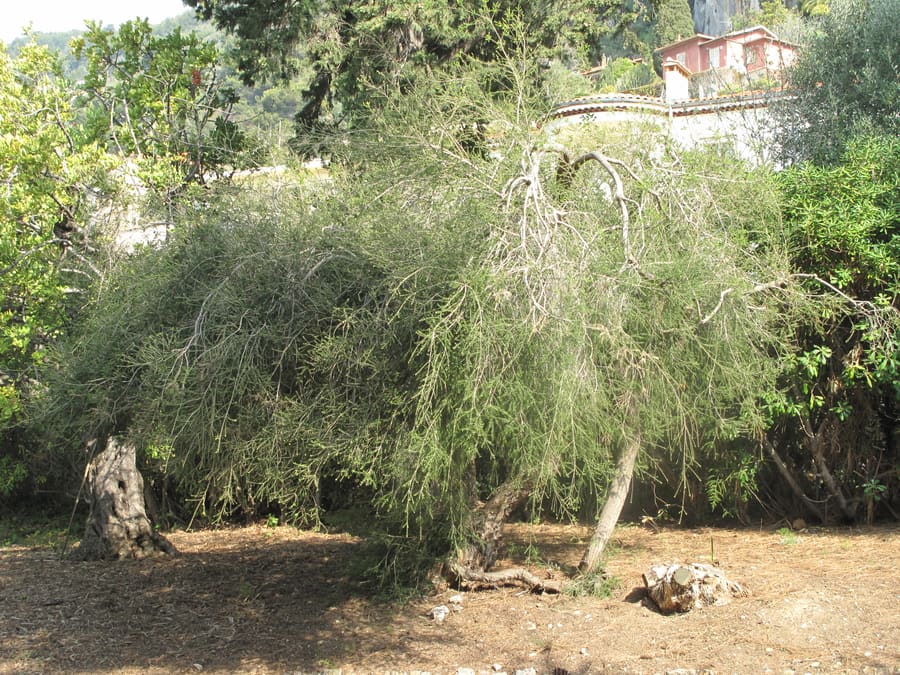
- Neem (Azadirachta indica) is a large evergreen tree with compound leaves and white flowers, known in India as the “village pharmacy”. It is used in traditional and Ayurvedic medicine for skin conditions and stomach ailments; MSK says studies on its safety and effectiveness are lacking.Tea tree (Melaleuca alternifolia) is a small evergreen native to Australia, with papery bark, narrow leaves, and white to cream flower spikes. Its leaves yield a pungent essential oil; the Aboriginal people of Australia traditionally used the leaves for wounds, burns, and insect bites, and NCCIH says a small amount of evidence suggests the oil, applied to the skin, might help acne and athlete’s foot.
- Safety & precautions
- Children & Pregnancy: Avoid internal use. MSK warns that swallowing neem oil has caused severe poisoning in both children and adults. Internal Use: Take internally only under professional supervision. Fertility: Neem can affect both male and female fertility.Essential Oil (Internal Use): Potentially toxic; NCCIH says tea tree oil should not be swallowed. Allergic Reaction: Rare but possible. Dilute before applying topically to sensitive skin.
Safety text above is printed in full and is never abbreviated. For each plant’s complete precautions, drug and food interactions and preparation notes, open its own page - both are free.