
Herb comparison
Calendula (Calendula officinalis) vs Neem (Azadirachta indica)
Both plants are listed as traditional remedies for 2 of the same conditions, which is why they are easy to confuse. Their descriptions and full safety notes are below, free.
- About
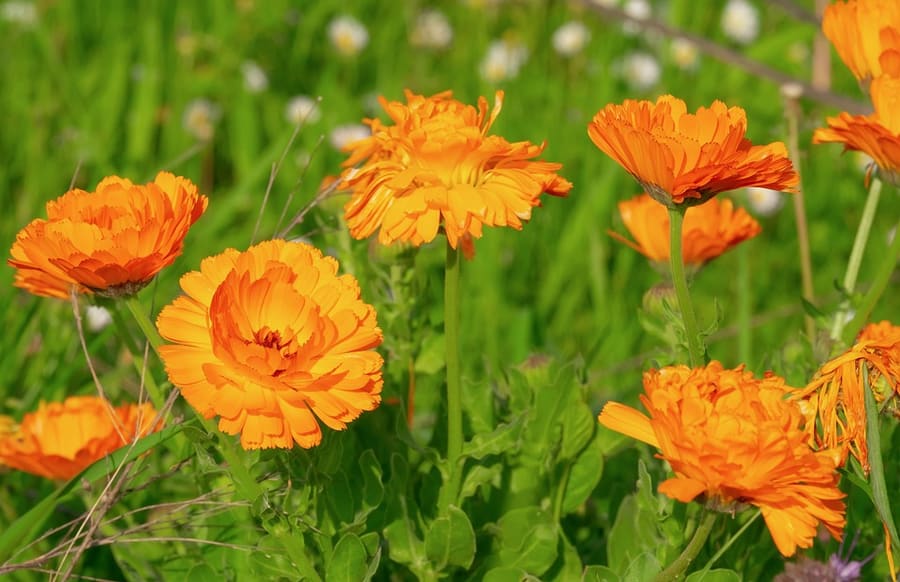
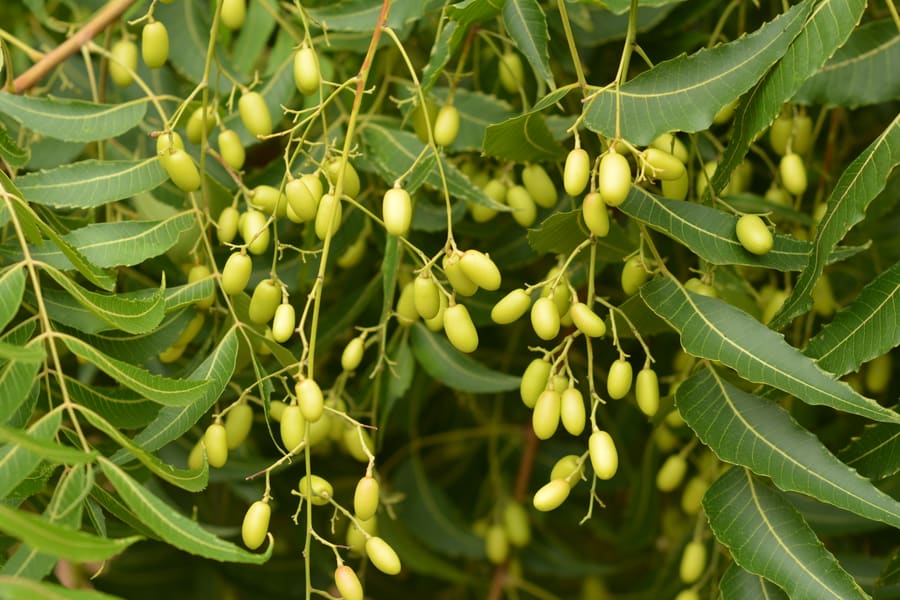
- Calendula (Calendula officinalis) has bright orange daisy-like flowers.Neem (Azadirachta indica) is a large evergreen tree with compound leaves and white flowers, known in India as the “village pharmacy”. It is used in traditional and Ayurvedic medicine for skin conditions and stomach ailments; MSK says studies on its safety and effectiveness are lacking.
- Safety & precautions
- Internal Use & Pregnancy: Not advised during pregnancy when taken internally. Topical Use: Allergic skin reactions may occur. General Note: Calendula has a mild estrogenic effect and may influence menstruation.Children & Pregnancy: Avoid internal use. MSK warns that swallowing neem oil has caused severe poisoning in both children and adults. Internal Use: Take internally only under professional supervision. Fertility: Neem can affect both male and female fertility.
Safety text above is printed in full and is never abbreviated. For each plant’s complete precautions, drug and food interactions and preparation notes, open its own page - both are free.
Conditions that list both
Related comparisons
- Aloe (Aloe vera) vs Calendula (Calendula officinalis)
- Calendula (Calendula officinalis) vs Psyllium (Plantago ovata)
- Calendula (Calendula officinalis) vs Chinese Rhubarb (Rheum palmatum)
- Calendula (Calendula officinalis) vs Slippery Elm (Ulmus rubra)
- Aloe (Aloe vera) vs Neem (Azadirachta indica)
- Calendula (Calendula officinalis) vs Cleavers (Galium aparine)