
Herb comparison
Calendula (Calendula officinalis) vs Slippery Elm (Ulmus rubra)
Both plants are listed as traditional remedies for 3 of the same conditions, which is why they are easy to confuse. Their descriptions and full safety notes are below, free.
- About
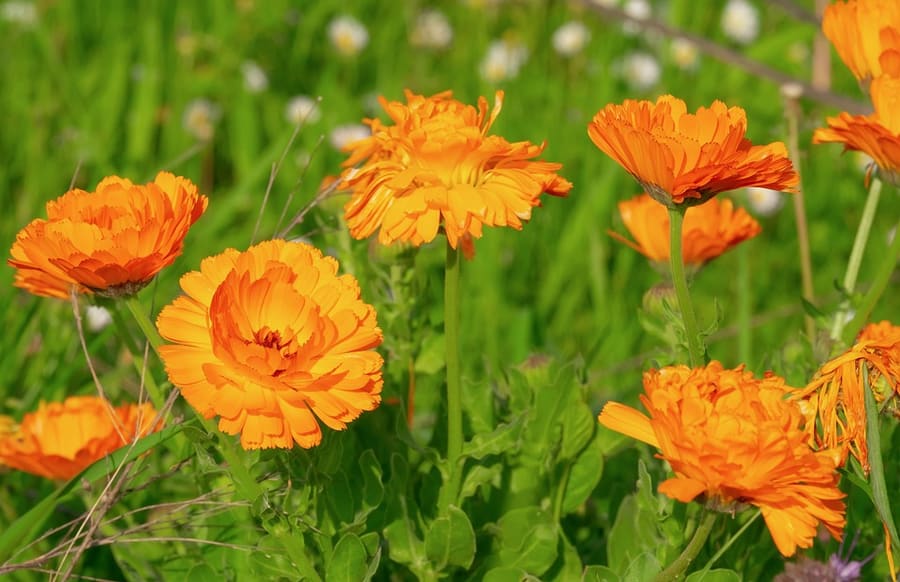
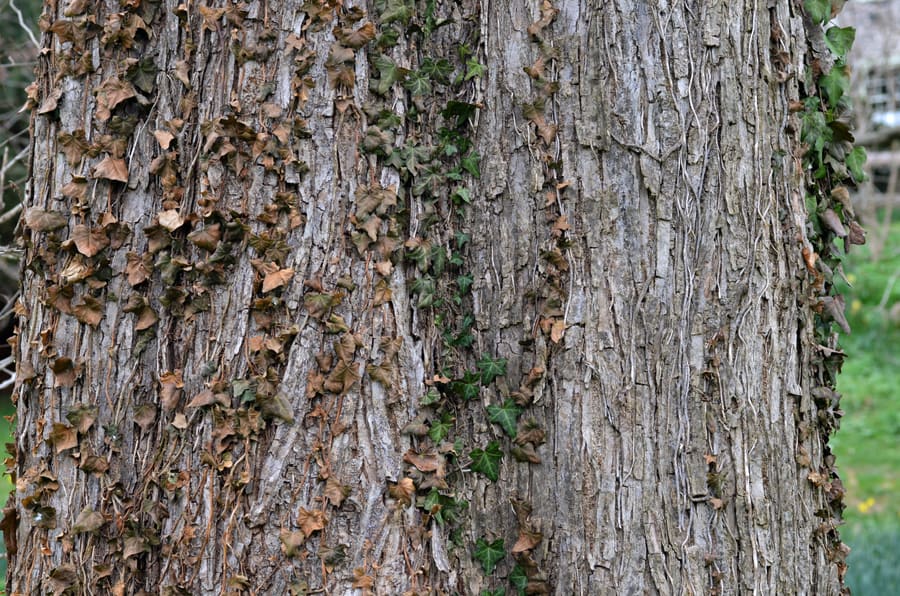
- Calendula (Calendula officinalis) has bright orange daisy-like flowers.Slippery elm (Ulmus rubra) is a large tree native to the eastern U.S. and Canada. The medicinal part is the inner bark, prized for its high mucilage content. When soaked in water, it turns “slippery”; this mucilage is traditionally used to soothe the throat and digestive tract, and MSK says slippery elm may help relieve minor cough or sore throat, but there is no evidence it can treat infections or other serious medical conditions.
- Safety & precautions
- Internal Use & Pregnancy: Not advised during pregnancy when taken internally. Topical Use: Allergic skin reactions may occur. General Note: Calendula has a mild estrogenic effect and may influence menstruation.Sustainability: Slippery elm is at risk from overharvesting; marshmallow root is a more sustainable alternative.
Safety text above is printed in full and is never abbreviated. For each plant’s complete precautions, drug and food interactions and preparation notes, open its own page - both are free.
Conditions that list both
Related comparisons
- Psyllium (Plantago ovata) vs Slippery Elm (Ulmus rubra)
- Aloe (Aloe vera) vs Calendula (Calendula officinalis)
- Calendula (Calendula officinalis) vs Psyllium (Plantago ovata)
- Calendula (Calendula officinalis) vs Chinese Rhubarb (Rheum palmatum)
- Calendula (Calendula officinalis) vs Cleavers (Galium aparine)
- Calendula (Calendula officinalis) vs Licorice