
Herb comparison
Cranberry (Vaccinium macrocarpon) vs Juniper (Juniperus communis)
Both plants are listed as traditional remedies for 1 of the same condition, which is why they are easy to confuse. Their descriptions and full safety notes are below, free.
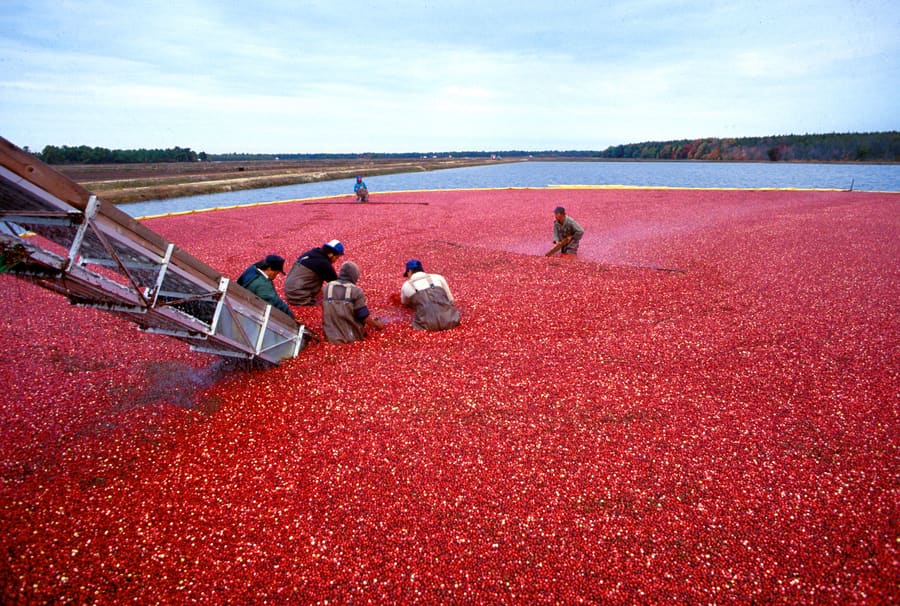
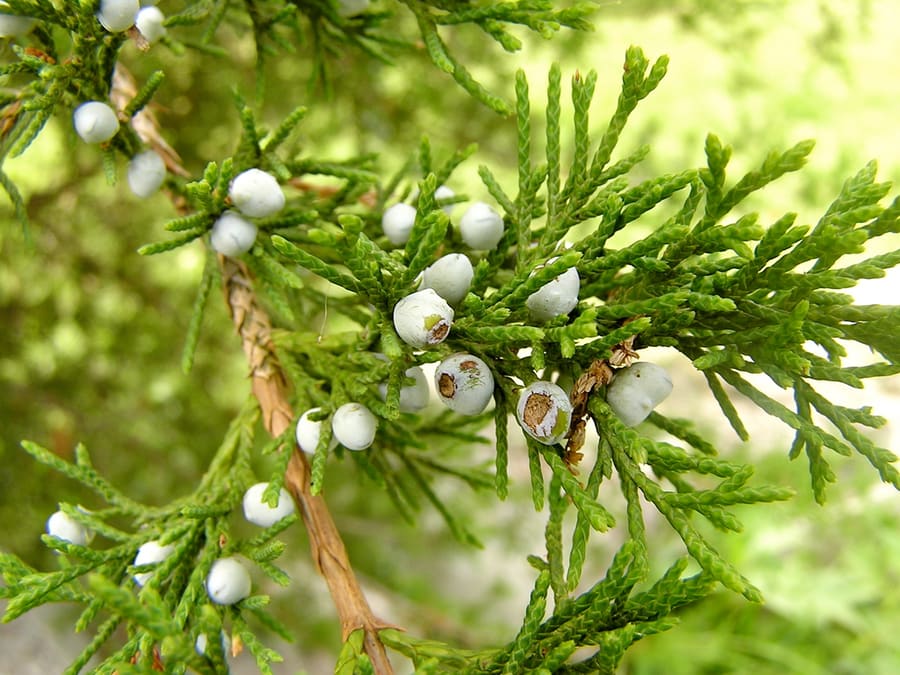
- About
- Cranberry (Vaccinium macrocarpon) is a small, low-lying evergreen shrub with dark green leaves, pink flowers, and bright red berries. Cranberries contain proanthocyanidins, which NCCIH says are thought to keep bacteria from sticking to the bladder wall. Cranberry juice or extracts are widely used to try to prevent urinary tract infections (UTIs); NCCIH says they may lower the risk of repeat UTIs in some women but are not recommended as a treatment for an existing UTI. MSK notes that the fruit and juice are rich in vitamin C.Juniper (Juniperus communis) is a coniferous shrub or small tree that may reach about 49 ft (15 m). It bears needle-like leaves, male and female flowers, and spherical blue-black “berries” (actually seed cones) rich in potent volatile oils. Juniper berries have been used for centuries as a flavoring, notably in gin.
- Safety & precautions
- Kidney Disease: Seek professional advice if you have existing kidney issues, as cranberry’s acidity may be problematic in certain cases.Pregnancy & Heavy Menstrual Bleeding: Juniper can stimulate uterine activity and increase bleeding. Kidney Disease: Avoid if dealing with kidney infections or chronic kidney conditions. Essential Oil: Potentially toxic if taken internally without professional supervision.
Safety text above is printed in full and is never abbreviated. For each plant’s complete precautions, drug and food interactions and preparation notes, open its own page - both are free.