
Herb comparison
Buchu (Barosma betulina) vs Cranberry (Vaccinium macrocarpon)
Both plants are listed as traditional remedies for 2 of the same conditions, which is why they are easy to confuse. Their descriptions and full safety notes are below, free.
- About
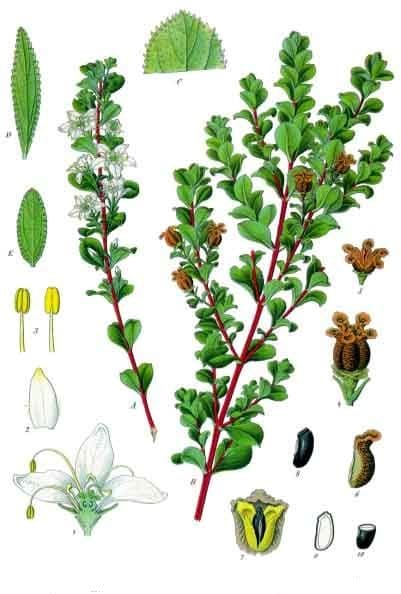
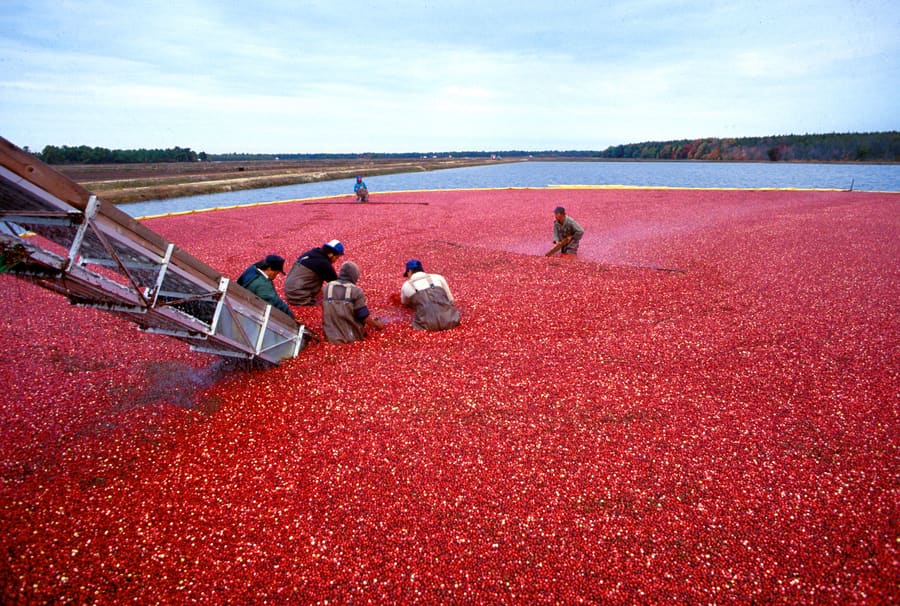
- Buchu is a strongly aromatic, bushy shrub reaching about 6½ ft (2 m), with slightly leathery, dotted leaves that release a distinctive scent.Cranberry (Vaccinium macrocarpon) is a small, low-lying evergreen shrub with dark green leaves, pink flowers, and bright red berries. Cranberries contain proanthocyanidins, which NCCIH says are thought to keep bacteria from sticking to the bladder wall. Cranberry juice or extracts are widely used to try to prevent urinary tract infections (UTIs); NCCIH says they may lower the risk of repeat UTIs in some women but are not recommended as a treatment for an existing UTI. MSK notes that the fruit and juice are rich in vitamin C.
- Safety & precautions
- Dryness & Acute Inflammation: Not recommended if dryness predominates or if there is active, acute inflammation of the urinary tract. Children Under Two: Generally contraindicated for very young children. Pregnancy: Because buchu contains pulegone (a uterine stimulant), it should be avoided during pregnancy unless advised by a qualified healthcare practitioner. High Dosages: Potentially toxic in excessive amounts.Kidney Disease: Seek professional advice if you have existing kidney issues, as cranberry’s acidity may be problematic in certain cases.
Safety text above is printed in full and is never abbreviated. For each plant’s complete precautions, drug and food interactions and preparation notes, open its own page - both are free.
Conditions that list both
Related comparisons
- Buchu (Barosma betulina) vs Uva Ursi (Arctostaphylos uva-ursi)
- Buchu (Barosma betulina) vs Couch Grass (Elymus repens)
- Cranberry (Vaccinium macrocarpon) vs Uva Ursi (Arctostaphylos uva-ursi)
- Agrimony (agrimonia eupatoria) vs Buchu (Barosma betulina)
- Buchu (Barosma betulina) vs Juniper (Juniperus communis)
- Buchu (Barosma betulina) vs Tribulus (Tribulus terrestris)