
Herb comparison
Buchu (Barosma betulina) vs Couch Grass (Elymus repens)
Both plants are listed as traditional remedies for 2 of the same conditions, which is why they are easy to confuse. Their descriptions and full safety notes are below, free.
- About
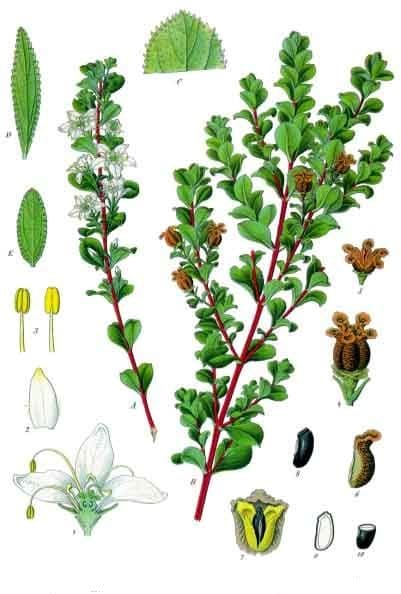
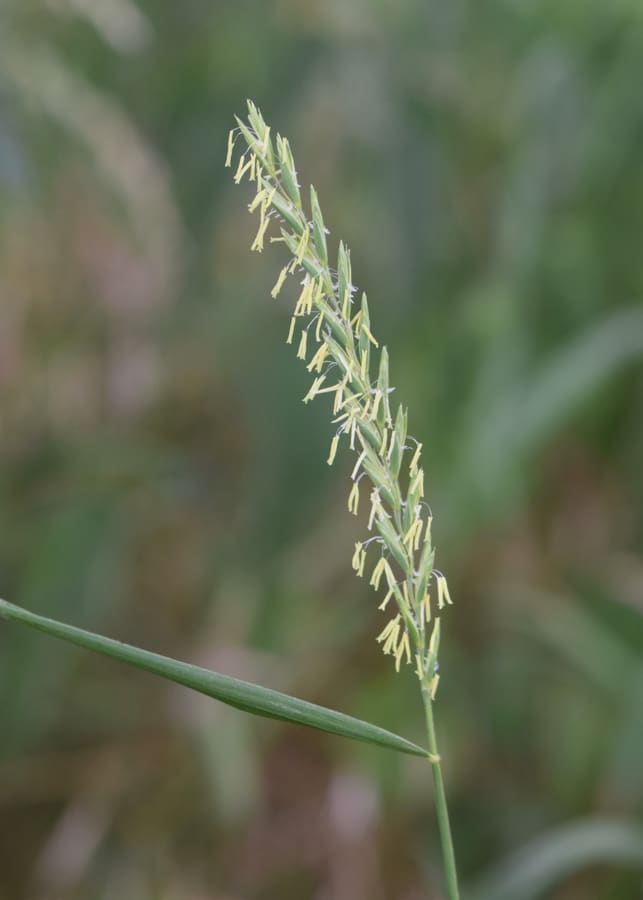
- Buchu is a strongly aromatic, bushy shrub reaching about 6½ ft (2 m), with slightly leathery, dotted leaves that release a distinctive scent.Couch grass is a vigorous perennial growing to 32 inches with a long, creeping rhizome, slender leaves, and erect spikes bearing green flowers aligned in two rows. Found in Europe, the Americas, northern Asia, and Australia, it is an invasive weed harvested throughout the year. In times of famine, the root was roasted and ground as a substitute for coffee and flour.
- Safety & precautions
- Dryness & Acute Inflammation: Not recommended if dryness predominates or if there is active, acute inflammation of the urinary tract. Children Under Two: Generally contraindicated for very young children. Pregnancy: Because buchu contains pulegone (a uterine stimulant), it should be avoided during pregnancy unless advised by a qualified healthcare practitioner. High Dosages: Potentially toxic in excessive amounts.Ask a qualified professional before medicinal use.
Safety text above is printed in full and is never abbreviated. For each plant’s complete precautions, drug and food interactions and preparation notes, open its own page - both are free.
Conditions that list both
Related comparisons
- Couch Grass (Elymus repens) vs Gravel Root (Eupatorium purpureum)
- Buchu (Barosma betulina) vs Uva Ursi (Arctostaphylos uva-ursi)
- Couch Grass (Elymus repens) vs Goldenrod (Solidago virgaurea)
- Couch Grass (Elymus repens) vs Marshmallow (Althaea officinalis)
- Couch Grass (Elymus repens) vs Pau d'Arco (Tabebuia impetiginosa)
- Buchu (Barosma betulina) vs Cranberry (Vaccinium macrocarpon)