
Herb comparison
Couch Grass (Elymus repens) vs Pau d'Arco (Tabebuia impetiginosa)
Both plants are listed as traditional remedies for 3 of the same conditions, which is why they are easy to confuse. Their descriptions and full safety notes are below, free.
- About
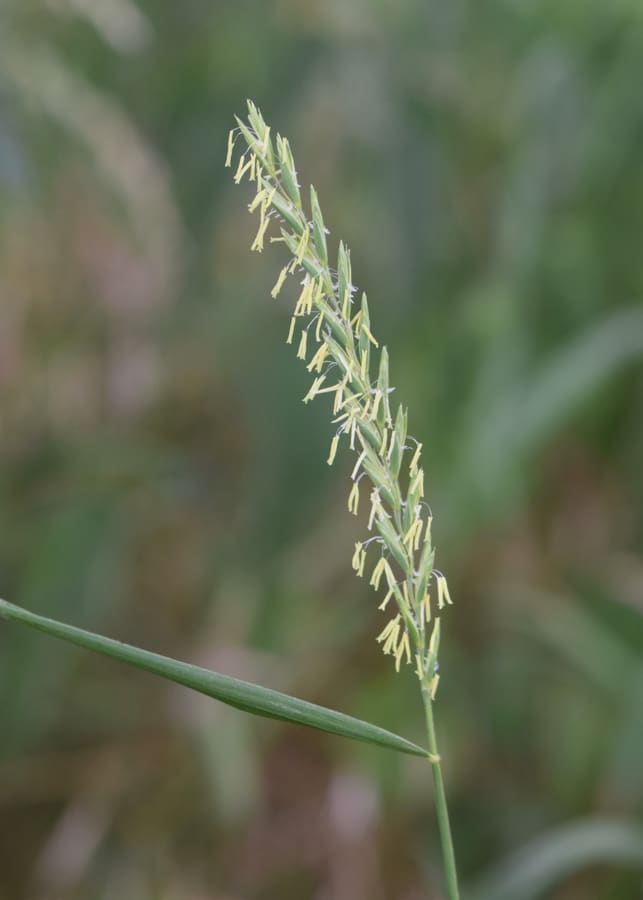
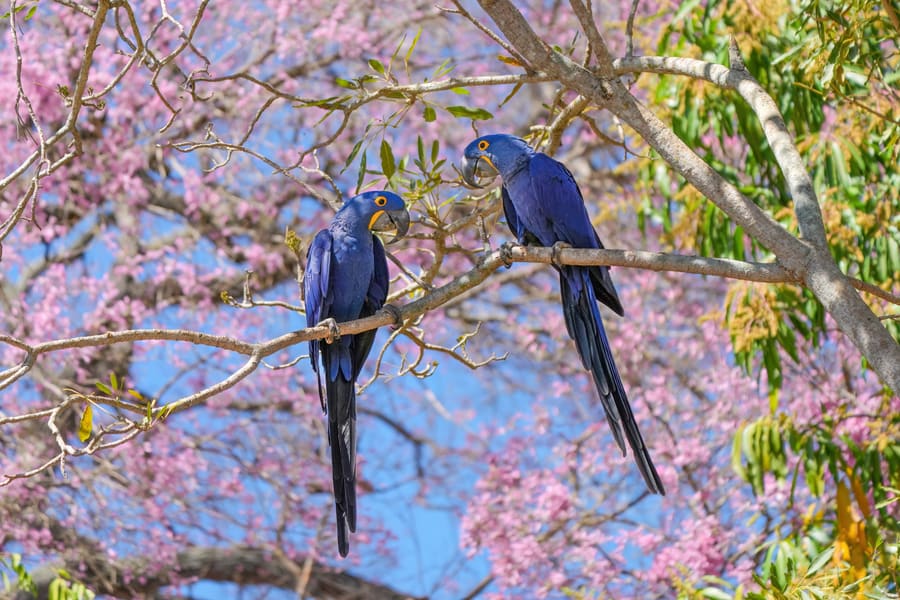
- Couch grass is a vigorous perennial growing to 32 inches with a long, creeping rhizome, slender leaves, and erect spikes bearing green flowers aligned in two rows. Found in Europe, the Americas, northern Asia, and Australia, it is an invasive weed harvested throughout the year. In times of famine, the root was roasted and ground as a substitute for coffee and flour.Pau d'arco is an evergreen tree that can reach 100 feet in height, producing pink flowers. The bark of this South American tree is used as a tea in traditional medicine for a wide range of ailments; MSK says its antibacterial and anticancer effects in laboratory studies have not been shown in humans. The tree grows in both mountainous terrains high in the Andes and in low-lying areas of Paraguay and Brazil. The prized inner bark is collected from wild-growing trees throughout the year.
- Safety & precautions
- Ask a qualified professional before medicinal use.If taking anticoagulant medication, use only under professional supervision. Do not take during pregnancy. Avoid if trying to conceive. High doses may cause nausea, vomiting, intestinal discomfort, and anticoagulant effects. Blood clotting disorders are a contraindication.
Safety text above is printed in full and is never abbreviated. For each plant’s complete precautions, drug and food interactions and preparation notes, open its own page - both are free.
Conditions that list both
Related comparisons
- Couch Grass (Elymus repens) vs Gravel Root (Eupatorium purpureum)
- Couch Grass (Elymus repens) vs Goldenrod (Solidago virgaurea)
- Couch Grass (Elymus repens) vs Marshmallow (Althaea officinalis)
- Andrographis (Andrographis paniculata) vs Pau d'Arco (Tabebuia impetiginosa)
- Buchu (Barosma betulina) vs Couch Grass (Elymus repens)
- Cleavers (Galium aparine) vs Couch Grass (Elymus repens)