
Herb comparison
Couch Grass (Elymus repens) vs Pygeum (Pygeum africanum)
Both plants are listed as traditional remedies for 1 of the same condition, which is why they are easy to confuse. Their descriptions and full safety notes are below, free.
- About
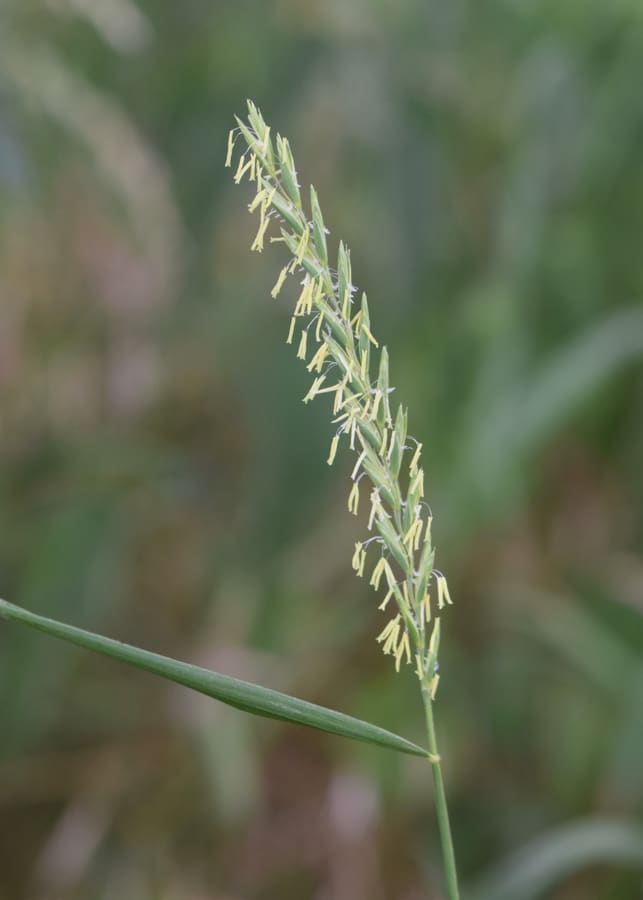
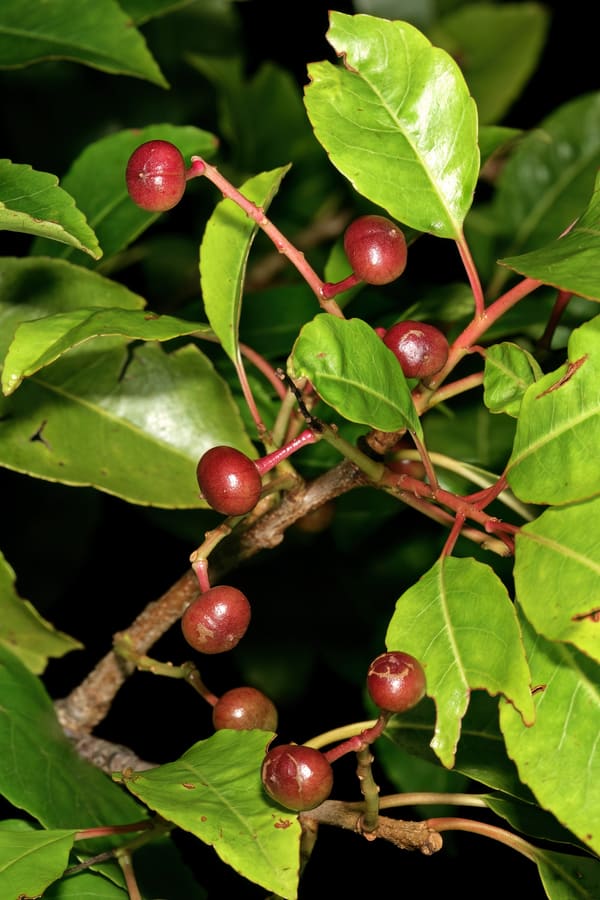
- Couch grass is a vigorous perennial growing to 32 inches with a long, creeping rhizome, slender leaves, and erect spikes bearing green flowers aligned in two rows. Found in Europe, the Americas, northern Asia, and Australia, it is an invasive weed harvested throughout the year. In times of famine, the root was roasted and ground as a substitute for coffee and flour.Pygeum (Pygeum africanum) is an evergreen tree growing up to about 115 ft (35 m), with oblong leaves, white flowers, and red berries. Its bark extract is traditionally used for urinary symptoms of benign prostatic hyperplasia (BPH); MSK says several small clinical trials suggest benefit, but long-term effectiveness and safety are not known.
- Safety & precautions
- Ask a qualified professional before medicinal use.Professional Supervision: Typically recommended if you have an existing medical condition or are on other medications.
Safety text above is printed in full and is never abbreviated. For each plant’s complete precautions, drug and food interactions and preparation notes, open its own page - both are free.
Conditions that list both
Related comparisons
- Couch Grass (Elymus repens) vs Gravel Root (Eupatorium purpureum)
- Couch Grass (Elymus repens) vs Goldenrod (Solidago virgaurea)
- Couch Grass (Elymus repens) vs Marshmallow (Althaea officinalis)
- Couch Grass (Elymus repens) vs Pau d'Arco (Tabebuia impetiginosa)
- Buchu (Barosma betulina) vs Couch Grass (Elymus repens)
- Cleavers (Galium aparine) vs Couch Grass (Elymus repens)