
Herb comparison
Codonopsis (Codonopsis pilosula) vs Evening Primrose (Oenothera biennis)
Both plants are listed as traditional remedies for 2 of the same conditions, which is why they are easy to confuse. Their descriptions and full safety notes are below, free.
- About
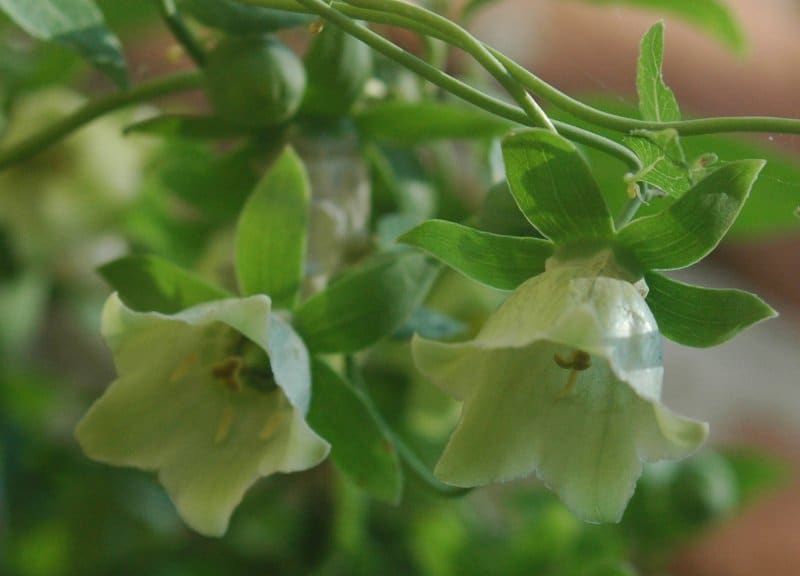
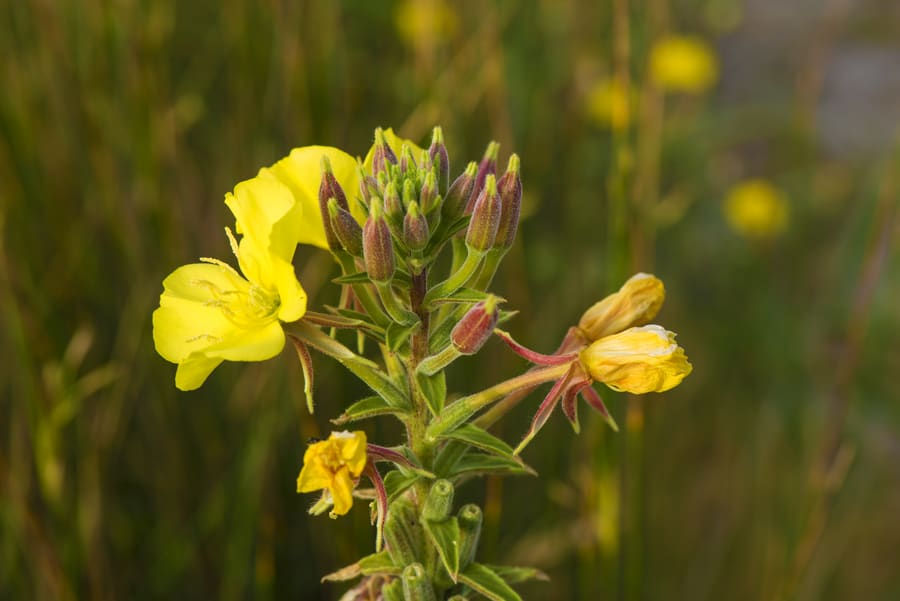
- Codonopsis is a small twining perennial growing to 5 feet with oval leaves and pendulous green and purple bell-shaped flowers marked with purple in summer. Native to northeastern China and growing throughout the region, especially in the Shanxi and Szechuan provinces, it is propagated from seed in spring or autumn, and the root is harvested in autumn once the aerial parts have died down. Codonopsis holds a central place in Chinese herbal medicine.Biennial herb growing to 8 in (20 cm). Has red blotches on stem, crinkled lance-shaped leaves, 4-petaled yellow flowers, and elongated seed capsules.
- Safety & precautions
- Ask a qualified professional before medicinal use.Do not take evening primrose oil if suffering from epilepsy.
Safety text above is printed in full and is never abbreviated. For each plant’s complete precautions, drug and food interactions and preparation notes, open its own page - both are free.
Conditions that list both
Related comparisons
- Bacopa (Bacopa monnieri) vs Codonopsis (Codonopsis pilosula)
- Black Pepper (Piper nigrum) vs Codonopsis (Codonopsis pilosula)
- Black Pepper (Piper nigrum) vs Evening Primrose (Oenothera biennis)
- Cardamom (Eletteria cardamomum) vs Codonopsis (Codonopsis pilosula)
- Codonopsis (Codonopsis pilosula) vs Hibiscus (Hibiscus sabdariffa)
- Codonopsis (Codonopsis pilosula) vs Motherwort (Leonurus cardiaca)