
Herb comparison
Bacopa (Bacopa monnieri) vs Codonopsis (Codonopsis pilosula)
Both plants are listed as traditional remedies for 2 of the same conditions, which is why they are easy to confuse. Their descriptions and full safety notes are below, free.
- About
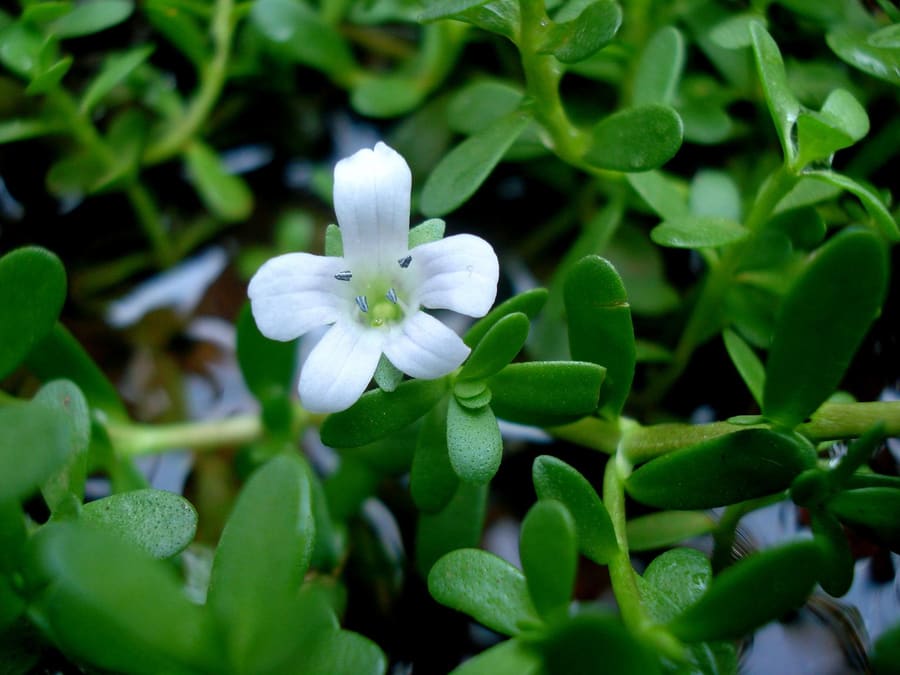
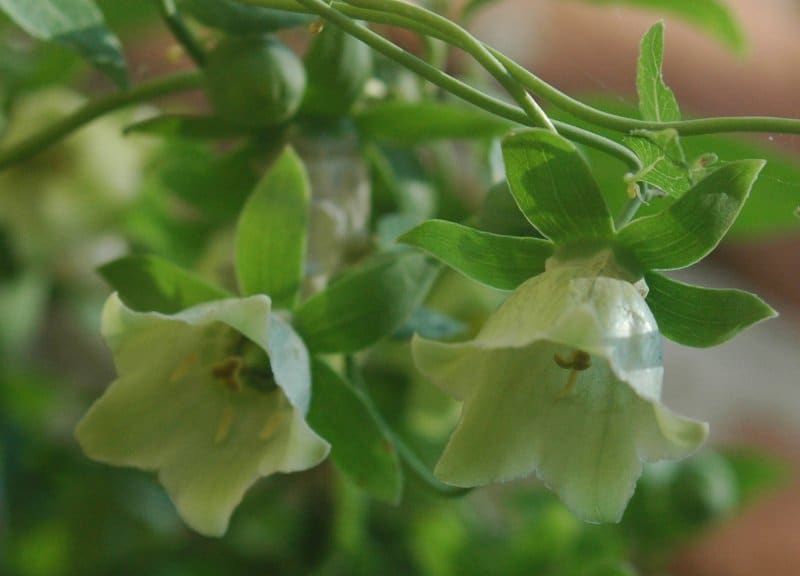
- Bacopa, also known as Water Hyssop or Brahmi, is a creeping succulent perennial that can grow to about 20 inches. It features spatula-shaped fleshy leaves and pale blue or white flowers on slender stalks. It thrives in marshlands and along the edges of mangrove swamps in warmer temperate and tropical climates, especially southern Asia, where it forms dense mats on mudflats.Codonopsis is a small twining perennial growing to 5 feet with oval leaves and pendulous green and purple bell-shaped flowers marked with purple in summer. Native to northeastern China and growing throughout the region, especially in the Shanxi and Szechuan provinces, it is propagated from seed in spring or autumn, and the root is harvested in autumn once the aerial parts have died down. Codonopsis holds a central place in Chinese herbal medicine.
- Safety & precautions
- Not recommended for individuals with hyperthyroidism, as bacopa may influence thyroid function. Ask a pharmacist before combining it with any prescription medicine. Avoid during pregnancy and lactation unless under professional guidance.Ask a qualified professional before medicinal use.
Safety text above is printed in full and is never abbreviated. For each plant’s complete precautions, drug and food interactions and preparation notes, open its own page - both are free.
Conditions that list both
Related comparisons
- Ashwagandha (Withania somnifera) vs Bacopa (Bacopa monnieri)
- Bacopa (Bacopa monnieri) vs Black Pepper (Piper nigrum)
- Bacopa (Bacopa monnieri) vs California Poppy (Eschscholzia californica)
- Bacopa (Bacopa monnieri) vs Coltsfoot (Tussilago farfara)
- Bacopa (Bacopa monnieri) vs Irish Moss (Chondrus crispus)
- Bacopa (Bacopa monnieri) vs Jasmine (Jasminum grandiflorum)