Herb comparison
Cinnamon (Cinnamomum verum) vs Dong Quai (Angelica sinensis)
Both plants are listed as traditional remedies for 1 of the same condition, which is why they are easy to confuse. Their descriptions and full safety notes are below, free.

- About
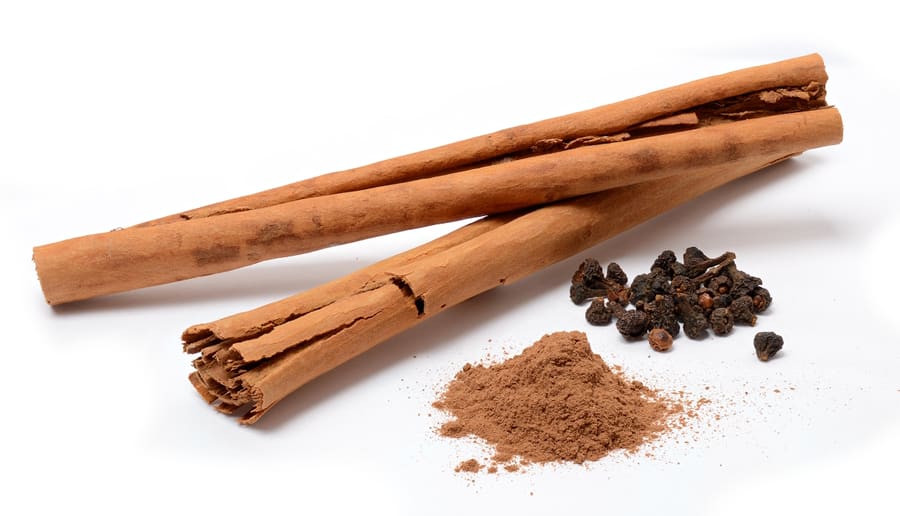
- Cinnamon (Cinnamomum verum or C. zeylanicum) is a small evergreen tree, prized for its fragrant, sweet-spicy bark. Cinnamon has a long history of use in traditional medicine in China, India and Persia, where it was thought to help inflammation, nerve pain, heart disease and cough (NCCIH). NCCIH says research doesn't clearly support cinnamon for any health condition, and it is unclear whether it helps diabetes.Dong quai (Angelica sinensis) is a stout, upright perennial growing to about 6½ ft (2 m), often described as the “women’s ginseng” in China. In Traditional Chinese Medicine (TCM) it is a key women’s herb, taken for menstrual and menopausal symptoms; MSK says findings on whether it helps menopausal symptoms are inconclusive. The rhizome has a strong, sweet, pungent aroma and is frequently used in cooking.
- Safety & precautions
- Essential Oil: Highly concentrated, can be toxic, and is not advisable for internal use. Pregnancy & Breastfeeding: Cinnamon bark and oil (beyond normal food amounts) are generally avoided. Excess Doses: NCCIH notes that larger amounts or long-term use of cinnamon are sometimes linked to gastrointestinal problems or allergic reactions, and large amounts may lower blood sugar excessively. Allergy: Occasionally causes allergic reactions.Pregnancy & Heavy Menstrual Flow: Not recommended, as it can stimulate uterine activity and increase bleeding. Blood Thinners: May have an anticoagulant effect; consult a professional if you are on blood-thinning medications.
Safety text above is printed in full and is never abbreviated. For each plant’s complete precautions, drug and food interactions and preparation notes, open its own page - both are free.