
Herb comparison
Cayenne (Capsicum annuum) vs Dong Quai (Angelica sinensis)
Both plants are listed as traditional remedies for 1 of the same condition, which is why they are easy to confuse. Their descriptions and full safety notes are below, free.

- About
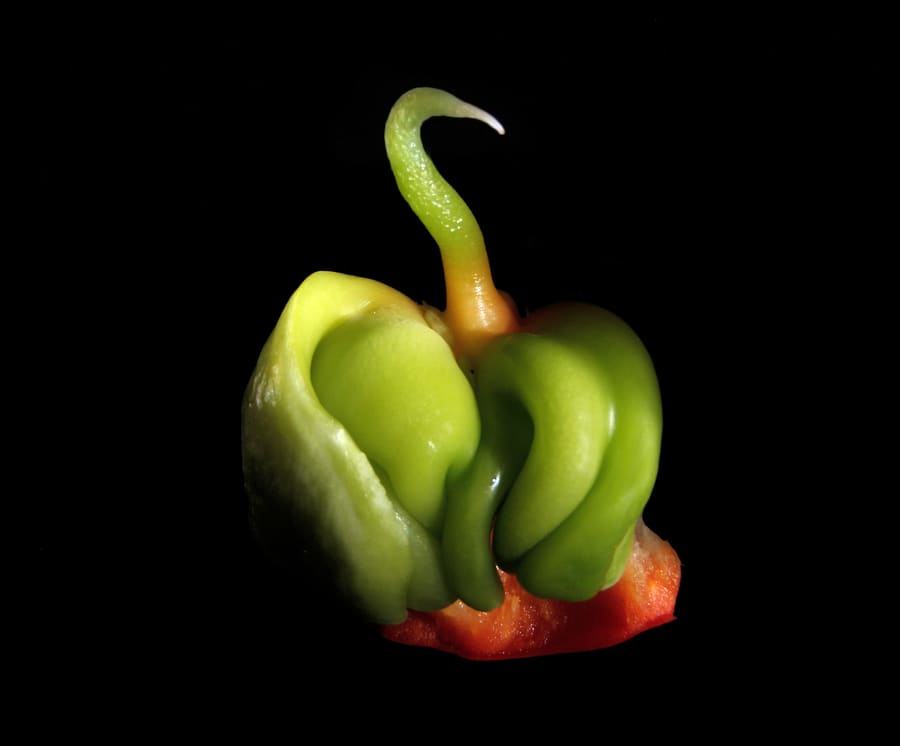
- Cayenne (Capsicum frutescens) is a tropical pepper known for its hot, pungent taste.Dong quai (Angelica sinensis) is a stout, upright perennial growing to about 6½ ft (2 m), often described as the “women’s ginseng” in China. In Traditional Chinese Medicine (TCM) it is a key women’s herb, taken for menstrual and menopausal symptoms; MSK says findings on whether it helps menopausal symptoms are inconclusive. The rhizome has a strong, sweet, pungent aroma and is frequently used in cooking.
- Safety & precautions
- Irritating Nature: Large doses can irritate the stomach, intestines, and skin, leading to painful bowel movements or a burning sensation. Topical Use: Contact with eyes, sinuses, or other sensitive areas can be extremely painful; use caution. Avoid in Hemorrhoids / Anal Fissures: Can exacerbate discomfort. ACE Inhibitor Cough: May worsen coughs triggered by ACE inhibitor medications.Pregnancy & Heavy Menstrual Flow: Not recommended, as it can stimulate uterine activity and increase bleeding. Blood Thinners: May have an anticoagulant effect; consult a professional if you are on blood-thinning medications.
Safety text above is printed in full and is never abbreviated. For each plant’s complete precautions, drug and food interactions and preparation notes, open its own page - both are free.