
Herb comparison
Chaste Tree (Vitex agnus-castus) vs Chinese Peony / White Peony (Paeonia lactiflora)
Both plants are listed as traditional remedies for 1 of the same condition, which is why they are easy to confuse. Their descriptions and full safety notes are below, free.
- About
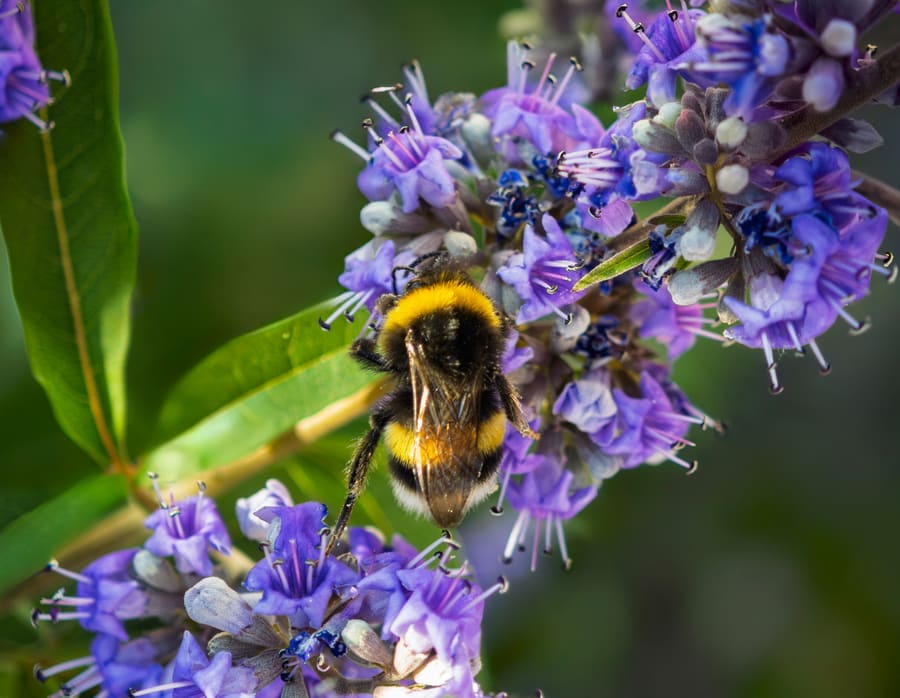
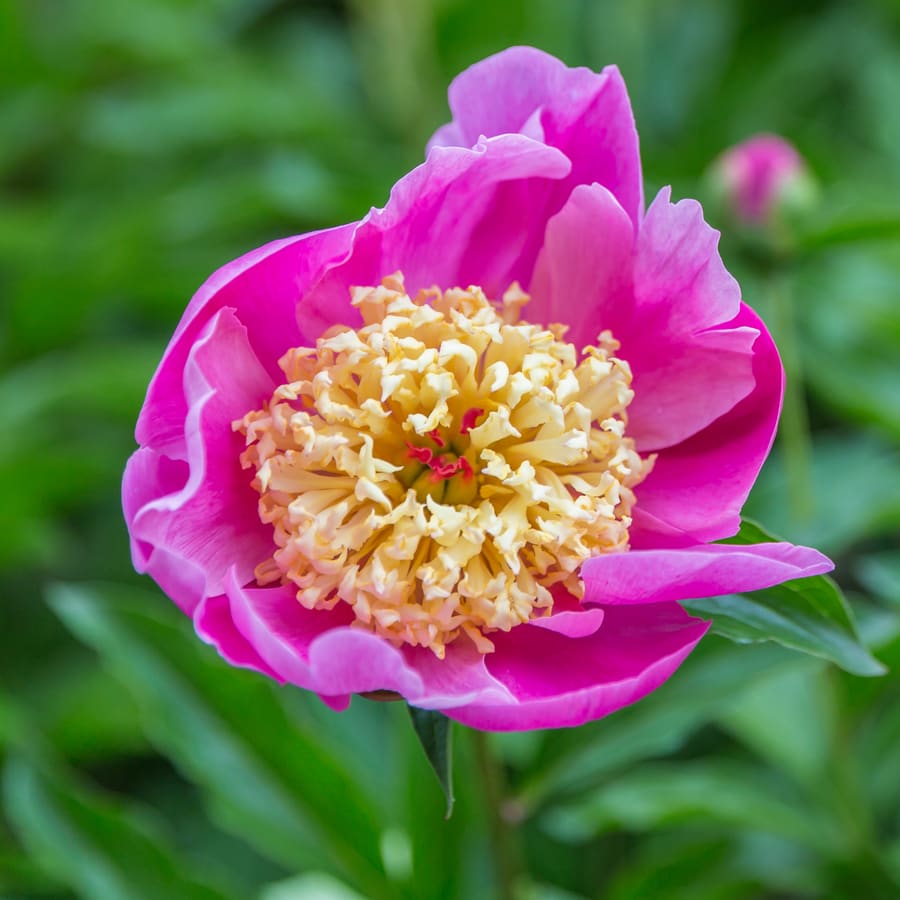
- Chaste tree (Vitex agnus-castus) is a deciduous, aromatic tree growing up to about 23 ft (7 m). Its palm-shaped leaves and spikes of small lilac flowers produce dark, pepper-like berries in the autumn. The name “chasteberry” may reflect a traditional belief that the plant promoted chastity, and NCCIH says monks in the Middle Ages reportedly used it to decrease sexual desire. Chaste tree is commonly used for PMS, menopausal symptoms and infertility. NCCIH says it might ease PMS symptoms such as breast tenderness, but there isn't enough reliable evidence on infertility, and it may be unsafe during pregnancy.White peony is an upright perennial growing to 6.5 feet with large white flowers and divided, dark green leaves. Its history of use in China stretches back at least 1,500 years, and it is one of the herbs in 'Four Things Soup.' The plant is cultivated throughout northeastern China and Inner Mongolia, propagated from seed in spring or from root cuttings in winter. The root of 4- or 5-year-old plants is harvested in spring or autumn.
- Safety & precautions
- Hormonal Interactions: May reduce the effectiveness of hormonal birth control. Pregnancy & Contraception: Not advised during pregnancy or while taking fertility treatments or contraceptive pills without professional guidance. Potential Side Effects: Excessive doses can cause a crawling sensation on the skin (formication), gastrointestinal upset, headache, or dizziness.Do not take during pregnancy. Use under professional guidance for hormonal conditions.
Safety text above is printed in full and is never abbreviated. For each plant’s complete precautions, drug and food interactions and preparation notes, open its own page - both are free.
Conditions that list both
Related comparisons
- Blue Cohosh (Caulophyllum thalictroides) vs Chinese Peony / White Peony (Paeonia lactiflora)
- Bacopa (Bacopa monnieri) vs Chinese Peony / White Peony (Paeonia lactiflora)
- Black Cohosh (Cimicifuga racemosa) vs Chinese Peony / White Peony (Paeonia lactiflora)
- Blue Cohosh (Caulophyllum thalictroides) vs Chaste Tree (Vitex agnus-castus)
- Chinese Peony / White Peony (Paeonia lactiflora) vs Hawthorn (Crataegus oxyacantha)
- Chinese Peony / White Peony (Paeonia lactiflora) vs Hibiscus (Hibiscus sabdariffa)