
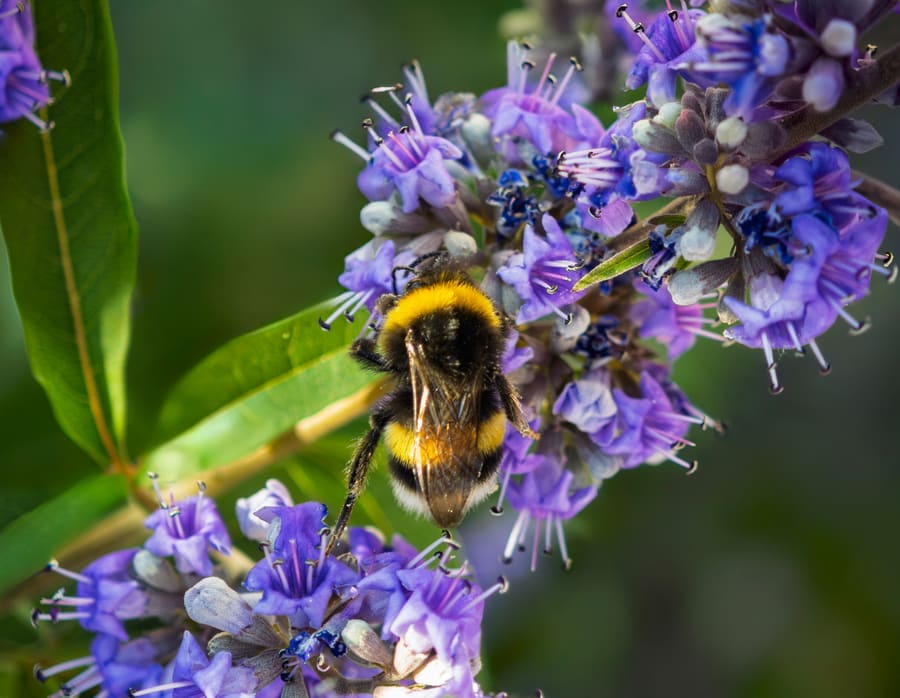
Chaste Tree (Vitex agnus-castus)
Photo: Didier Descouens · CC BY-SA 4.0
- Female Reproductive
- 1 condition
- Licensed photo
Overview
Chaste tree (Vitex agnus-castus) is a deciduous, aromatic tree growing up to about 23 ft (7 m). Its palm-shaped leaves and spikes of small lilac flowers produce dark, pepper-like berries in the autumn. The name “chasteberry” may reflect a traditional belief that the plant promoted chastity, and NCCIH says monks in the Middle Ages reportedly used it to decrease sexual desire. Chaste tree is commonly used for PMS, menopausal symptoms and infertility. NCCIH says it might ease PMS symptoms such as breast tenderness, but there isn't enough reliable evidence on infertility, and it may be unsafe during pregnancy.
Traditional uses & properties
Hormonal Balancing: Traditionally used for gynecological disorders and promoted today for PMS and cycle-related breast pain; NCCIH says studies of low-to-moderate quality suggest it might ease PMS breast pain, but higher-quality evidence is needed.
Safety & precautions
Hormonal Interactions: May reduce the effectiveness of hormonal birth control. Pregnancy & Contraception: Not advised during pregnancy or while taking fertility treatments or contraceptive pills without professional guidance. Potential Side Effects: Excessive doses can cause a crawling sensation on the skin (formication), gastrointestinal upset, headache, or dizziness.
Educational reference only - not medical advice. Herbs can interact with medications. Consult a qualified healthcare provider before use. Full disclaimer.
Drug interactions
A 2005 review found no reported herb-drug interactions but advised caution with drugs that act on dopamine. Most other concerns come from preclinical work. [1, 2]
- Drugs that act on dopamine (antipsychotics, Parkinson's medicines)
- The 2005 review urged caution with dopamine agonists and antagonists. MSK notes preclinical studies suggesting chasteberry could interfere with these drugs or add to their side effects; this is unconfirmed in people. [1, 2]
- Birth control pills and hormone therapy
- MSK cites preclinical studies suggesting chasteberry may weaken these treatments. NCCIH also cautions that it may be unsafe for women with cancers that respond to hormones, for example breast, uterine or ovarian cancer. [2, 3]
- Medicines broken down by CYP2C19 or CYP3A4
- MSK reports that chasteberry inhibited these enzymes in laboratory tests. Relevance to people is not established. [2]
How to read this section: each entry is HerbMate's summary of what the cited sources report. Words such as "may", "theoretical" or "in laboratory or animal studies" mean the effect has not been confirmed in people, and "case report" means it was seen in one or a few patients. A medicine that is not listed here has not been shown to be safe with this herb. The numbers in brackets link to the sources at the foot of the page.
Habitat
Native to the Mediterranean and western Asia, chaste tree has naturalized in subtropical regions worldwide. Propagation is usually from seed in spring or autumn, with the ripe berries harvested in autumn. The plant thrives in warm climates and well-drained soil.
Sources
The interaction notes and the statements on this page that name a source were written by HerbMate from these references, which were last checked in October 2026. They are summaries, not medical advice; ask a pharmacist about your own medicines.
Traditionally used for
Each condition shows its first 2 remedies free. Premium opens the full remedy list for every condition - or come back for the free Condition of the Day.
Frequently asked questions
What is Chaste Tree (Vitex agnus-castus) traditionally used for?
Traditional sources describe Chaste Tree (Vitex agnus-castus) as follows: Hormonal Balancing: Traditionally used for gynecological disorders and promoted today for PMS and cycle-related breast pain; NCCIH says studies of low-to-moderate quality suggest it might ease PMS breast pain, but higher-quality evidence is needed.
What safety cautions apply to Chaste Tree (Vitex agnus-castus)?
Hormonal Interactions: May reduce the effectiveness of hormonal birth control. Pregnancy & Contraception: Not advised during pregnancy or while taking fertility treatments or contraceptive pills without professional guidance. Potential Side Effects: Excessive doses can cause a crawling sensation on the skin (formication), gastrointestinal upset, headache, or dizziness.
Related herbs
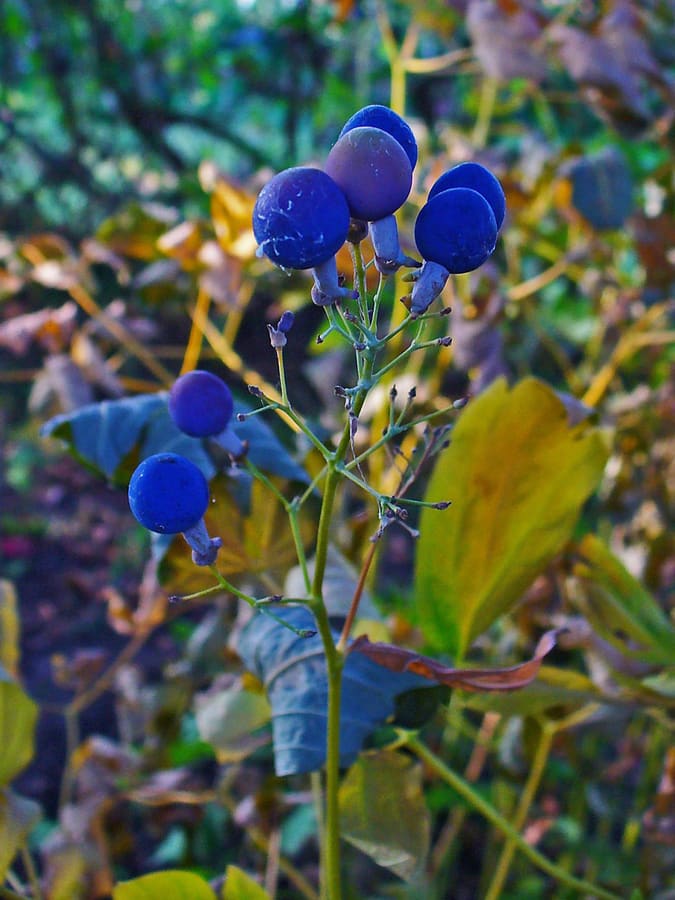 Blue Cohosh (Caulophyllum thalictroides)Not for self-dosing
Blue cohosh is an upright perennial herb reaching 3 feet in height, with large three-lobed leaves, yellow to purple flowers, and striking blue berries. It grows wild in much of eastern North America from Manitoba to Alabama, preferring woodland valleys and damp, north-facing slopes. The name 'cohosh' comes from the Algonquin language, and the plant was a popular remedy among many Native American tribes.
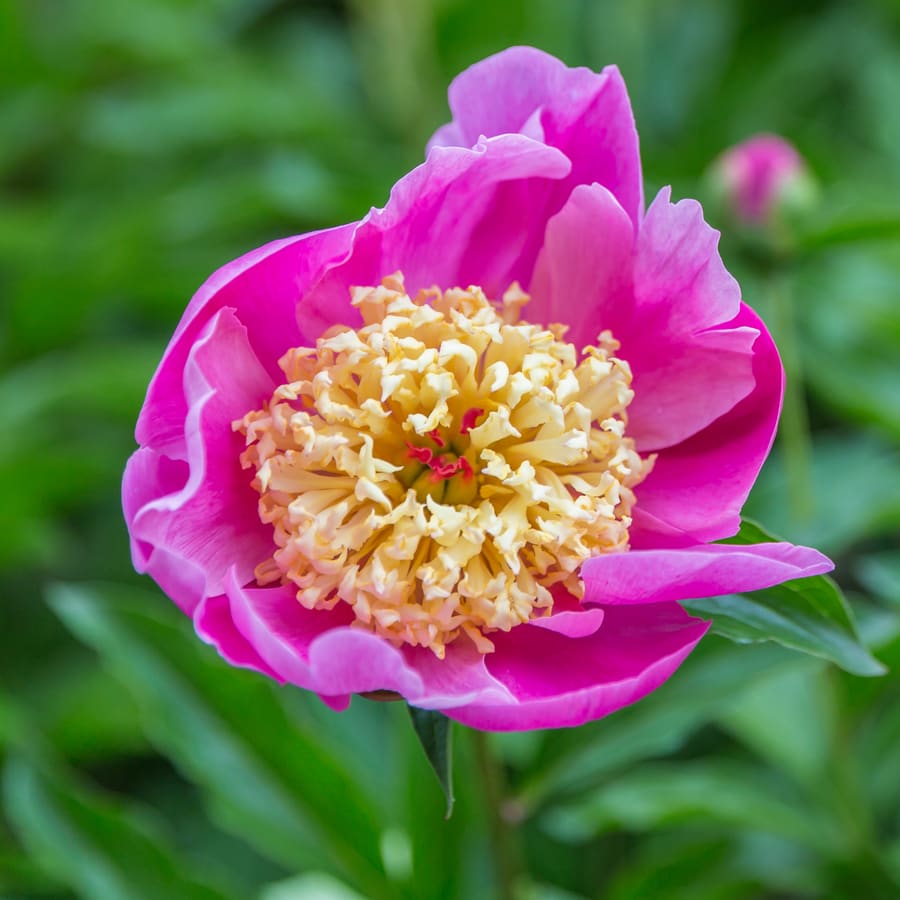 Chinese Peony / White Peony (Paeonia lactiflora)
White peony is an upright perennial growing to 6.5 feet with large white flowers and divided, dark green leaves. Its history of use in China stretches back at least 1,500 years, and it is one of the herbs in 'Four Things Soup.' The plant is cultivated throughout northeastern China and Inner Mongolia, propagated from seed in spring or from root cuttings in winter. The root of 4- or 5-year-old plants is harvested in spring or autumn.