
Herb comparison
Catnip (Nepeta cataria) vs Peppermint (Mentha x piperita)
Both plants are listed as traditional remedies for 2 of the same conditions, which is why they are easy to confuse. Their descriptions and full safety notes are below, free.
- About
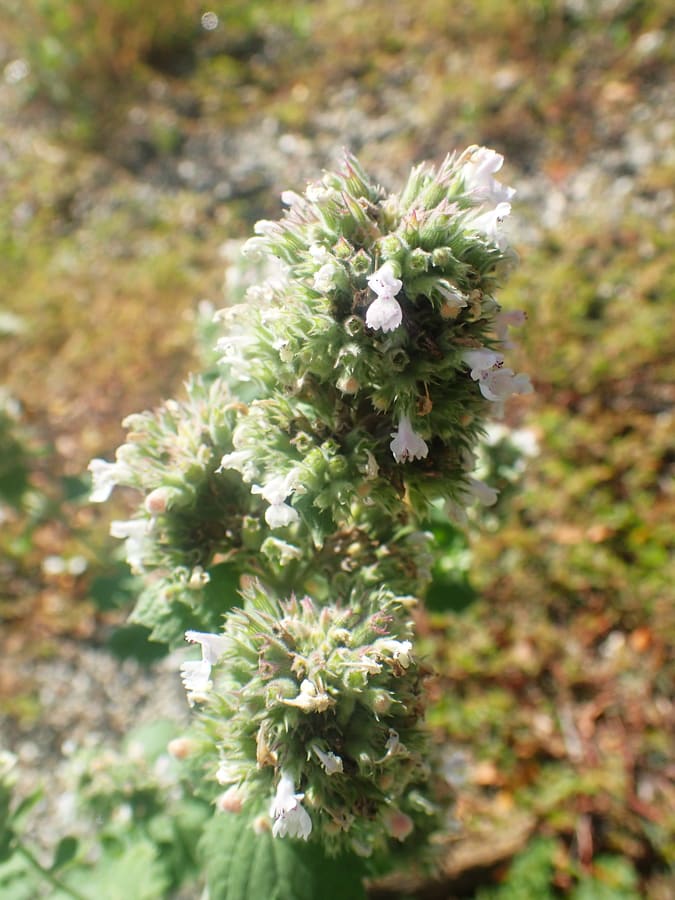
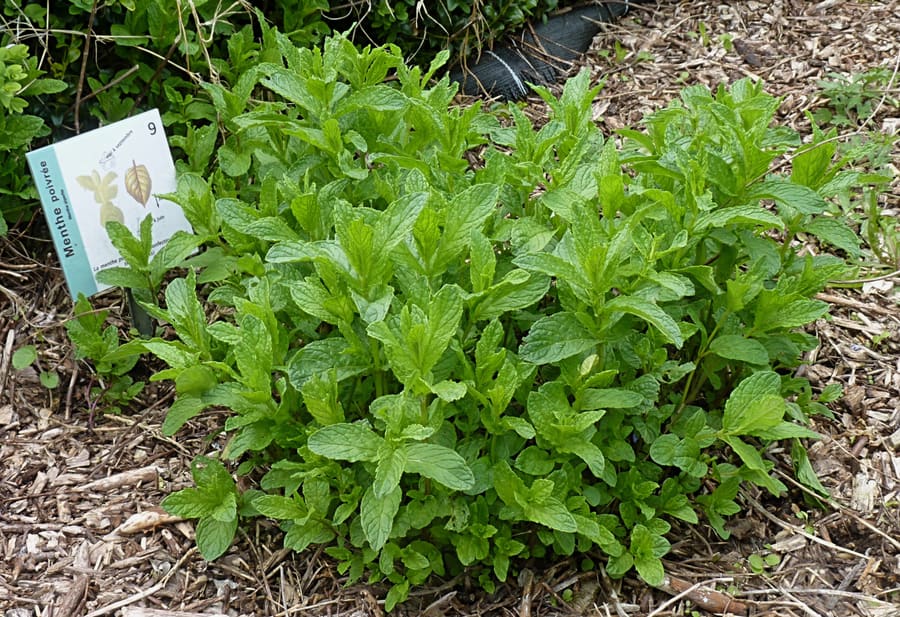
- Catnip is a downy, aromatic perennial growing to 3 feet with heart-shaped, gray-green leaves and whorls of white flowers marked with purple spots. Native to Europe and naturalized in North America, it grows in dry wayside places and mountainous regions up to altitudes of 5,000 feet. The plant is gathered when in flower during summer and autumn. Catnip has an excitatory effect on cats.Peppermint (Mentha × piperita) is a fast-growing, square-stemmed herb (commonly about 32 in / 80 cm tall), with lanceolate, serrated leaves and purplish flowers. A natural hybrid of watermint and spearmint, peppermint is renowned for its cooling, aromatic flavor, and mint plants have been used for digestive disorders since ancient Greece, Rome and Egypt. NCCIH says a small amount of research suggests enteric-coated peppermint oil capsules may improve IBS symptoms in adults, but there is not enough evidence to know whether peppermint leaf helps any condition.
- Safety & precautions
- Large doses can cause vomiting. Ask a qualified professional before giving it to children or babies. Avoid during pregnancy.Children under 5: Avoid giving peppermint tea in strong doses; can irritate sensitive mucous membranes. GERD & Heartburn: May aggravate reflux by relaxing the lower esophageal sphincter. Essential Oil Internally: Use only under professional supervision; not suitable for children under 12.
Safety text above is printed in full and is never abbreviated. For each plant’s complete precautions, drug and food interactions and preparation notes, open its own page - both are free.
Conditions that list both
Related comparisons
- Catnip (Nepeta cataria) vs Linden (Tilia europaea)
- Andrographis (Andrographis paniculata) vs Catnip (Nepeta cataria)
- Caraway (Carum carvi) vs Catnip (Nepeta cataria)
- Caraway (Carum carvi) vs Peppermint (Mentha x piperita)
- Catnip (Nepeta cataria) vs Cinnamon (Cinnamomum verum)
- Catnip (Nepeta cataria) vs Dill (Anethum graveolens)