
Herb comparison
Catnip (Nepeta cataria) vs Dill (Anethum graveolens)
Both plants are listed as traditional remedies for 2 of the same conditions, which is why they are easy to confuse. Their descriptions and full safety notes are below, free.
- About
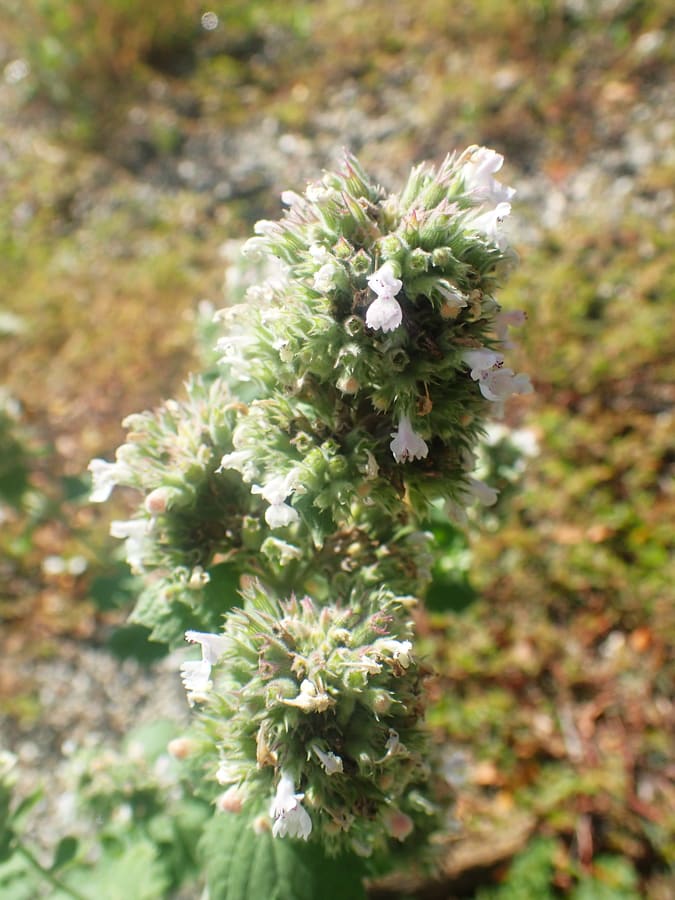
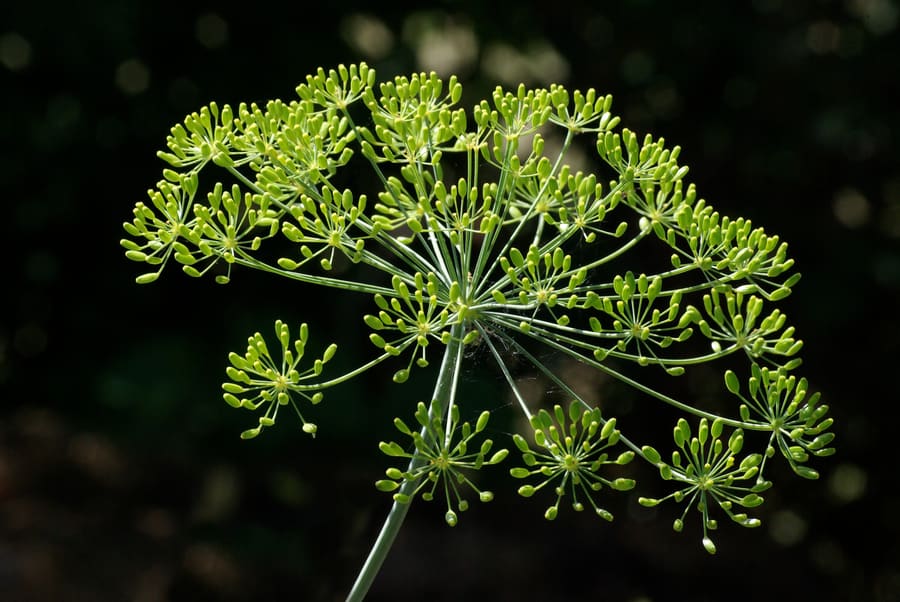
- Catnip is a downy, aromatic perennial growing to 3 feet with heart-shaped, gray-green leaves and whorls of white flowers marked with purple spots. Native to Europe and naturalized in North America, it grows in dry wayside places and mountainous regions up to altitudes of 5,000 feet. The plant is gathered when in flower during summer and autumn. Catnip has an excitatory effect on cats.Dill is an aromatic annual growing to 30 inches with an erect hollow stem, feathery leaves, and numerous yellow flowers in umbels. Its very lightweight, pungent fruit (seeds) are harvested in late summer. Native to southern Europe and central and southern Asia, dill grows wild in open areas and is widely cultivated - notably in England, Germany, and North America. The leaves are picked as a culinary herb. Dill was commonly used as a charm against witchcraft in the Middle Ages, when it was burned to clear thunderclouds. Its name comes from the Norse 'dylla,' meaning 'to soothe.'
- Safety & precautions
- Large doses can cause vomiting. Ask a qualified professional before giving it to children or babies. Avoid during pregnancy.Take the essential oil internally only under professional supervision.
Safety text above is printed in full and is never abbreviated. For each plant’s complete precautions, drug and food interactions and preparation notes, open its own page - both are free.
Conditions that list both
Related comparisons
- Catnip (Nepeta cataria) vs Linden (Tilia europaea)
- Andrographis (Andrographis paniculata) vs Catnip (Nepeta cataria)
- Caraway (Carum carvi) vs Catnip (Nepeta cataria)
- Caraway (Carum carvi) vs Dill (Anethum graveolens)
- Catnip (Nepeta cataria) vs Cinnamon (Cinnamomum verum)
- Catnip (Nepeta cataria) vs Lavender (Lavandula angustifolia)