
Herb comparison
Catnip (Nepeta cataria) vs Lavender (Lavandula angustifolia)
Both plants are listed as traditional remedies for 2 of the same conditions, which is why they are easy to confuse. Their descriptions and full safety notes are below, free.
- About
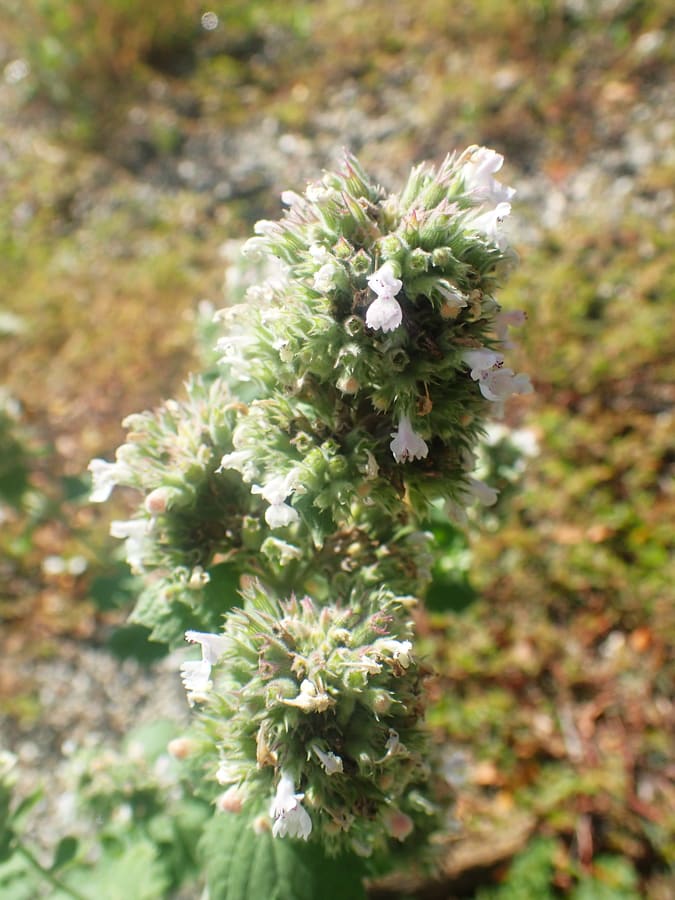
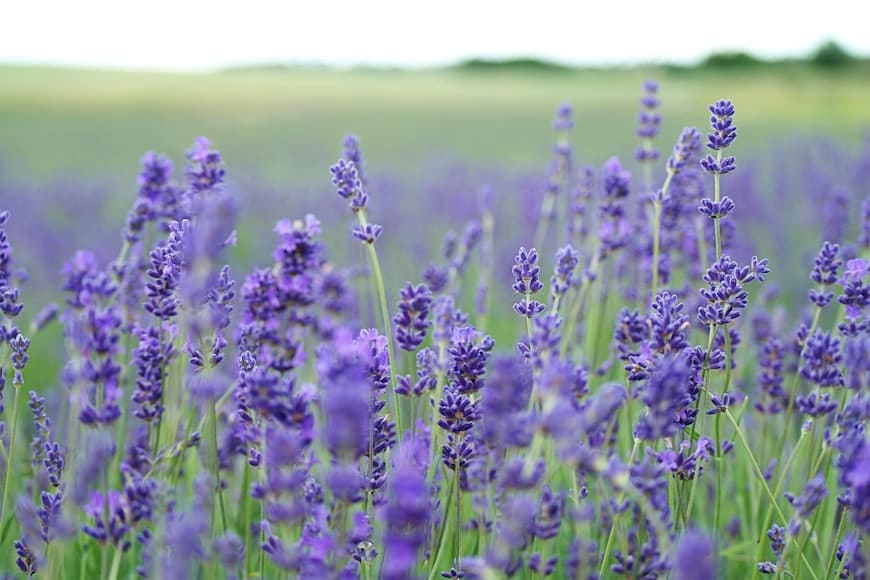
- Catnip is a downy, aromatic perennial growing to 3 feet with heart-shaped, gray-green leaves and whorls of white flowers marked with purple spots. Native to Europe and naturalized in North America, it grows in dry wayside places and mountainous regions up to altitudes of 5,000 feet. The plant is gathered when in flower during summer and autumn. Catnip has an excitatory effect on cats.Lavender (Lavandula officinalis, also known as L. angustifolia) is a small, perennial shrub that can grow about 3 ft (1 m) high, characterized by its narrow, silver-green leaves and spiked violet-blue flowers. Renowned for its sweet aroma, lavender has a long history in traditional medicine for improving mood and sleep, and NCCIH says it is promoted today for calming anxiety and stress. NCCIH says studies suggest an oral lavender oil product might help anxiety, but more high-quality research is needed to reach reliable conclusions.
- Safety & precautions
- Large doses can cause vomiting. Ask a qualified professional before giving it to children or babies. Avoid during pregnancy.Essential Oil (Internal Use): Avoid ingesting without professional guidance. Allergies or Skin Irritation: Possible when applied topically; discontinue if irritation occurs. Children: NCCIH notes a few reports of breast swelling in children who used lavender skin products, although it is unclear whether lavender was the cause. Pregnancy: NCCIH says little is known about whether lavender is safe during pregnancy or breastfeeding, so seek professional advice.
Safety text above is printed in full and is never abbreviated. For each plant’s complete precautions, drug and food interactions and preparation notes, open its own page - both are free.
Conditions that list both
Related comparisons
- Catnip (Nepeta cataria) vs Linden (Tilia europaea)
- Andrographis (Andrographis paniculata) vs Catnip (Nepeta cataria)
- California Poppy (Eschscholzia californica) vs Lavender (Lavandula angustifolia)
- Caraway (Carum carvi) vs Catnip (Nepeta cataria)
- Catnip (Nepeta cataria) vs Cinnamon (Cinnamomum verum)
- Catnip (Nepeta cataria) vs Dill (Anethum graveolens)