
Herb comparison
Catnip (Nepeta cataria) vs Passionflower (Passiflora incarnata)
Both plants are listed as traditional remedies for 2 of the same conditions, which is why they are easy to confuse. Their descriptions and full safety notes are below, free.
- About
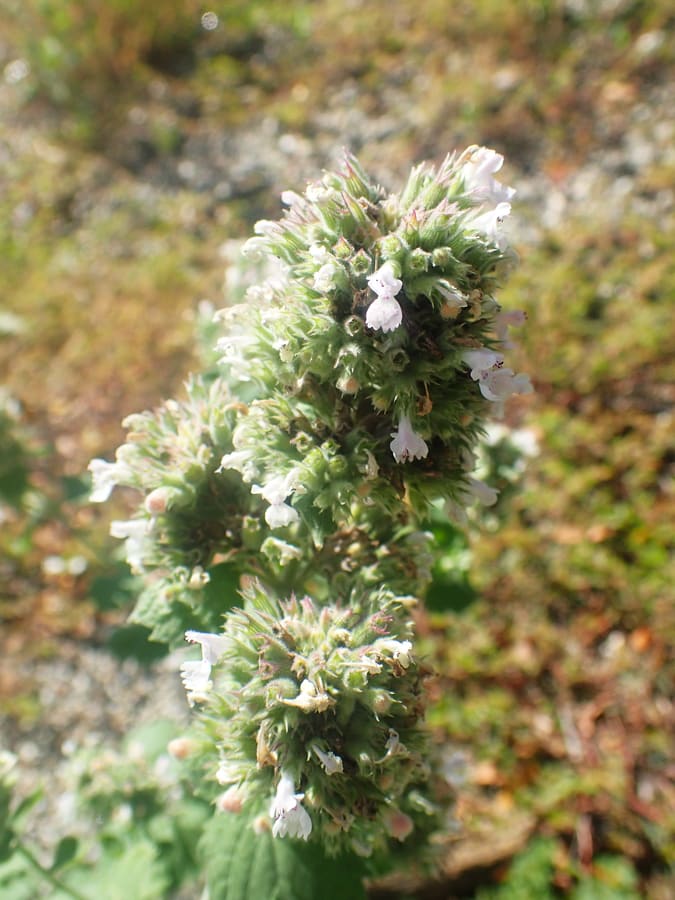
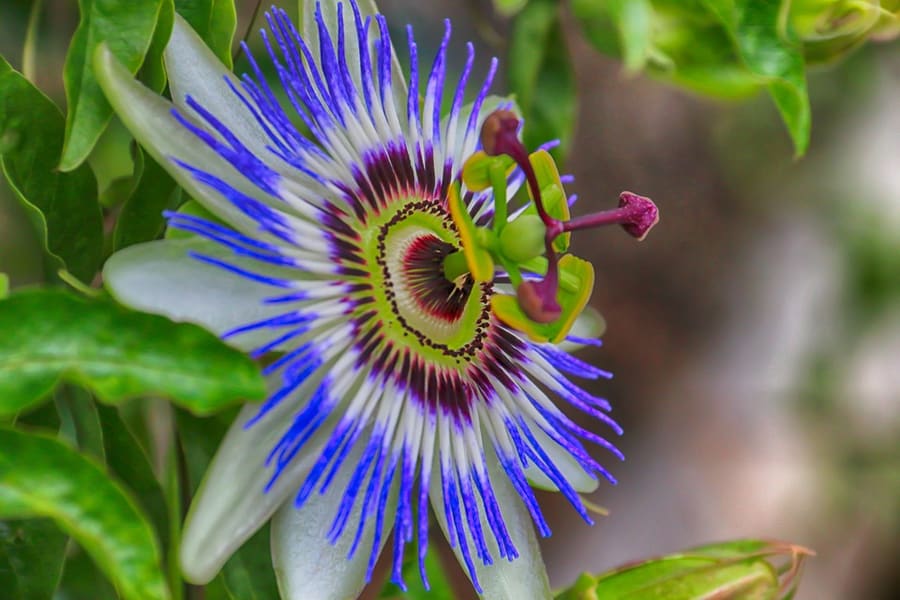
- Catnip is a downy, aromatic perennial growing to 3 feet with heart-shaped, gray-green leaves and whorls of white flowers marked with purple spots. Native to Europe and naturalized in North America, it grows in dry wayside places and mountainous regions up to altitudes of 5,000 feet. The plant is gathered when in flower during summer and autumn. Catnip has an excitatory effect on cats.Passionflower (Passiflora incarnata and related species) is a climbing vine that can grow up to about 30 ft (9 m). It features ornate, complex flowers - often white, purple, or blue - and lobed leaves. Traditionally used as a sedative, passionflower is taken for anxiety and sleep problems; NCCIH says a small amount of research suggests it might help anxiety and total sleep time, but conclusions are not definite. Some species, such as P. quadrangularis, contain serotonin-like compounds.
- Safety & precautions
- Large doses can cause vomiting. Ask a qualified professional before giving it to children or babies. Avoid during pregnancy.Pregnancy: NCCIH says passionflower should not be used during pregnancy because it may induce uterine contractions. Drowsiness: May cause sedation; exercise caution with driving or machinery if taking a strong dose. Medication Interactions: Consult a healthcare professional if taking other sedatives or anti-anxiety drugs.
Safety text above is printed in full and is never abbreviated. For each plant’s complete precautions, drug and food interactions and preparation notes, open its own page - both are free.
Conditions that list both
Related comparisons
- Catnip (Nepeta cataria) vs Linden (Tilia europaea)
- Andrographis (Andrographis paniculata) vs Catnip (Nepeta cataria)
- California Poppy (Eschscholzia californica) vs Passionflower (Passiflora incarnata)
- Caraway (Carum carvi) vs Catnip (Nepeta cataria)
- Catnip (Nepeta cataria) vs Cinnamon (Cinnamomum verum)
- Catnip (Nepeta cataria) vs Dill (Anethum graveolens)