
Herb comparison
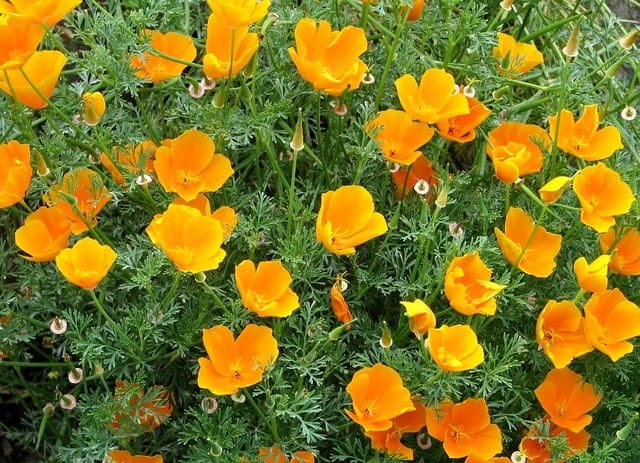
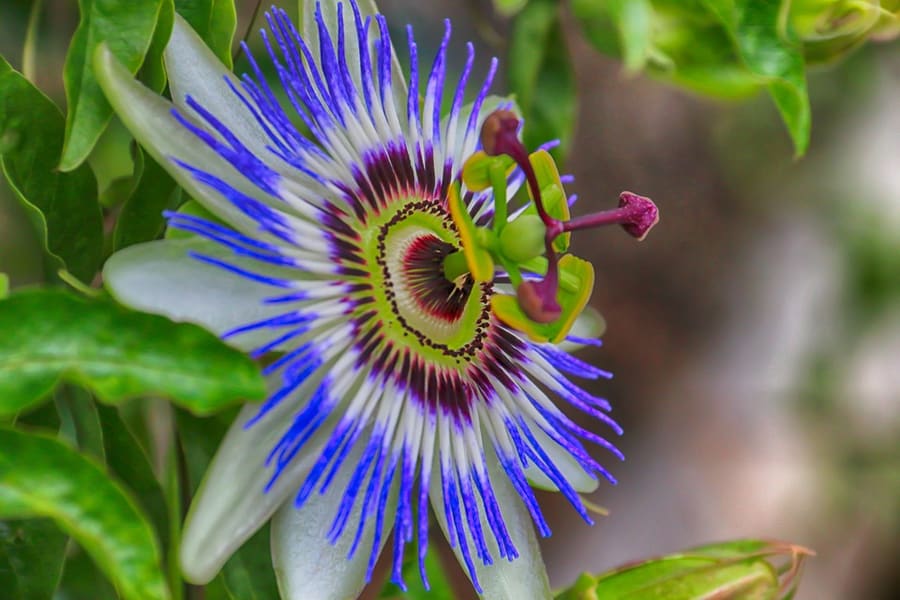
California Poppy (Eschscholzia californica) vs Passionflower (Passiflora incarnata)
Both plants are listed as traditional remedies for 2 of the same conditions, which is why they are easy to confuse. Their descriptions and full safety notes are below, free.
- About
- California poppy (Eschscholzia californica) is an annual or short-lived perennial with finely divided leaves and vibrant orange, yellow, pink, or red blossoms. It is related to the opium poppy.Passionflower (Passiflora incarnata and related species) is a climbing vine that can grow up to about 30 ft (9 m). It features ornate, complex flowers - often white, purple, or blue - and lobed leaves. Traditionally used as a sedative, passionflower is taken for anxiety and sleep problems; NCCIH says a small amount of research suggests it might help anxiety and total sleep time, but conclusions are not definite. Some species, such as P. quadrangularis, contain serotonin-like compounds.
- Safety & precautions
- Pregnancy: Not recommended unless supervised by a qualified professional. Children & Sensitive Individuals: Ask a qualified professional before giving it to children.Pregnancy: NCCIH says passionflower should not be used during pregnancy because it may induce uterine contractions. Drowsiness: May cause sedation; exercise caution with driving or machinery if taking a strong dose. Medication Interactions: Consult a healthcare professional if taking other sedatives or anti-anxiety drugs.
Safety text above is printed in full and is never abbreviated. For each plant’s complete precautions, drug and food interactions and preparation notes, open its own page - both are free.
Conditions that list both
Related comparisons
- Ashwagandha (Withania somnifera) vs California Poppy (Eschscholzia californica)
- Bacopa (Bacopa monnieri) vs California Poppy (Eschscholzia californica)
- California Poppy (Eschscholzia californica) vs Lavender (Lavandula angustifolia)
- California Poppy (Eschscholzia californica) vs Linden (Tilia europaea)
- California Poppy (Eschscholzia californica) vs Skullcap (Scutellaria lateriflora)
- California Poppy (Eschscholzia californica) vs Valerian (Valeriana officinalis)