
Herb comparison
California Poppy (Eschscholzia californica) vs Linden (Tilia europaea)
Both plants are listed as traditional remedies for 2 of the same conditions, which is why they are easy to confuse. Their descriptions and full safety notes are below, free.
- About
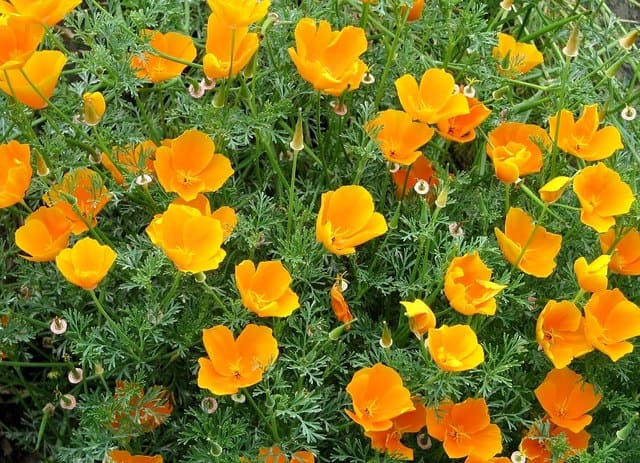
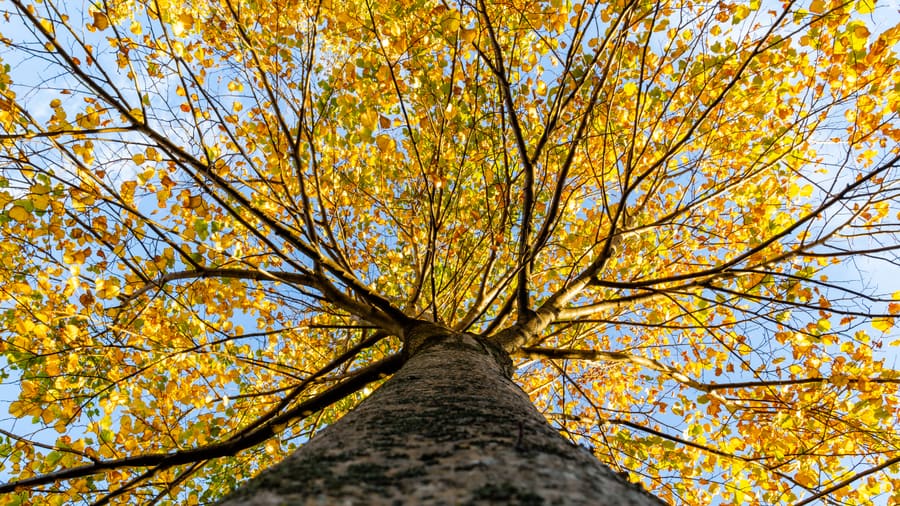
- California poppy (Eschscholzia californica) is an annual or short-lived perennial with finely divided leaves and vibrant orange, yellow, pink, or red blossoms. It is related to the opium poppy.Linden comprises deciduous trees growing to a height of 100 feet with smooth gray bark, heart-shaped leaves, and clusters of pale yellow flowers with winglike bracts. Native to Europe, it is found in the wild but is also much planted in gardens and along roads. The flowers are collected in summer. Greek myth recounts how the nymph Philyra, devastated after being raped by the god Cronus in the guise of a horse and giving birth to the centaur Chiron, begged the gods not to leave her amongst mortals. The gods granted her wish by transforming her into a linden tree, forever linking this graceful species with transformation and divine mercy.
- Safety & precautions
- Pregnancy: Not recommended unless supervised by a qualified professional. Children & Sensitive Individuals: Ask a qualified professional before giving it to children.Ask a qualified professional before medicinal use.
Safety text above is printed in full and is never abbreviated. For each plant’s complete precautions, drug and food interactions and preparation notes, open its own page - both are free.
Conditions that list both
Related comparisons
- Catnip (Nepeta cataria) vs Linden (Tilia europaea)
- Ashwagandha (Withania somnifera) vs California Poppy (Eschscholzia californica)
- Bacopa (Bacopa monnieri) vs California Poppy (Eschscholzia californica)
- California Poppy (Eschscholzia californica) vs Lavender (Lavandula angustifolia)
- California Poppy (Eschscholzia californica) vs Passionflower (Passiflora incarnata)
- California Poppy (Eschscholzia californica) vs Skullcap (Scutellaria lateriflora)