
Herb comparison
California Poppy (Eschscholzia californica) vs Valerian (Valeriana officinalis)
Both plants are listed as traditional remedies for 2 of the same conditions, which is why they are easy to confuse. Their descriptions and full safety notes are below, free.
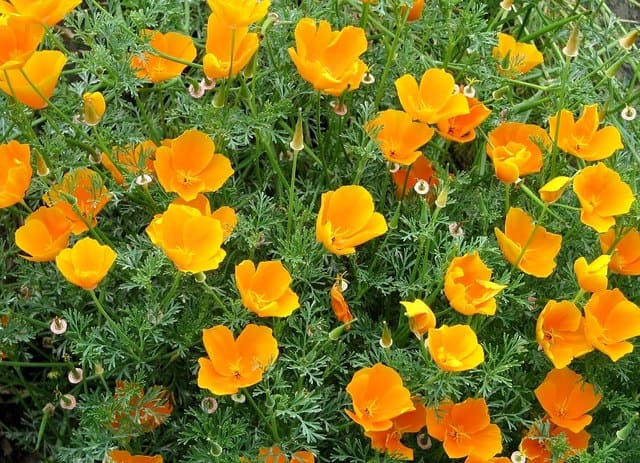
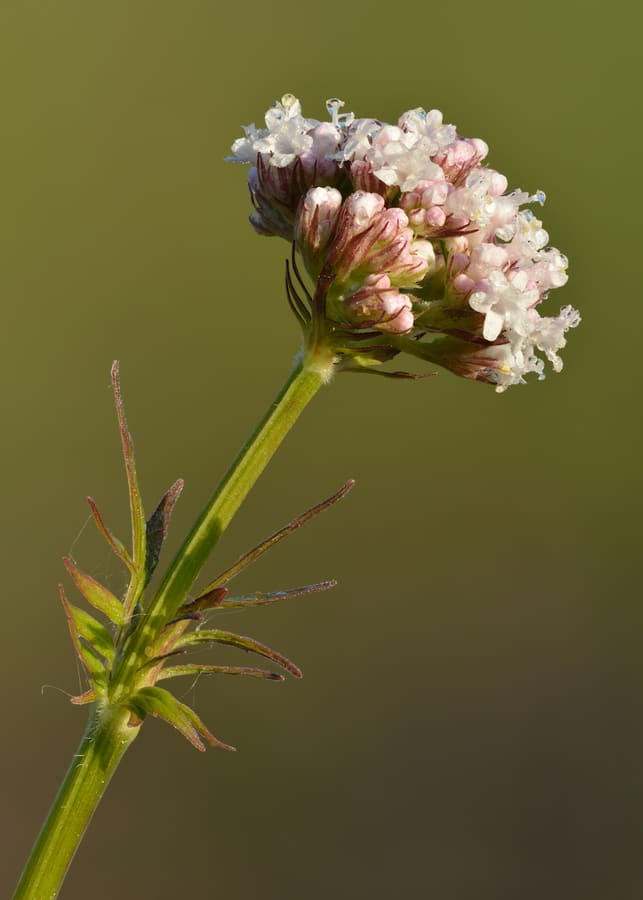
- About
- California poppy (Eschscholzia californica) is an annual or short-lived perennial with finely divided leaves and vibrant orange, yellow, pink, or red blossoms. It is related to the opium poppy.Valerian (Valeriana officinalis) is an upright, clump-forming perennial reaching about 4 ft (1.2 m), with divided, pinnate leaves and pinkish-white clusters of small flowers. Known for its pungent (often unpleasant) smell, valerian has been used medicinally since early Greece and Rome, historically for insomnia, migraine, fatigue and stomach cramps. NCCIH says the evidence on sleep is inconsistent and there is not enough evidence to know whether valerian helps any health condition.
- Safety & precautions
- Pregnancy: Not recommended unless supervised by a qualified professional. Children & Sensitive Individuals: Ask a qualified professional before giving it to children.Liver: Very rare liver injury has been reported, most often when valerian was combined with other herbs (NCCIH), and LiverTox rates it a probable rare cause. Stopping after long use: NCCIH notes withdrawal-type symptoms, such as anxiety, irritability and insomnia, when valerian is stopped suddenly after long-term use. Driving: MSK advises not driving or operating machinery after taking it. Individual Reactions: Some experience stimulation instead of sedation. Duration: NCCIH says 300 to 600 mg a day has been used with apparent safety for up to 6 weeks, and the safety of long-term use is unknown. Pregnancy: Little is known about safety during pregnancy or breastfeeding. Possible Side Effects: Headache, stomach upset, mental dullness and vivid dreams have been reported.
Safety text above is printed in full and is never abbreviated. For each plant’s complete precautions, drug and food interactions and preparation notes, open its own page - both are free.
Conditions that list both
Related comparisons
- Ashwagandha (Withania somnifera) vs California Poppy (Eschscholzia californica)
- Bacopa (Bacopa monnieri) vs California Poppy (Eschscholzia californica)
- California Poppy (Eschscholzia californica) vs Lavender (Lavandula angustifolia)
- California Poppy (Eschscholzia californica) vs Linden (Tilia europaea)
- California Poppy (Eschscholzia californica) vs Passionflower (Passiflora incarnata)
- California Poppy (Eschscholzia californica) vs Skullcap (Scutellaria lateriflora)