
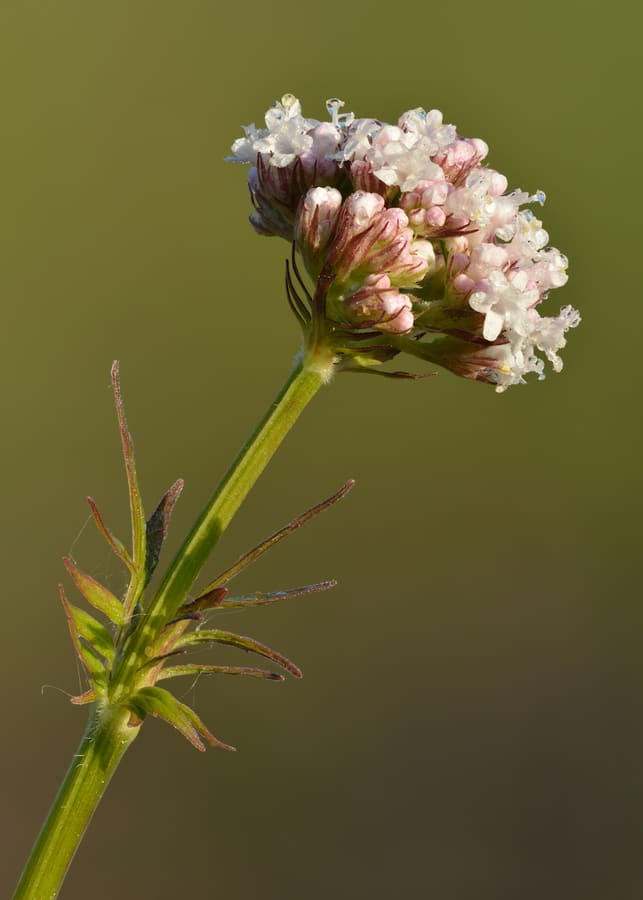
Valerian (Valeriana officinalis)
Photo: Ivar Leidus · CC BY-SA 4.0
- Mental
- 2 conditions
- Licensed photo
Overview
Valerian (Valeriana officinalis) is an upright, clump-forming perennial reaching about 4 ft (1.2 m), with divided, pinnate leaves and pinkish-white clusters of small flowers. Known for its pungent (often unpleasant) smell, valerian has been used medicinally since early Greece and Rome, historically for insomnia, migraine, fatigue and stomach cramps. NCCIH says the evidence on sleep is inconsistent and there is not enough evidence to know whether valerian helps any health condition.
Traditional uses & properties
Sleep and Stress: Historically used for insomnia and promoted today for stress; NCCIH says the evidence on sleep is inconsistent and there is not enough evidence to draw conclusions about stress. Cramps (traditional use): Historically used for stomach cramps; NCCIH says there is not enough evidence to determine whether valerian is useful for any health condition, including menstrual cramps. Anxiolytic: Promoted today for anxiety, although NCCIH says there is not enough evidence to draw conclusions about anxiety.
Amounts reported by sources
These are the amounts the named source reports, such as the doses used in studies or the directions on a product label. They are not a dosage recommendation from HerbMate. Products differ in strength and safe use depends on the person, so ask a pharmacist or clinician before taking any herb.
NCCIH notes that valerian has been used with apparent safety in doses of 300 to 600 mg a day for up to 6 weeks.
How these are made
Safety & precautions
Liver: Very rare liver injury has been reported, most often when valerian was combined with other herbs (NCCIH), and LiverTox rates it a probable rare cause. Stopping after long use: NCCIH notes withdrawal-type symptoms, such as anxiety, irritability and insomnia, when valerian is stopped suddenly after long-term use. Driving: MSK advises not driving or operating machinery after taking it. Individual Reactions: Some experience stimulation instead of sedation. Duration: NCCIH says 300 to 600 mg a day has been used with apparent safety for up to 6 weeks, and the safety of long-term use is unknown. Pregnancy: Little is known about safety during pregnancy or breastfeeding. Possible Side Effects: Headache, stomach upset, mental dullness and vivid dreams have been reported.
Educational reference only - not medical advice. Herbs can interact with medications. Consult a qualified healthcare provider before use. Full disclaimer.
Drug interactions
Because valerian may promote sleep, the main concern is adding it to other sedating substances. [1, 2]
- Alcohol and sedatives
- NCCIH advises against taking valerian with alcohol or sedatives. ODS lists benzodiazepines, barbiturates and other central nervous system depressants, and also names three supplements with calming effects: kava, melatonin and St. John's wort. [1, 2]
- Anesthesia
- MSK advises stopping valerian at least a week before an operation, since it can interfere with anesthesia. [3]
- Haloperidol
- An animal study suggests added effects, including liver damage. Relevance to people is undetermined. [3]
- Medicines broken down by liver enzymes
- Laboratory findings suggest CYP2D6 and CYP3A4 inhibition, but studies in people suggest such interactions are unlikely. [3]
How to read this section: each entry is HerbMate's summary of what the cited sources report. Words such as "may", "theoretical" or "in laboratory or animal studies" mean the effect has not been confirmed in people, and "case report" means it was seen in one or a few patients. A medicine that is not listed here has not been shown to be safe with this herb. The numbers in brackets link to the sources at the foot of the page.
Habitat
Native to Europe and northern Asia, valerian flourishes in damp soils, often near rivers. It is grown from seed in spring and harvested in autumn of the second year, when the root and rhizome contain the highest level of active components.
Sources
The interaction notes and the statements on this page that name a source were written by HerbMate from these references, which were last checked in October 2026. They are summaries, not medical advice; ask a pharmacist about your own medicines.
Traditionally used for
Each condition shows its first 2 remedies free. Premium opens the full remedy list for every condition - or come back for the free Condition of the Day.
Frequently asked questions
What is Valerian (Valeriana officinalis) traditionally used for?
Traditional sources describe Valerian (Valeriana officinalis) as follows: Sleep and Stress: Historically used for insomnia and promoted today for stress; NCCIH says the evidence on sleep is inconsistent and there is not enough evidence to draw conclusions about stress. Cramps (traditional use): Historically used for stomach cramps; NCCIH says there is not enough evidence to determine whether valerian is useful for any health condition, including menstrual cramps. Anxiolytic: Promoted today for anxiety, although NCCIH says there is not enough evidence to draw conclusions about anxiety.
What amounts do sources report for Valerian (Valeriana officinalis)?
These are the amounts the named source reports, such as the doses used in studies or the directions on a product label. They are not a dosage recommendation from HerbMate. Products differ in strength and safe use depends on the person, so ask a pharmacist or clinician before taking any herb. CAPSULE: NCCIH notes that valerian has been used with apparent safety in doses of 300 to 600 mg a day for up to 6 weeks.
What safety cautions apply to Valerian (Valeriana officinalis)?
Liver: Very rare liver injury has been reported, most often when valerian was combined with other herbs (NCCIH), and LiverTox rates it a probable rare cause. Stopping after long use: NCCIH notes withdrawal-type symptoms, such as anxiety, irritability and insomnia, when valerian is stopped suddenly after long-term use. Driving: MSK advises not driving or operating machinery after taking it. Individual Reactions: Some experience stimulation instead of sedation. Duration: NCCIH says 300 to 600 mg a day has been used with apparent safety for up to 6 weeks, and the safety of long-term use is unknown. Pregnancy: Little is known about safety during pregnancy or breastfeeding. Possible Side Effects: Headache, stomach upset, mental dullness and vivid dreams have been reported.
Related herbs
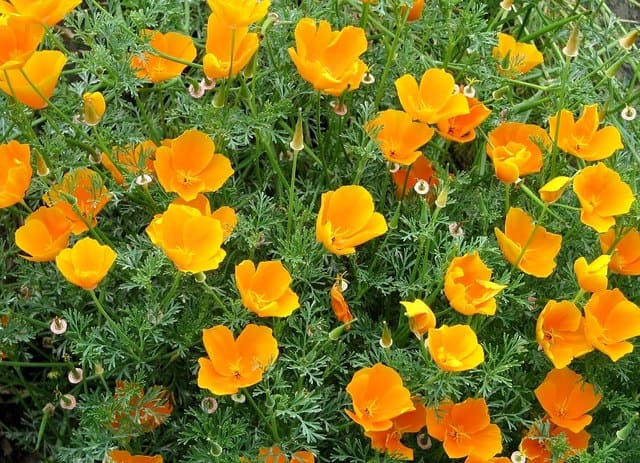 California Poppy (Eschscholzia californica)
California poppy (Eschscholzia californica) is an annual or short-lived perennial with finely divided leaves and vibrant orange, yellow, pink, or red blossoms. It is related to the opium poppy.
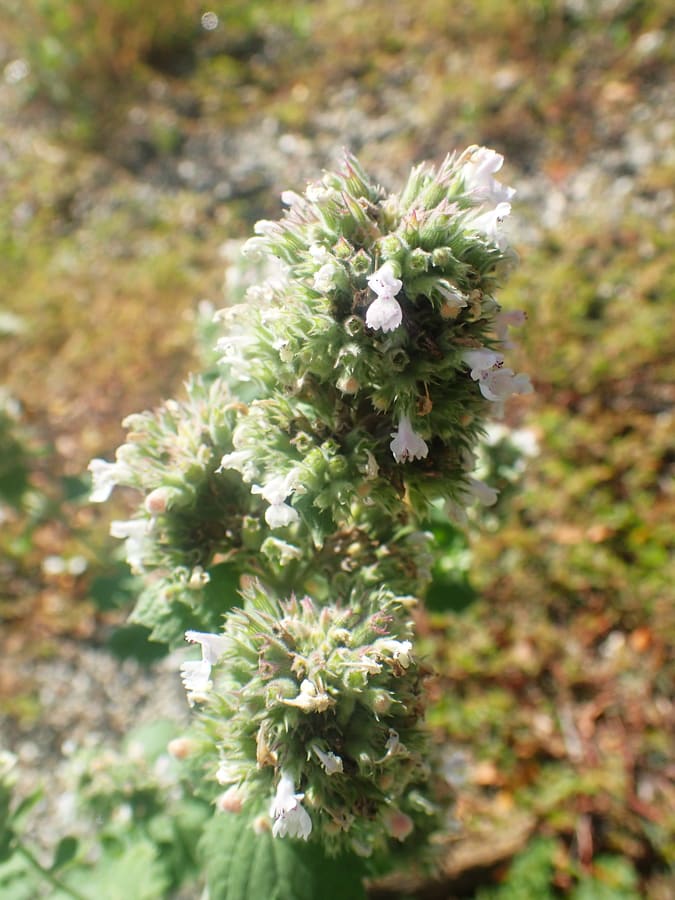 Catnip (Nepeta cataria)
Catnip is a downy, aromatic perennial growing to 3 feet with heart-shaped, gray-green leaves and whorls of white flowers marked with purple spots. Native to Europe and naturalized in North America, it grows in dry wayside places and mountainous regions up to altitudes of 5,000 feet. The plant is gathered when in flower during summer and autumn. Catnip has an excitatory effect on cats.
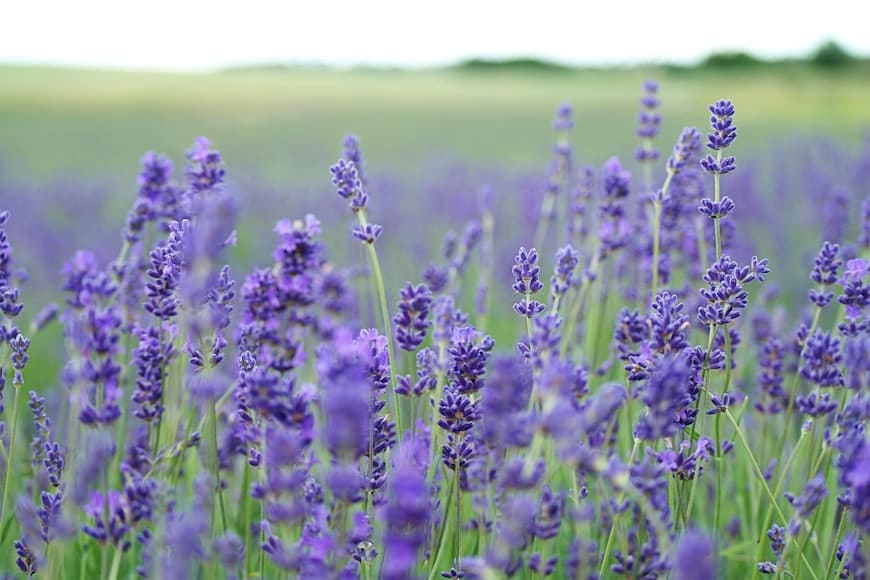 Lavender (Lavandula angustifolia)
Lavender (Lavandula officinalis, also known as L. angustifolia) is a small, perennial shrub that can grow about 3 ft (1 m) high, characterized by its narrow, silver-green leaves and spiked violet-blue flowers. Renowned for its sweet aroma, lavender has a long history in traditional medicine for improving mood and sleep, and NCCIH says it is promoted today for calming anxiety and stress. NCCIH says studies suggest an oral lavender oil product might help anxiety, but more high-quality research is needed to reach reliable conclusions.
 Linden (Tilia europaea)
Linden comprises deciduous trees growing to a height of 100 feet with smooth gray bark, heart-shaped leaves, and clusters of pale yellow flowers with winglike bracts. Native to Europe, it is found in the wild but is also much planted in gardens and along roads. The flowers are collected in summer. Greek myth recounts how the nymph Philyra, devastated after being raped by the god Cronus in the guise of a horse and giving birth to the centaur Chiron, begged the gods not to leave her amongst mortals. The gods granted her wish by transforming her into a linden tree, forever linking this graceful species with transformation and divine mercy.
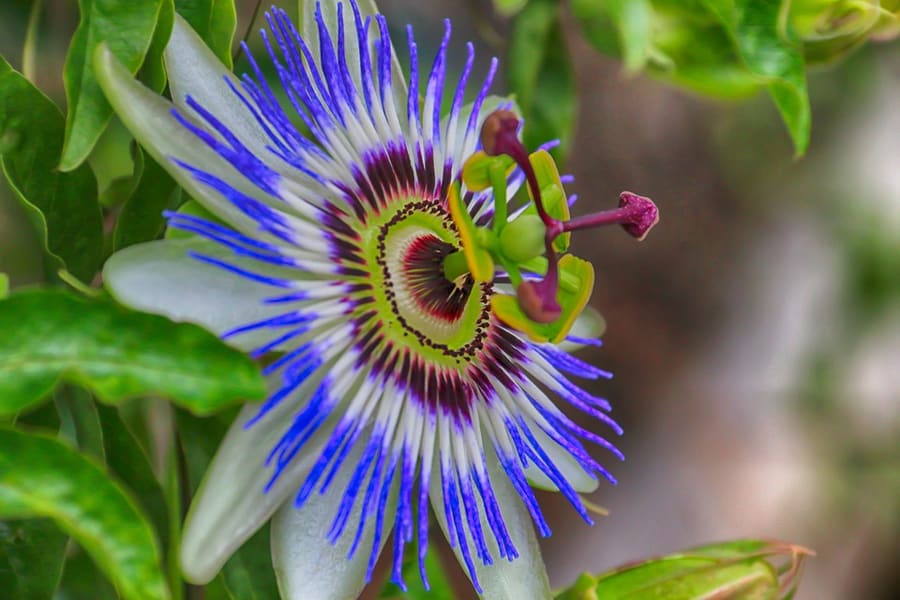 Passionflower (Passiflora incarnata)
Passionflower (Passiflora incarnata and related species) is a climbing vine that can grow up to about 30 ft (9 m). It features ornate, complex flowers - often white, purple, or blue - and lobed leaves. Traditionally used as a sedative, passionflower is taken for anxiety and sleep problems; NCCIH says a small amount of research suggests it might help anxiety and total sleep time, but conclusions are not definite. Some species, such as P. quadrangularis, contain serotonin-like compounds.
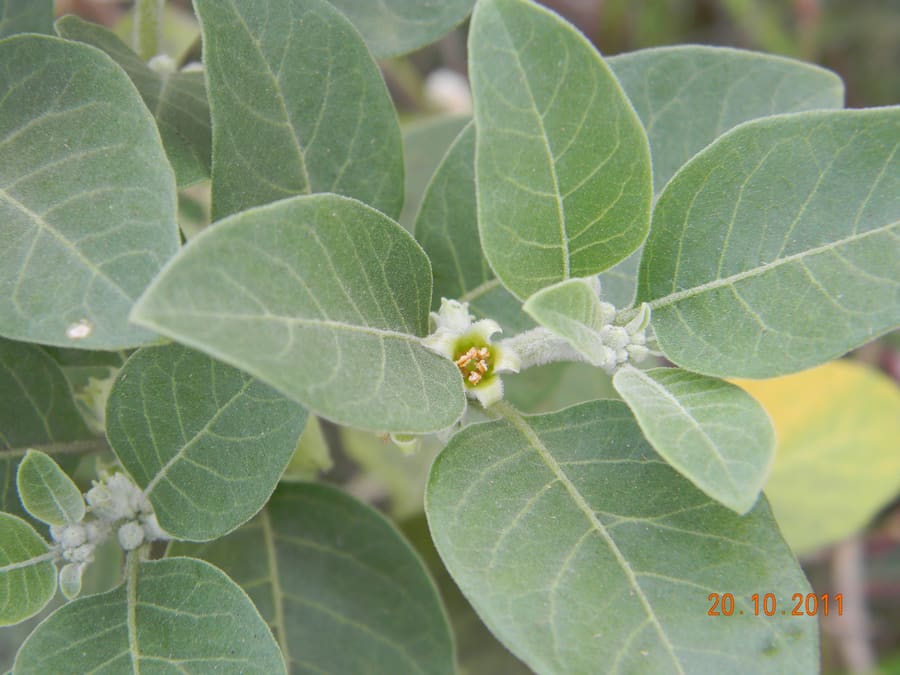 Ashwagandha (Withania somnifera)
Ashwagandha (Withania somnifera), sometimes called “Indian ginseng,” is a sturdy shrub growing to about 5 ft (1.5 m) with oval leaves, greenish or yellow flowers, and small, round fruits. NCCIH says some preparations may help insomnia and stress, but there isn't enough evidence to know whether it helps most other conditions.
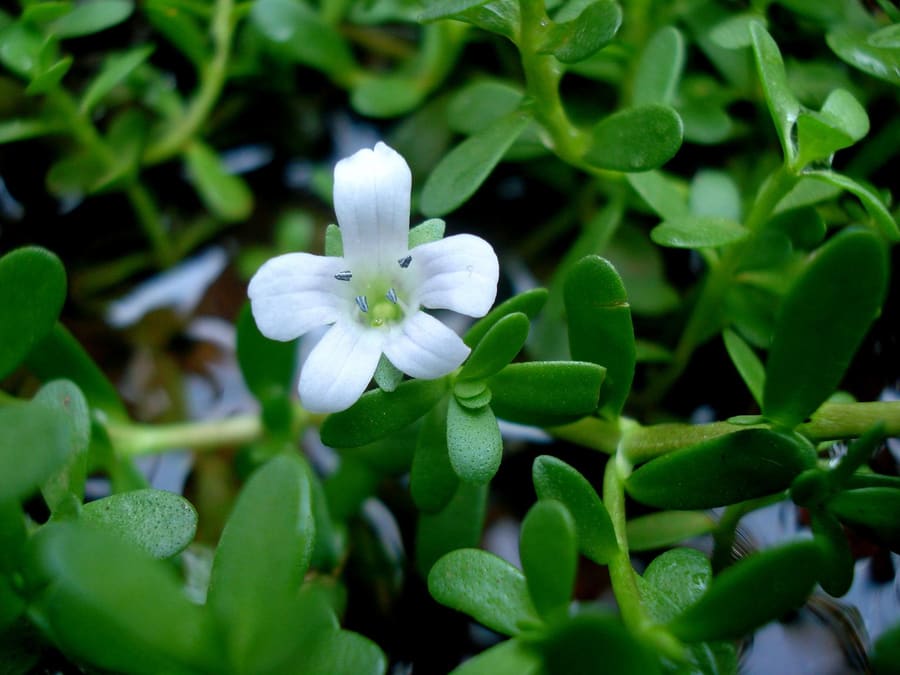 Bacopa (Bacopa monnieri)
Bacopa, also known as Water Hyssop or Brahmi, is a creeping succulent perennial that can grow to about 20 inches. It features spatula-shaped fleshy leaves and pale blue or white flowers on slender stalks. It thrives in marshlands and along the edges of mangrove swamps in warmer temperate and tropical climates, especially southern Asia, where it forms dense mats on mudflats.
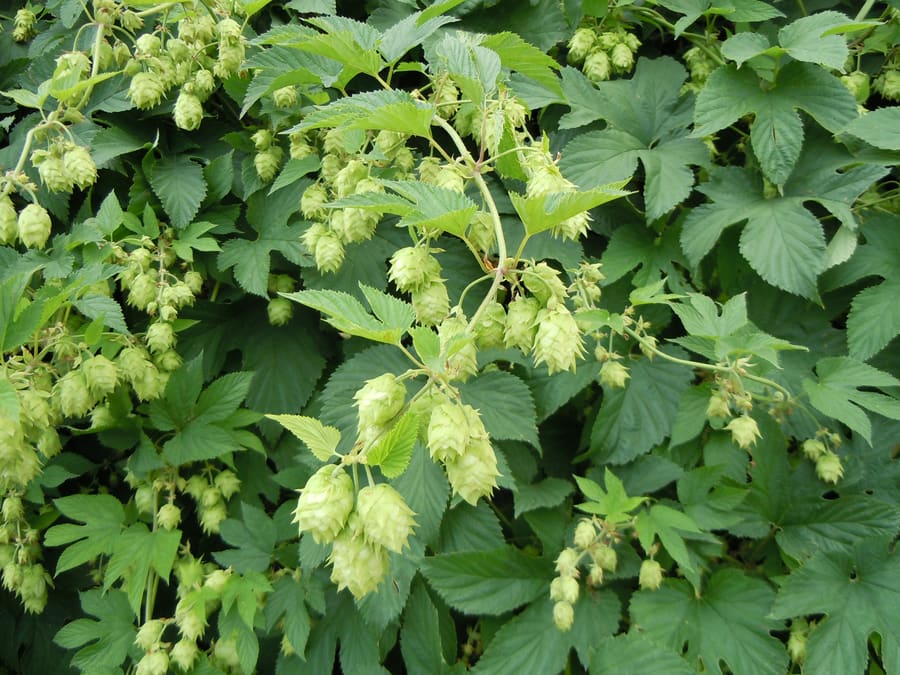 Hops (Humulus lupulus)
Hops (Humulus lupulus) are the female flower clusters (“strobiles”) of a tall, climbing perennial vine that can reach up to about 23 ft (7 m). They are known primarily for their bitter flavor in beer.