
Herb comparison
Burdock (Arctium lappa) vs Calendula (Calendula officinalis)
Both plants are listed as traditional remedies for 1 of the same condition, which is why they are easy to confuse. Their descriptions and full safety notes are below, free.
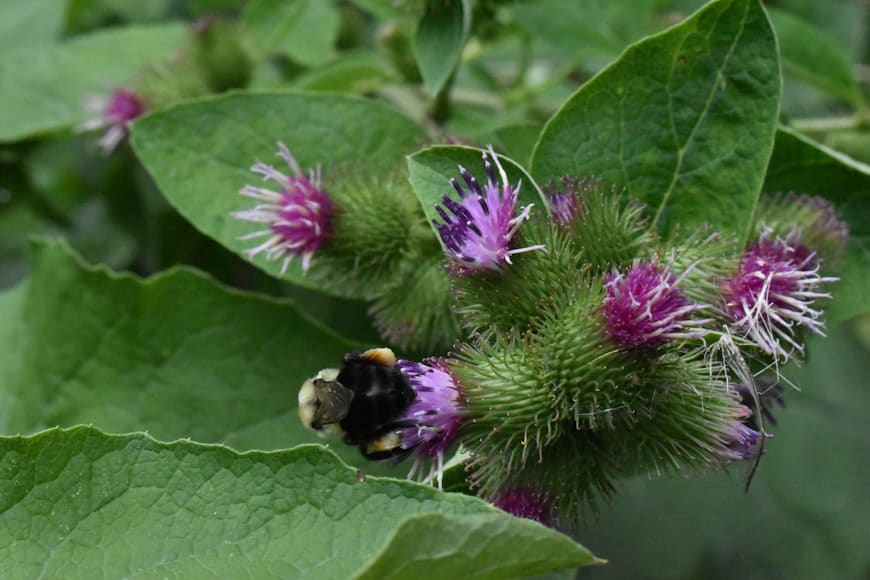
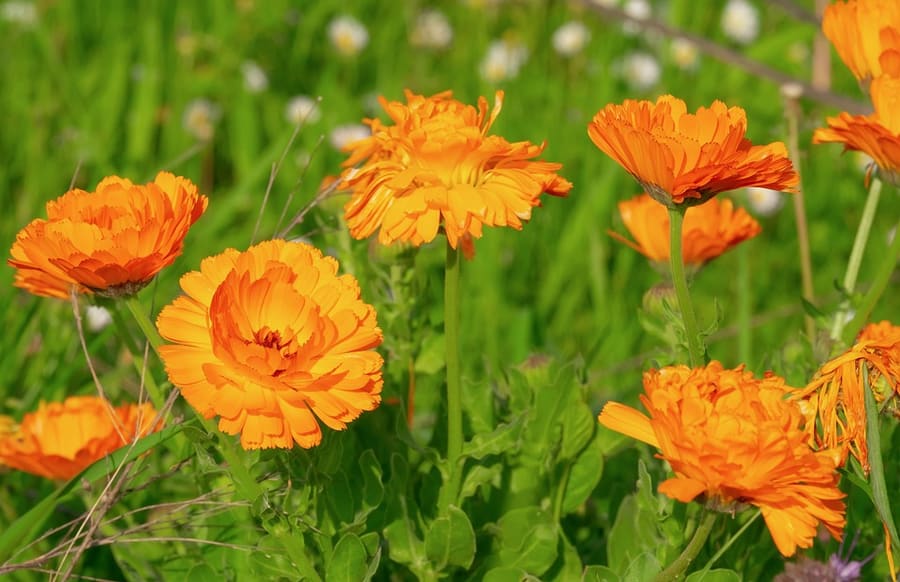
- About
- Burdock is a sturdy, bitter herb with large leaves.Calendula (Calendula officinalis) has bright orange daisy-like flowers.
- Safety & precautions
- Very rarely, contact dermatitis may occur. If using large amounts or for extended periods, it is advisable to consult a qualified practitioner.Internal Use & Pregnancy: Not advised during pregnancy when taken internally. Topical Use: Allergic skin reactions may occur. General Note: Calendula has a mild estrogenic effect and may influence menstruation.
Safety text above is printed in full and is never abbreviated. For each plant’s complete precautions, drug and food interactions and preparation notes, open its own page - both are free.
Conditions that list both
Related comparisons
- Aloe (Aloe vera) vs Calendula (Calendula officinalis)
- Calendula (Calendula officinalis) vs Psyllium (Plantago ovata)
- Calendula (Calendula officinalis) vs Chinese Rhubarb (Rheum palmatum)
- Calendula (Calendula officinalis) vs Slippery Elm (Ulmus rubra)
- Calendula (Calendula officinalis) vs Cleavers (Galium aparine)
- Calendula (Calendula officinalis) vs Licorice