
Herb comparison
Boswellia (Boswellia serrata) vs Cat's Claw (Uncaria tomentosa)
Both plants are listed as traditional remedies for 2 of the same conditions, which is why they are easy to confuse. Their descriptions and full safety notes are below, free.
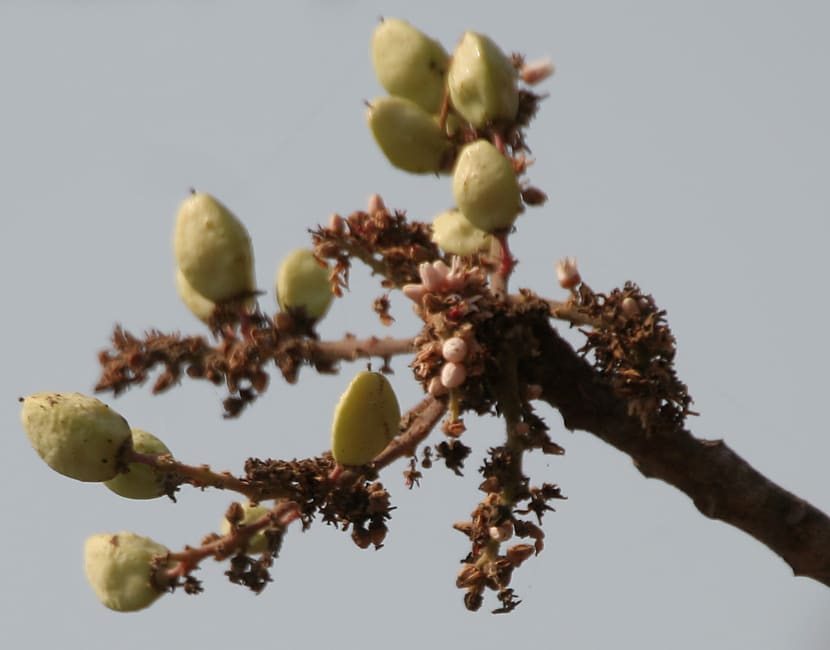
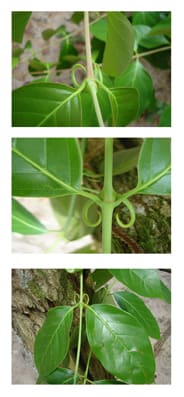
- About
- Boswellia is a deciduous tree growing to about 49 ft (15 m), characterized by its pale, papery bark, compound leaves, and small clusters of white flowers. The resin of the tree has traditionally been used in Ayurveda for arthritis, inflammation and pain, and some respiratory conditions (NCCIH). The key active components are boswellic acids. NCCIH says some studies suggest oral boswellia may ease osteoarthritis pain and inflammation, but there is not enough high-quality evidence to know whether it helps any health condition.Cat's claw is a climbing vine that can grow to 100 feet or more, with stems up to 8 inches in diameter, large glossy leaves, and sharp hooks resembling a cat's claws. Native to tropical rainforests in the central and eastern Andes, especially Peru, Ecuador, and Colombia, it has also been found in Guatemala, Costa Rica, and Panama. Indigenous people of the Amazon rainforest have used cat's claw for centuries to ward off disease, and NCCIH says it is promoted today for osteoarthritis, rheumatoid arthritis, cancer and viral infections. NCCIH says there is no conclusive evidence from studies in people to support cat's claw for any health purpose. By the early 1990s, over-collection from the wild threatened the species' survival; only sustainably sourced stem bark should be used, rather than root bark.
- Safety & precautions
- NCCIH says little is known about whether medicinal amounts of boswellia are safe during pregnancy or breastfeeding. As with any herb, it is best used under the advice of a qualified practitioner, especially for chronic inflammation or serious conditions.Avoid during pregnancy and while trying to conceive, as cat's claw has contraceptive activity. Tetracyclic oxindole alkaloids (TOAs), present in some cat's claw, may suppress immune function. Some preparations are standardized to contain little or no TOAs. Medicines: NCCIH says there are theoretical reasons to expect interactions with blood thinners (anticoagulants and antiplatelet drugs) and with blood pressure medicines, and notes cat's claw may slow clotting, so mention it before any surgery. A 2017 systematic review found that cat's claw significantly raised levels of some HIV medicines, and LiverTox notes it inhibits the liver enzyme CYP3A4, so it could raise levels of other drugs cleared that way.
Safety text above is printed in full and is never abbreviated. For each plant’s complete precautions, drug and food interactions and preparation notes, open its own page - both are free.