
Herb comparison
Boswellia (Boswellia serrata) vs Turmeric (Curcuma longa)
Both plants are listed as traditional remedies for 3 of the same conditions, which is why they are easy to confuse. Their descriptions and full safety notes are below, free.
- About
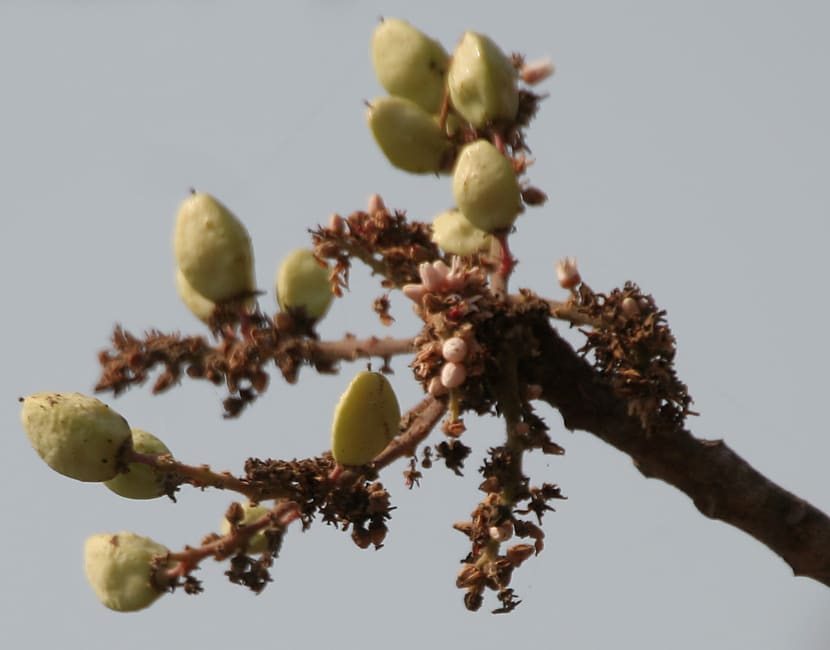
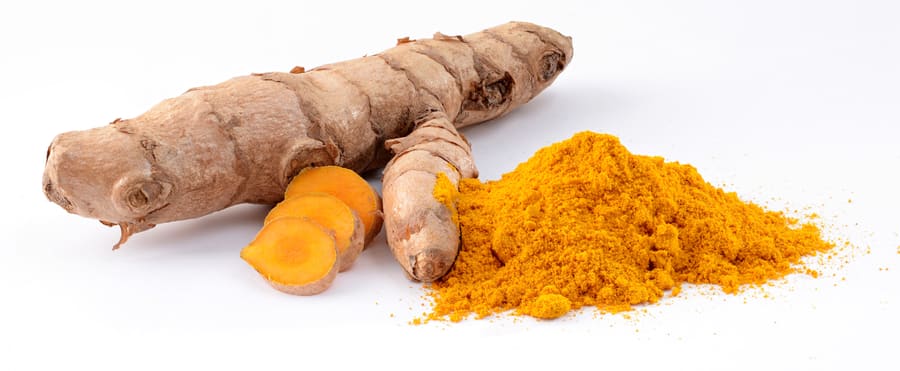
- Boswellia is a deciduous tree growing to about 49 ft (15 m), characterized by its pale, papery bark, compound leaves, and small clusters of white flowers. The resin of the tree has traditionally been used in Ayurveda for arthritis, inflammation and pain, and some respiratory conditions (NCCIH). The key active components are boswellic acids. NCCIH says some studies suggest oral boswellia may ease osteoarthritis pain and inflammation, but there is not enough high-quality evidence to know whether it helps any health condition.Turmeric (Curcuma longa) is a perennial with a thick rhizome, growing to about 3 ft (90 cm), featuring lance-shaped leaves and pale yellow flowers. Renowned for its bright yellow-orange color, turmeric is a spice commonly employed in Indian cooking and in Ayurveda, where it has been used for indigestion, colds, skin infections, and arthritis. NCCIH says there isn't enough evidence to conclude that turmeric or curcumin is beneficial for any health purpose.
- Safety & precautions
- NCCIH says little is known about whether medicinal amounts of boswellia are safe during pregnancy or breastfeeding. As with any herb, it is best used under the advice of a qualified practitioner, especially for chronic inflammation or serious conditions.Liver: Turmeric used in food has a long safety record, but LiverTox now rates turmeric and curcumin products a well-documented cause of liver injury, with several dozen reported cases, and NCCIH notes liver damage in people taking high-bioavailability curcumin products. Stop and talk with a clinician if you develop tiredness, nausea, loss of appetite, dark urine or yellowing skin or eyes. Blood Thinners & Gallstones: Seek medical advice if on anticoagulants or if gallstones are present. High Doses: Overuse can lead to digestive upset. Pregnancy: NCCIH says turmeric supplements may be unsafe during pregnancy.
Safety text above is printed in full and is never abbreviated. For each plant’s complete precautions, drug and food interactions and preparation notes, open its own page - both are free.