
Herb comparison
Bay laurel (Laurus nobilis) vs White Willow (Salix alba)
Both plants are listed as traditional remedies for 1 of the same condition, which is why they are easy to confuse. Their descriptions and full safety notes are below, free.
- About
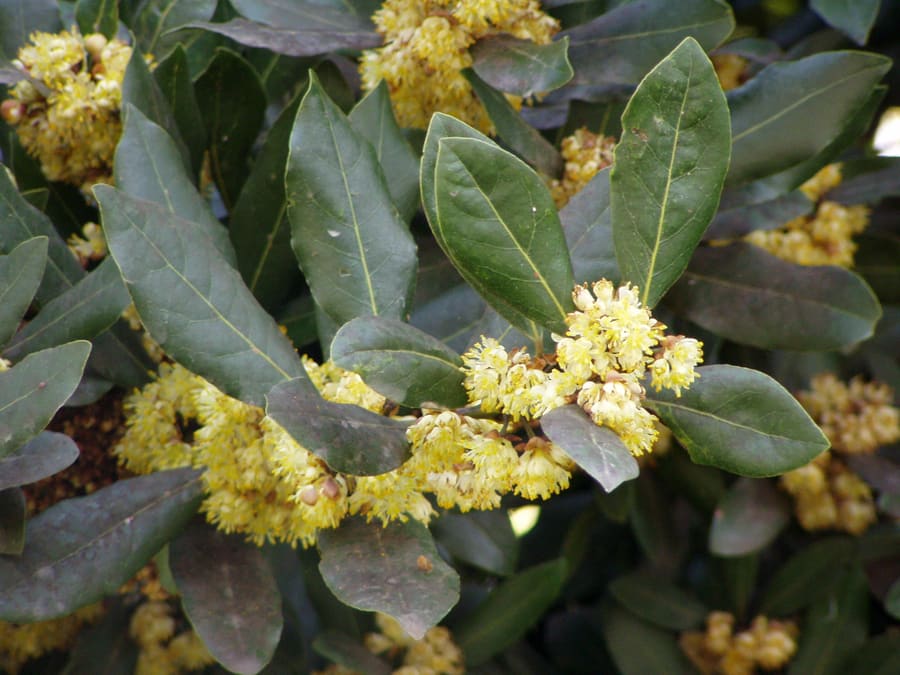
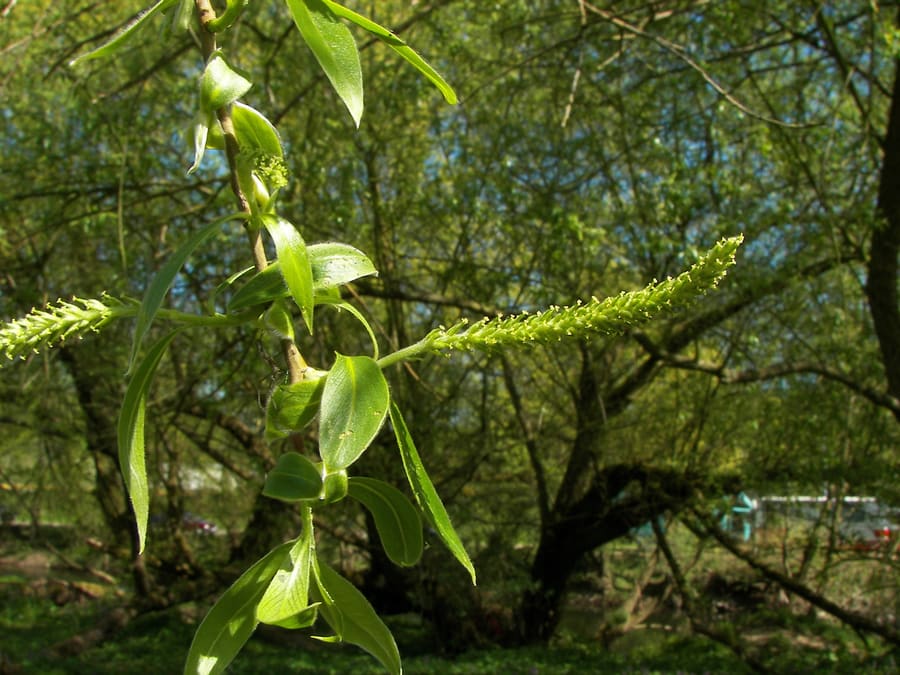
- Bay laurel (Laurus nobilis) is an aromatic evergreen shrub or small tree that can grow up to about 65 ft (20 m). It features leathery, dark green, lance-shaped leaves, small yellow flowers, and shiny black berries. The plant is well known for its culinary use (“bay leaves”) as well as its medicinal history in ancient Greece and Rome.Willow (Salix spp., especially S. alba) is a deciduous tree, sometimes up to 80 ft (25 m), with long, slender leaves and catkins in spring. The bark, which is high in salicin, was the original source of salicylic acid and a forerunner to aspirin. Willow bark has been used for thousands of years as a remedy for fevers and pain; MSK says a few studies suggest it may help back pain, but studies of osteoarthritis are mixed.
- Safety & precautions
- Essential Oil: Never take bay laurel essential oil internally. Topical Use: The oil should be used only in very dilute form to avoid skin irritation or allergic reactions.Allergic to Aspirin: Avoid use. Digestive Weakness or Ulcers: Willow can irritate the gut in large doses. Pregnancy & Nursing: Not recommended without professional supervision. Children: MSK says children should not be given willow bark because of the risk of Reye syndrome.
Safety text above is printed in full and is never abbreviated. For each plant’s complete precautions, drug and food interactions and preparation notes, open its own page - both are free.
Conditions that list both
Related comparisons
- Bay laurel (Laurus nobilis) vs Black Pepper (Piper nigrum)
- Bay laurel (Laurus nobilis) vs Triphala (Terminalia chebula blend)
- Bay laurel (Laurus nobilis) vs Coriander (Coriandrum sativum)
- Bay laurel (Laurus nobilis) vs Cornflower (Centaurea cyanus)
- Bay laurel (Laurus nobilis) vs Fennel (Foeniculum vulgare)
- Bay laurel (Laurus nobilis) vs Parsley (Petroselinum crispum)