
Herb comparison
Bay laurel (Laurus nobilis) vs Coriander (Coriandrum sativum)
Both plants are listed as traditional remedies for 1 of the same condition, which is why they are easy to confuse. Their descriptions and full safety notes are below, free.
- About
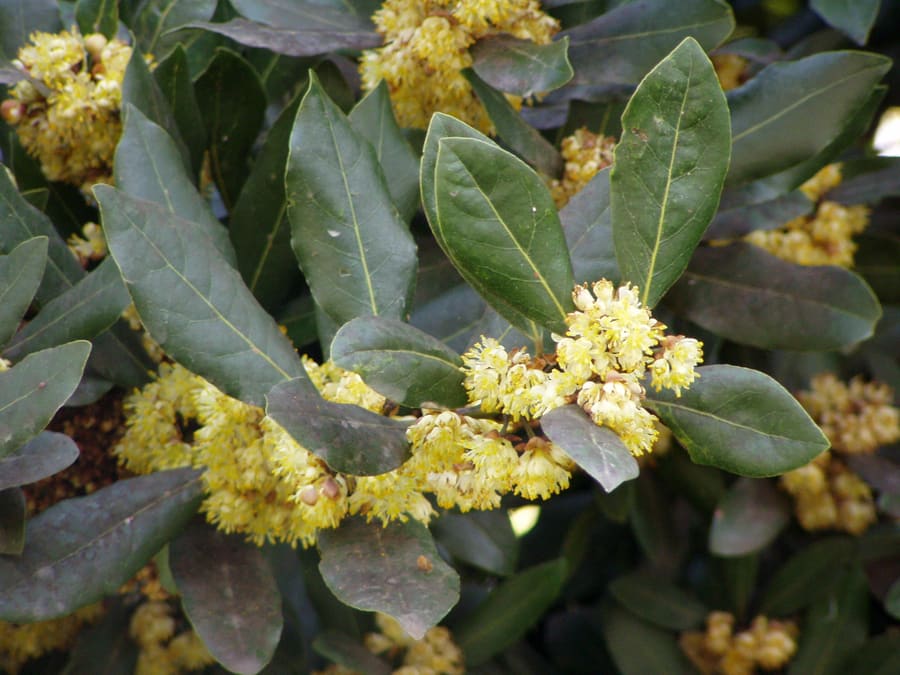
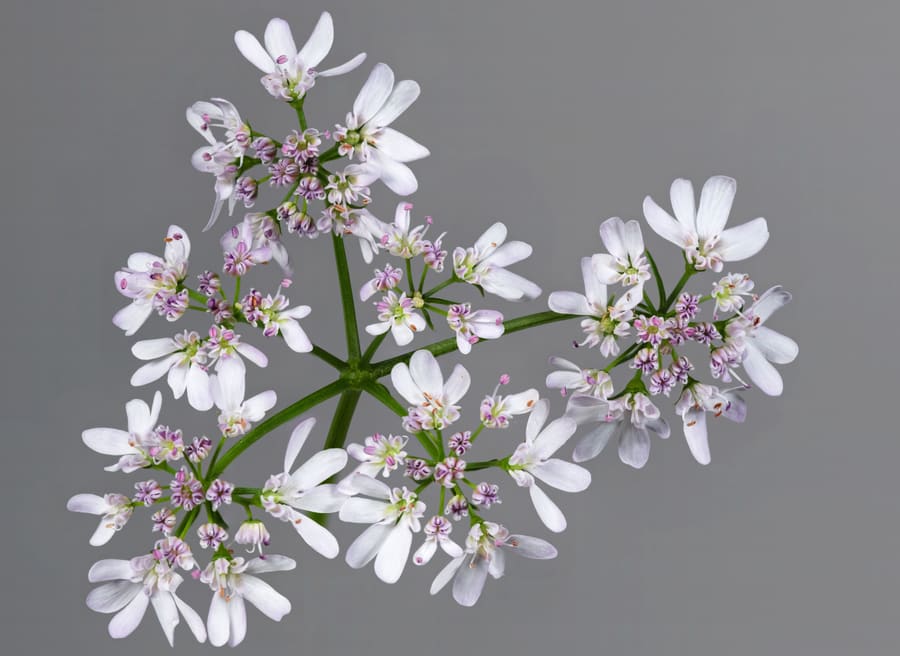
- Bay laurel (Laurus nobilis) is an aromatic evergreen shrub or small tree that can grow up to about 65 ft (20 m). It features leathery, dark green, lance-shaped leaves, small yellow flowers, and shiny black berries. The plant is well known for its culinary use (“bay leaves”) as well as its medicinal history in ancient Greece and Rome.Coriander (Coriandrum sativum), often referred to as cilantro in its leafy form, is a strongly aromatic annual that grows to about 20 in (50 cm). The finely cut upper leaves, small white or pink flowers, and round, beige seed pods (the “coriander seeds”) all have culinary uses.
- Safety & precautions
- Essential Oil: Never take bay laurel essential oil internally. Topical Use: The oil should be used only in very dilute form to avoid skin irritation or allergic reactions.Essential Oil: Should not be taken internally without professional oversight. General Safety: Ask a qualified professional before taking coriander in medicinal amounts. Pregnancy: Consult a practitioner before taking more than food amounts.
Safety text above is printed in full and is never abbreviated. For each plant’s complete precautions, drug and food interactions and preparation notes, open its own page - both are free.
Conditions that list both
Related comparisons
- Bay laurel (Laurus nobilis) vs Black Pepper (Piper nigrum)
- Bay laurel (Laurus nobilis) vs Triphala (Terminalia chebula blend)
- Angelica (angelica archangelica) vs Coriander (Coriandrum sativum)
- Bay laurel (Laurus nobilis) vs Cornflower (Centaurea cyanus)
- Bay laurel (Laurus nobilis) vs Fennel (Foeniculum vulgare)
- Bay laurel (Laurus nobilis) vs Parsley (Petroselinum crispum)