
Herb comparison
Barberry (Berberis vulgaris) vs Fringe Tree (Chionanthus virginicus)
Both plants are listed as traditional remedies for 1 of the same condition, which is why they are easy to confuse. Their descriptions and full safety notes are below, free.
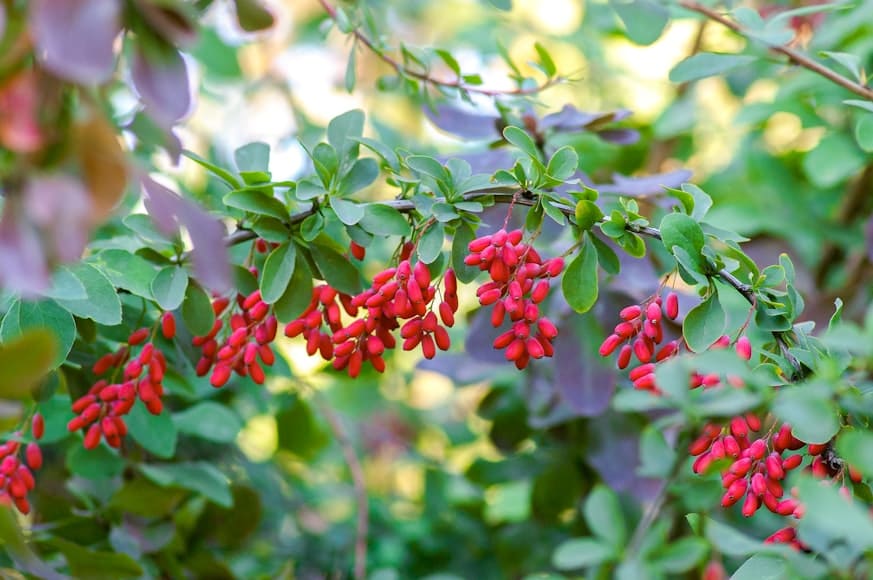
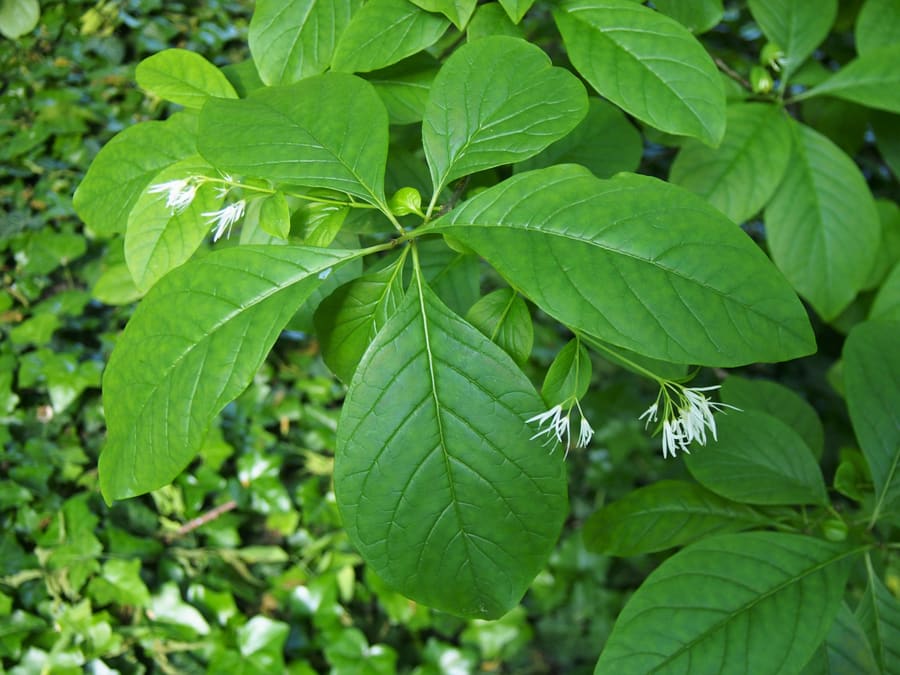
- About
- Barberry has a high content of berberine, an alkaloid. It is a thorny, deciduous shrub reaching about 10 ft (3 m) in height, with tough, leathery leaves, small yellow flowers, and bright red berries in autumn. The bark (both stem and root) is the most commonly used medicinal part, though the berries are also employed in traditional remedies.Fringe tree is a deciduous shrub or tree growing to 33 feet with elliptical dark green leaves, long flowering stems bearing spikes of white flowers, and dark blue oval fruits. Native to the United States and now also found in eastern Asia, it grows from Pennsylvania south to Florida and Texas and thrives on riverbanks and in damp shrubby areas. The root is unearthed in spring or autumn, mostly in Virginia and North Carolina.
- Safety & precautions
- Pregnancy & Emaciation: Barberry is not recommended during pregnancy or for those in an emaciated or extremely weakened condition. Professional Supervision: Due to its strong alkaloid content, barberry should be used only under professional guidance.Should not be used in bile duct obstruction or pregnancy.
Safety text above is printed in full and is never abbreviated. For each plant’s complete precautions, drug and food interactions and preparation notes, open its own page - both are free.
Conditions that list both
Related comparisons
- Boldo (Peumus boldus) vs Fringe Tree (Chionanthus virginicus)
- Andrographis (Andrographis paniculata) vs Fringe Tree (Chionanthus virginicus)
- Fringe Tree (Chionanthus virginicus) vs Milk Thistle (Silybum marianum)
- Barberry (Berberis vulgaris) vs Boldo (Peumus boldus)
- Barberry (Berberis vulgaris) vs Olive (Olea europaea)