
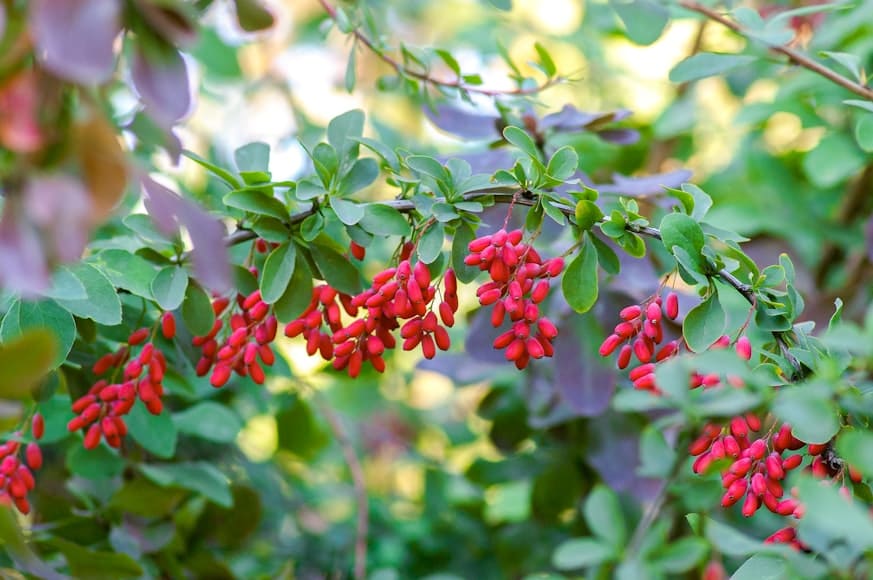
Barberry (Berberis vulgaris)
Photo: Unsplash
- Digestive
- 1 condition
- Licensed photo
Overview
Barberry has a high content of berberine, an alkaloid. It is a thorny, deciduous shrub reaching about 10 ft (3 m) in height, with tough, leathery leaves, small yellow flowers, and bright red berries in autumn. The bark (both stem and root) is the most commonly used medicinal part, though the berries are also employed in traditional remedies.
Safety & precautions
Pregnancy & Emaciation: Barberry is not recommended during pregnancy or for those in an emaciated or extremely weakened condition. Professional Supervision: Due to its strong alkaloid content, barberry should be used only under professional guidance.
Educational reference only - not medical advice. Herbs can interact with medications. Consult a qualified healthcare provider before use. Full disclaimer.
Drug interactions
Interaction data is not available for this herb - talk to a pharmacist before combining it with any medication. A blank entry here means we have not documented interactions, not that none exist.
Habitat
Native to Europe and naturalized in North America, barberry is often grown as a garden plant and cultivated for its medicinal properties. The bark is typically collected in spring or autumn, while the berries are harvested in autumn.
Traditionally used for
Each condition shows its first 2 remedies free. Premium opens the full remedy list for every condition - or come back for the free Condition of the Day.
Frequently asked questions
What safety cautions apply to Barberry (Berberis vulgaris)?
Pregnancy & Emaciation: Barberry is not recommended during pregnancy or for those in an emaciated or extremely weakened condition. Professional Supervision: Due to its strong alkaloid content, barberry should be used only under professional guidance.
Related herbs
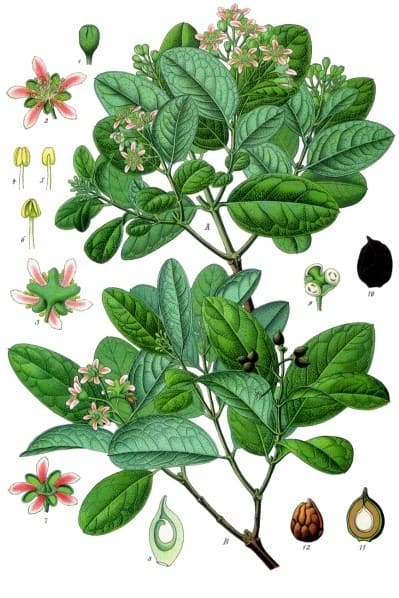 Boldo (Peumus boldus)Not for self-dosing
Boldo is a strongly aromatic multi-branched evergreen shrub or tree growing to 20 feet. It has egg-shaped leathery leaves with a lemony scent, clusters of white or yellow bell-shaped flowers, and small yellow berries. Native to Chile and Peru, it has become naturalized in the Mediterranean region and the West Coast of North America, where it grows on dry sunny slopes and in mountain pastures in the Andes. It is widely cultivated, and its leaves are gathered throughout the year.
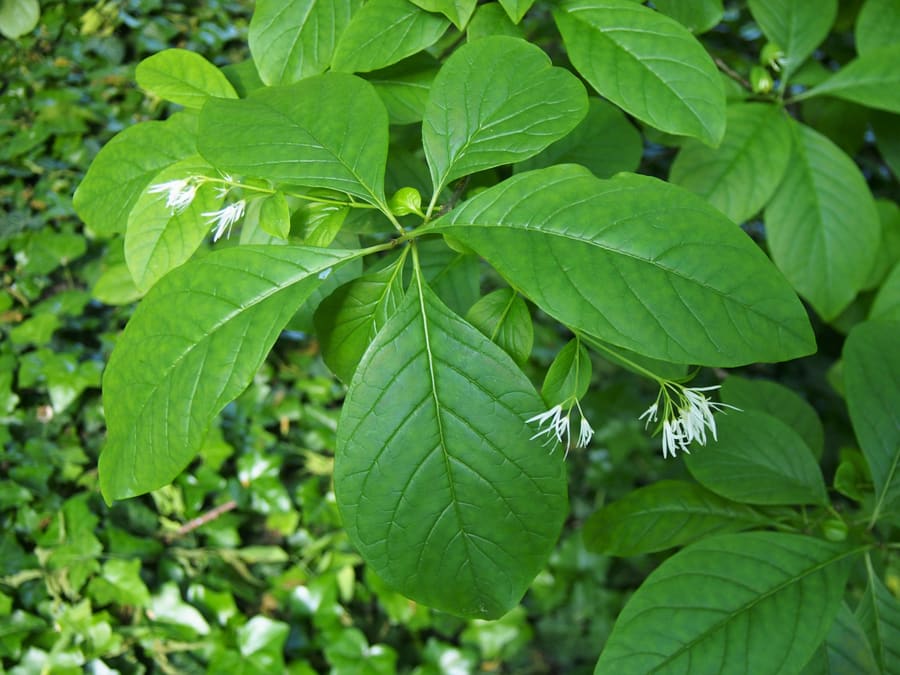 Fringe Tree (Chionanthus virginicus)
Fringe tree is a deciduous shrub or tree growing to 33 feet with elliptical dark green leaves, long flowering stems bearing spikes of white flowers, and dark blue oval fruits. Native to the United States and now also found in eastern Asia, it grows from Pennsylvania south to Florida and Texas and thrives on riverbanks and in damp shrubby areas. The root is unearthed in spring or autumn, mostly in Virginia and North Carolina.
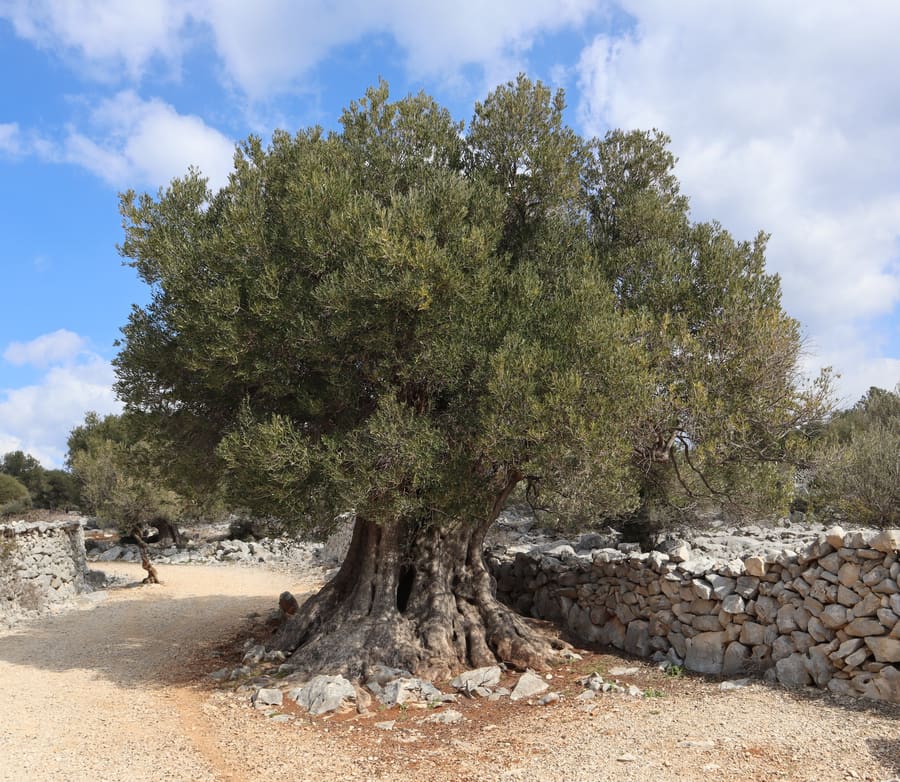 Olive (Olea europaea)
Olive (Olea europaea) is a small evergreen tree, typically 33 ft (10 m), with grayish bark, leathery leaves, and green fruit maturing to black. Olive oil is pressed from the fruit.
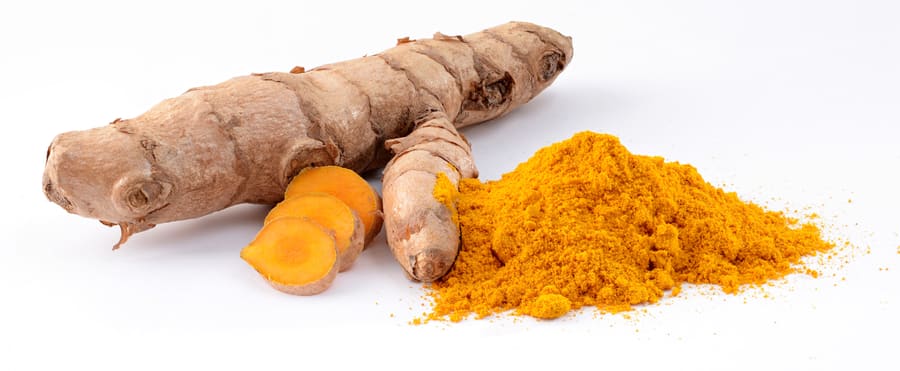 Turmeric (Curcuma longa)
Turmeric (Curcuma longa) is a perennial with a thick rhizome, growing to about 3 ft (90 cm), featuring lance-shaped leaves and pale yellow flowers. Renowned for its bright yellow-orange color, turmeric is a spice commonly employed in Indian cooking and in Ayurveda, where it has been used for indigestion, colds, skin infections, and arthritis. NCCIH says there isn't enough evidence to conclude that turmeric or curcumin is beneficial for any health purpose.