
Herb comparison
Barberry (Berberis vulgaris) vs Olive (Olea europaea)
Both plants are listed as traditional remedies for 1 of the same condition, which is why they are easy to confuse. Their descriptions and full safety notes are below, free.
- About
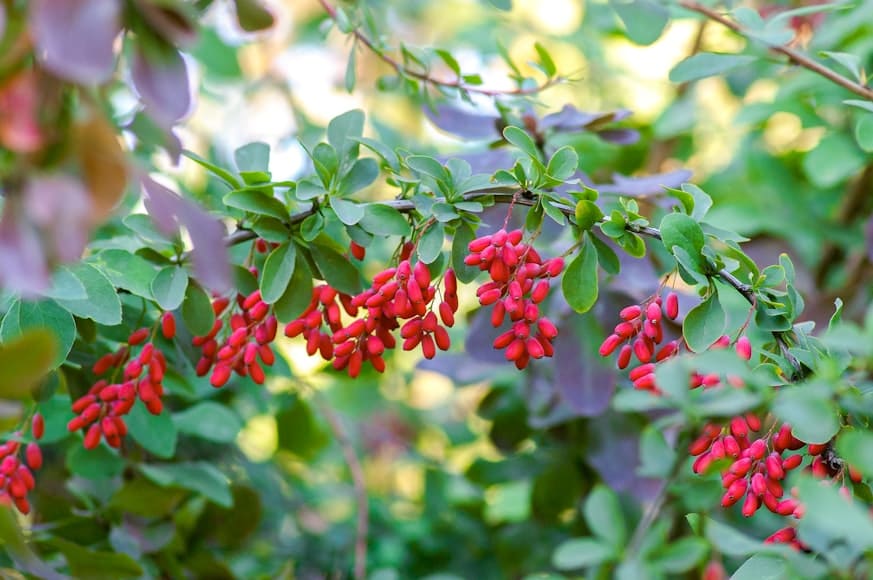
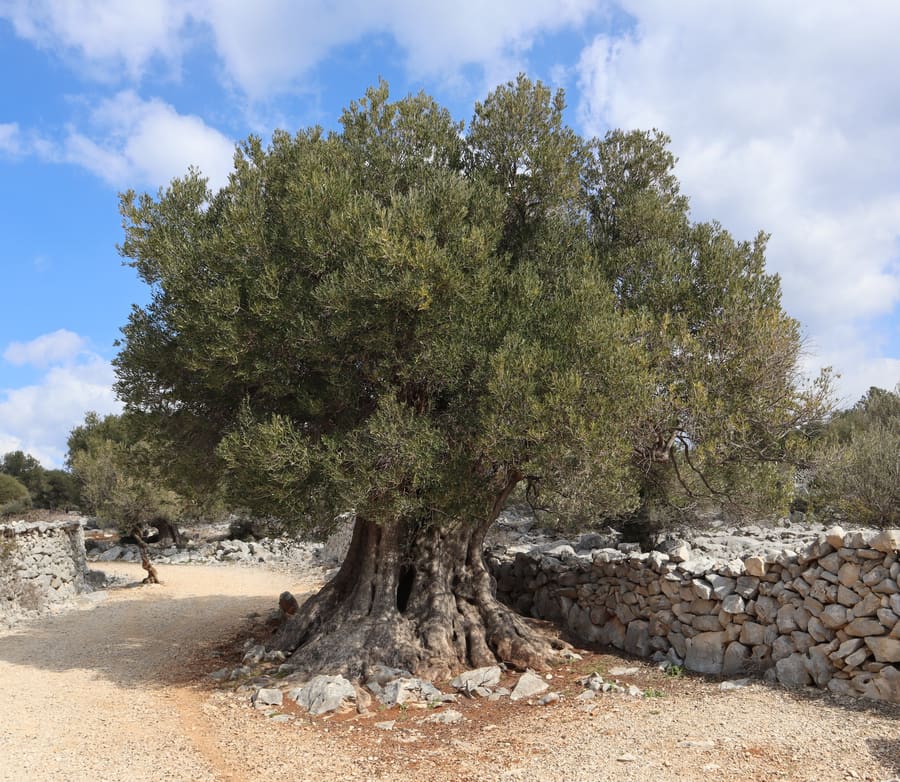
- Barberry has a high content of berberine, an alkaloid. It is a thorny, deciduous shrub reaching about 10 ft (3 m) in height, with tough, leathery leaves, small yellow flowers, and bright red berries in autumn. The bark (both stem and root) is the most commonly used medicinal part, though the berries are also employed in traditional remedies.Olive (Olea europaea) is a small evergreen tree, typically 33 ft (10 m), with grayish bark, leathery leaves, and green fruit maturing to black. Olive oil is pressed from the fruit.
- Safety & precautions
- Pregnancy & Emaciation: Barberry is not recommended during pregnancy or for those in an emaciated or extremely weakened condition. Professional Supervision: Due to its strong alkaloid content, barberry should be used only under professional guidance.Leaf Extracts: Ask a professional before taking olive leaf medicinally. Essential Oil: Rarely used from olives specifically; caution if using specialized extracts or medicinals.
Safety text above is printed in full and is never abbreviated. For each plant’s complete precautions, drug and food interactions and preparation notes, open its own page - both are free.