
Herb comparison
Fringe Tree (Chionanthus virginicus) vs Milk Thistle (Silybum marianum)
Both plants are listed as traditional remedies for 2 of the same conditions, which is why they are easy to confuse. Their descriptions and full safety notes are below, free.
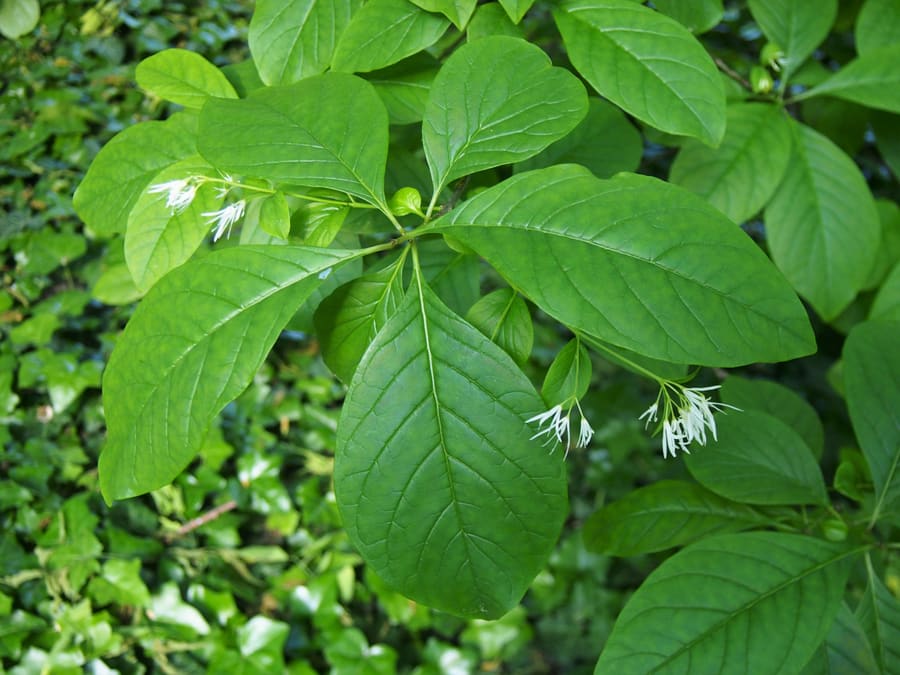
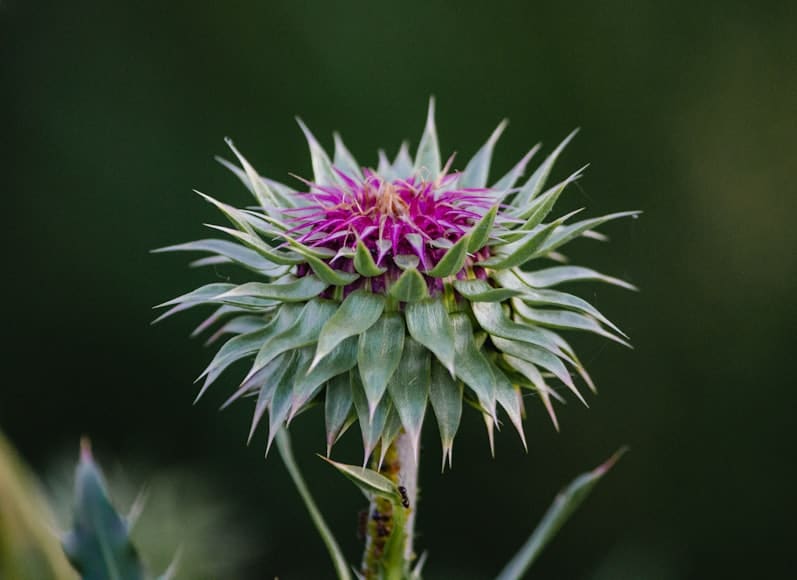
- About
- Fringe tree is a deciduous shrub or tree growing to 33 feet with elliptical dark green leaves, long flowering stems bearing spikes of white flowers, and dark blue oval fruits. Native to the United States and now also found in eastern Asia, it grows from Pennsylvania south to Florida and Texas and thrives on riverbanks and in damp shrubby areas. The root is unearthed in spring or autumn, mostly in Virginia and North Carolina.Milk thistle (Silybum marianum, sometimes Carduus marianus) is a tall biennial with spiny, white-veined leaves and purple, thistle-like flower heads. The main constituent of milk thistle extract is silymarin, and milk thistle was historically used for liver disorders and to increase breast milk production. NCCIH says trials in liver diseases, including hepatitis and fatty liver disease, have been conflicting or too limited to reach conclusions.
- Safety & precautions
- Should not be used in bile duct obstruction or pregnancy.Side Effects: May cause mild gastrointestinal upset or allergic reactions; MSK advises against it for people allergic to the daisy or ragweed family. Consult Professional: If undergoing chemotherapy or with severe liver conditions, seek guidance on concurrent use.
Safety text above is printed in full and is never abbreviated. For each plant’s complete precautions, drug and food interactions and preparation notes, open its own page - both are free.