
Herb comparison
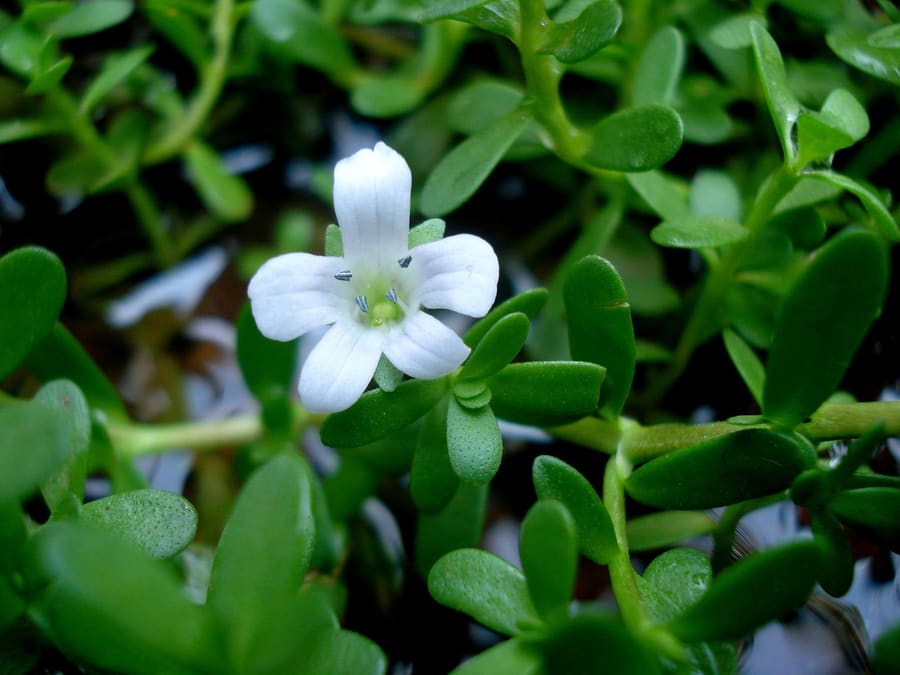
Bacopa (Bacopa monnieri) vs Kava (Piper methysticum)
Both plants are listed as traditional remedies for 2 of the same conditions, which is why they are easy to confuse. Their descriptions and full safety notes are below, free.
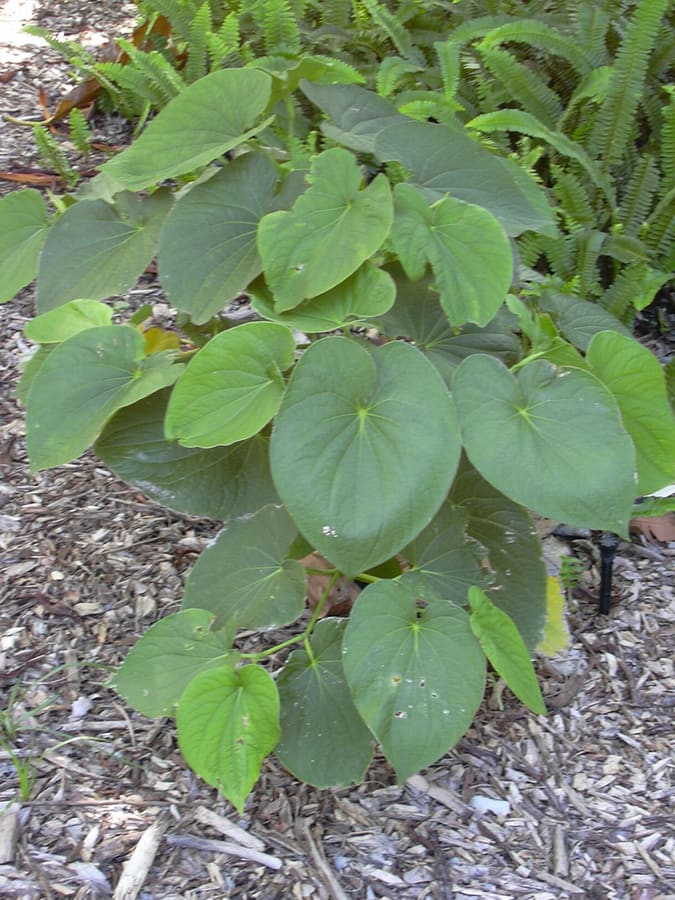
Kava (Piper methysticum) is restricted
Preparation amounts are not shown for this herb. It is toxic, restricted, or otherwise unsafe to self-dose - the margin between a traditional dose and a harmful one is too small to publish as reference material. If you are considering it, that conversation belongs with a doctor or a qualified practitioner, not a website.
- About
- Bacopa, also known as Water Hyssop or Brahmi, is a creeping succulent perennial that can grow to about 20 inches. It features spatula-shaped fleshy leaves and pale blue or white flowers on slender stalks. It thrives in marshlands and along the edges of mangrove swamps in warmer temperate and tropical climates, especially southern Asia, where it forms dense mats on mudflats.Kava (Piper methysticum), a member of the pepper family native to the South Pacific, has been made into ceremonial and medicinal drinks by Pacific Islanders for thousands of years. Kava products are promoted for anxiety and other health conditions; NCCIH says kava supplements may help anxiety, but there isn't enough evidence to show whether kava helps any other condition.
- Safety & precautions
- Not recommended for individuals with hyperthyroidism, as bacopa may influence thyroid function. Ask a pharmacist before combining it with any prescription medicine. Avoid during pregnancy and lactation unless under professional guidance.Liver injury: Rare but severe liver injury, including hepatitis, cirrhosis, liver failure needing a transplant, and death, has been reported with kava products. LiverTox puts kava in its top likelihood category (A) for causing liver injury, with symptoms usually starting within weeks to a few months of use. MSK describes a case of liver failure and transplant after about two months of use with no sign of overdosing. In March 2002 the U.S. FDA issued a consumer advisory on this risk, and several countries restricted kava or removed it from sale. Do not use kava if you have liver disease or drink alcohol, and talk to a doctor first if you take medicines that can affect the liver. Stop and get medical advice if you notice yellowing skin or eyes, dark urine, or unusual tiredness. Sedation: Kava can impair driving and adds to the effects of alcohol and sedatives. Pregnancy & Nursing: Not recommended. Legality: Subject to restrictions in many countries.
Safety text above is printed in full and is never abbreviated. For each plant’s complete precautions, drug and food interactions and preparation notes, open its own page - both are free.
Conditions that list both
Related comparisons
- Ashwagandha (Withania somnifera) vs Bacopa (Bacopa monnieri)
- Ashwagandha (Withania somnifera) vs Kava (Piper methysticum)
- Bacopa (Bacopa monnieri) vs Black Pepper (Piper nigrum)
- Bacopa (Bacopa monnieri) vs California Poppy (Eschscholzia californica)
- Bacopa (Bacopa monnieri) vs Codonopsis (Codonopsis pilosula)
- Bacopa (Bacopa monnieri) vs Coltsfoot (Tussilago farfara)