
Herb comparison
Arnica (Arnica montana) vs Siberian Ginseng (Eleutherococcus senticosus)
Both plants are listed as traditional remedies for 1 of the same condition, which is why they are easy to confuse. Their descriptions and full safety notes are below, free.
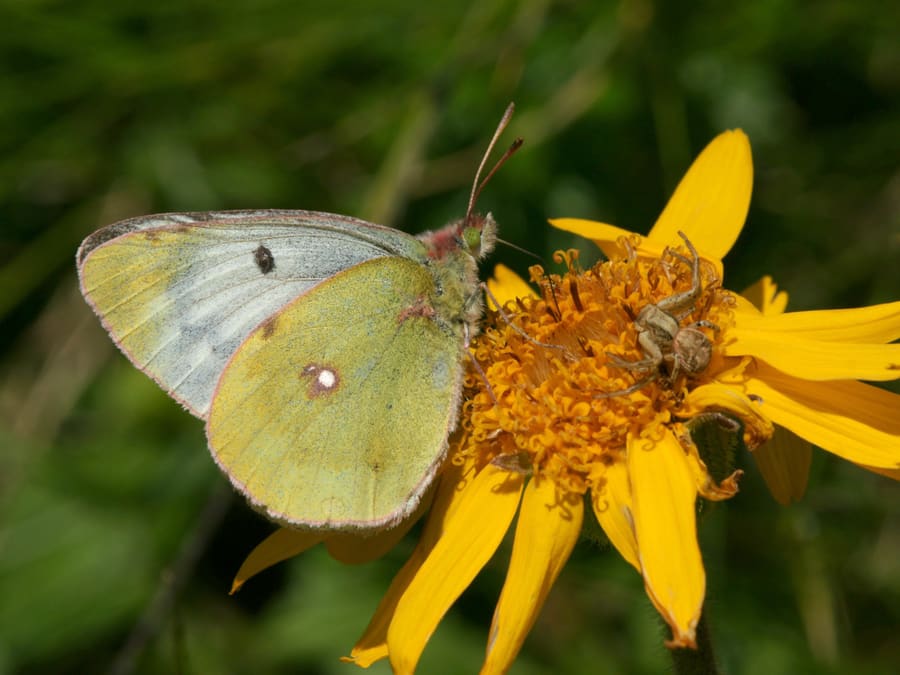
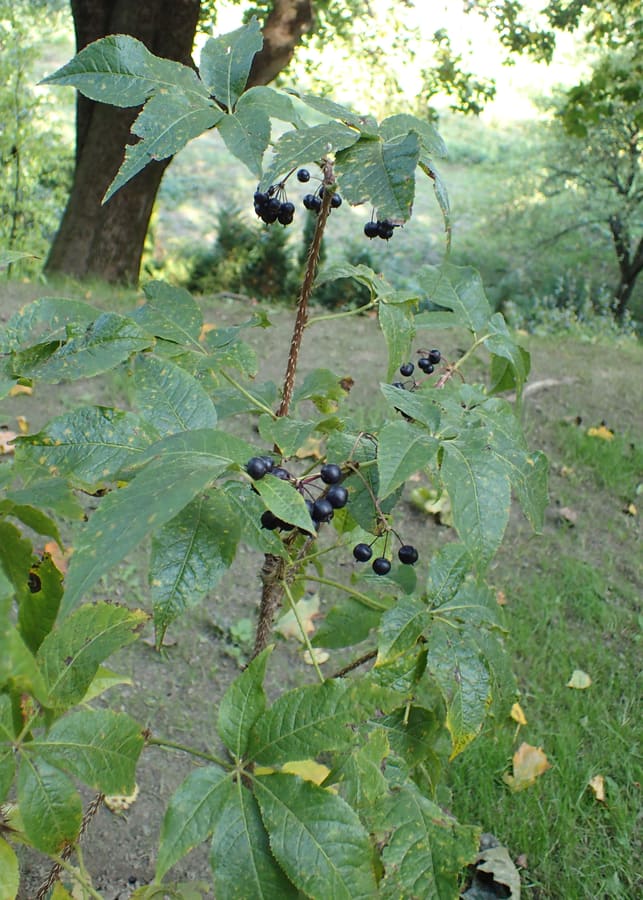
Arnica (Arnica montana) is restricted
Preparation amounts are not shown for this herb. It is toxic, restricted, or otherwise unsafe to self-dose - the margin between a traditional dose and a harmful one is too small to publish as reference material. If you are considering it, that conversation belongs with a doctor or a qualified practitioner, not a website.
- About
- Arnica is an aromatic perennial, usually about 1 ft (30 cm) high, with downy, oval-shaped leaves and bright yellow daisy-like flowers. Its flowers and roots have traditionally been used for bruises, sprains, arthritic pain and muscle aches, and a highly diluted form is used in homeopathy; MSK says a few clinical trials suggest topical arnica may help osteoarthritis and bruising, but rigorous research on homeopathic arnica is still needed. Arnica taken internally can be toxic (see precautions).Siberian ginseng (Eleutherococcus senticosus), also called Eleuthero, is a deciduous, hardy shrub reaching up to about 10 ft (3 m). It features 3-7 toothed leaflets per stem and spiny branches. Regarded as an adaptogen, Siberian ginseng has been used traditionally as an adaptogen, performance enhancer and immunostimulant; MSK says studies in humans are quite limited.
- Safety & precautions
- Toxicity (internal use): Arnica tincture can be toxic even at low dosages and should only be taken under professional supervision and in a highly diluted form. Skin application: Neither the herb nor homeopathic arnica should be applied to broken skin. Extended external use may cause dermatitis in sensitive people due to the sesquiterpene lactones it contains. Pregnancy & Nursing: Should not be used internally during pregnancy or while nursing. High Doses: Can lead to symptoms such as dizziness, tremors, irregular heartbeat (tachycardia, arrhythmia), and possibly collapse. Legal Restrictions: Arnica is subject to regulatory controls in certain countries.Duration: Do not take it long term without professional advice. Caffeine: Avoid combining with caffeinated products, as overstimulation may occur. Possible Side Effects: Exceeding the recommended dose can lead to irritability or insomnia. Medicines & Breastfeeding: MSK says it can increase the risk of side effects from digoxin, and advises avoiding it while breastfeeding.
Safety text above is printed in full and is never abbreviated. For each plant’s complete precautions, drug and food interactions and preparation notes, open its own page - both are free.
Conditions that list both
Related comparisons
- Arnica (Arnica montana) vs Corydalis (Corydalis yanhusuo)
- Arnica (Arnica montana) vs Lobelia (Lobelia inflata)
- Arnica (Arnica montana) vs Myrrh (Commiphora molmol)
- Arnica (Arnica montana) vs Solomon’s Seal (Polygonatum multiflorum)
- Ashwagandha (Withania somnifera) vs Siberian Ginseng (Eleutherococcus senticosus)