
Herb comparison
Arnica (Arnica montana) vs Lobelia (Lobelia inflata)
Both plants are listed as traditional remedies for 1 of the same condition, which is why they are easy to confuse. Their descriptions and full safety notes are below, free.
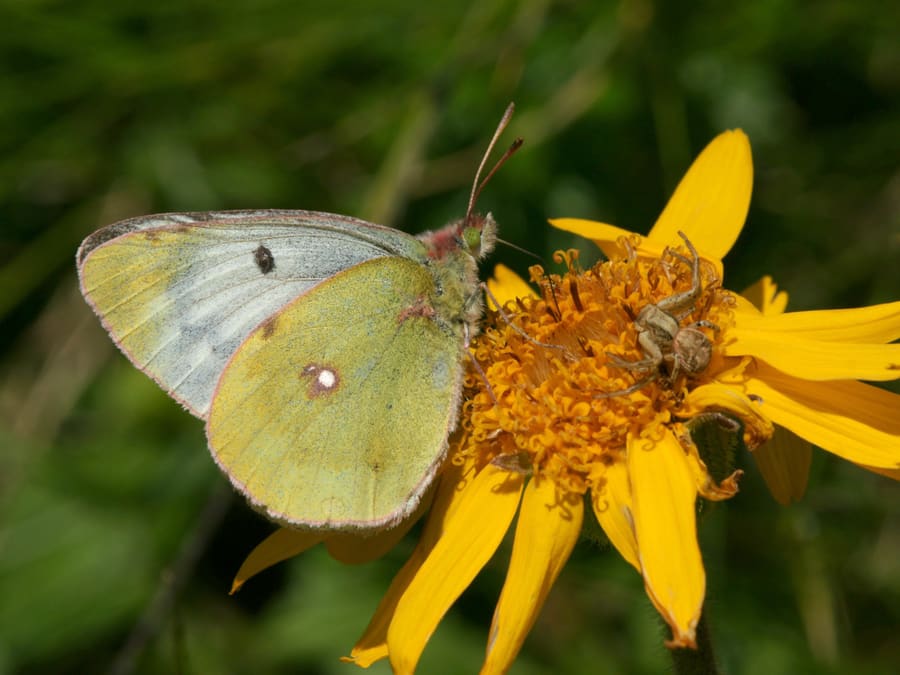
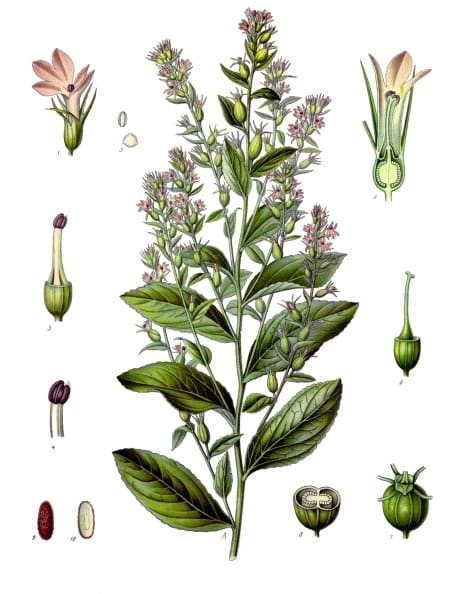
Arnica (Arnica montana) and Lobelia (Lobelia inflata) are restricted
Preparation amounts are not shown for this herb. It is toxic, restricted, or otherwise unsafe to self-dose - the margin between a traditional dose and a harmful one is too small to publish as reference material. If you are considering it, that conversation belongs with a doctor or a qualified practitioner, not a website.
- About
- Arnica is an aromatic perennial, usually about 1 ft (30 cm) high, with downy, oval-shaped leaves and bright yellow daisy-like flowers. Its flowers and roots have traditionally been used for bruises, sprains, arthritic pain and muscle aches, and a highly diluted form is used in homeopathy; MSK says a few clinical trials suggest topical arnica may help osteoarthritis and bruising, but rigorous research on homeopathic arnica is still needed. Arnica taken internally can be toxic (see precautions).Lobelia is an annual herb growing to 20 inches with lance-shaped leaves and pale blue, pink-tinged flowers. It was used as a 'puke weed' to induce vomiting. Lobelia was also smoked as a substitute for tobacco and was reputed to share some of its magical qualities. Indigenous to North America, especially eastern parts of the United States, it grows by roadsides and in neglected areas, preferring acid soil. The aerial parts are harvested in early autumn when the seed capsules are most numerous and are carefully dried. Its use was later championed by the American herbalist Samuel Thomson (1769-1843), who made the herb the mainstay of his therapeutic system, mainly using it to induce vomiting.
- Safety & precautions
- Toxicity (internal use): Arnica tincture can be toxic even at low dosages and should only be taken under professional supervision and in a highly diluted form. Skin application: Neither the herb nor homeopathic arnica should be applied to broken skin. Extended external use may cause dermatitis in sensitive people due to the sesquiterpene lactones it contains. Pregnancy & Nursing: Should not be used internally during pregnancy or while nursing. High Doses: Can lead to symptoms such as dizziness, tremors, irregular heartbeat (tachycardia, arrhythmia), and possibly collapse. Legal Restrictions: Arnica is subject to regulatory controls in certain countries.Take only when prescribed by a medical herbalist or doctor and do not eat the fresh plant. Excessive ingestion is rare (vomiting normally occurs first) but can be fatal. Restricted herb in some countries. The FDA considers lobelia to be poisonous, and many sources claim it will cause convulsions, coma, and death. Lobelia is an emetic and makes you throw up if you take too much. It can produce severe symptoms (nausea, profuse sweating, vomiting, and deep relaxation). However, because of these effects, lobelia is not recommended for weak, debilitated persons or persons who are deeply relaxed. Not recommended for long-term use and should be used cautiously during pregnancy.
Safety text above is printed in full and is never abbreviated. For each plant’s complete precautions, drug and food interactions and preparation notes, open its own page - both are free.
Conditions that list both
Related comparisons
- Bacopa (Bacopa monnieri) vs Lobelia (Lobelia inflata)
- Coltsfoot (Tussilago farfara) vs Lobelia (Lobelia inflata)
- Corydalis (Corydalis yanhusuo) vs Lobelia (Lobelia inflata)
- Arnica (Arnica montana) vs Corydalis (Corydalis yanhusuo)
- Arnica (Arnica montana) vs Myrrh (Commiphora molmol)
- Arnica (Arnica montana) vs Siberian Ginseng (Eleutherococcus senticosus)