
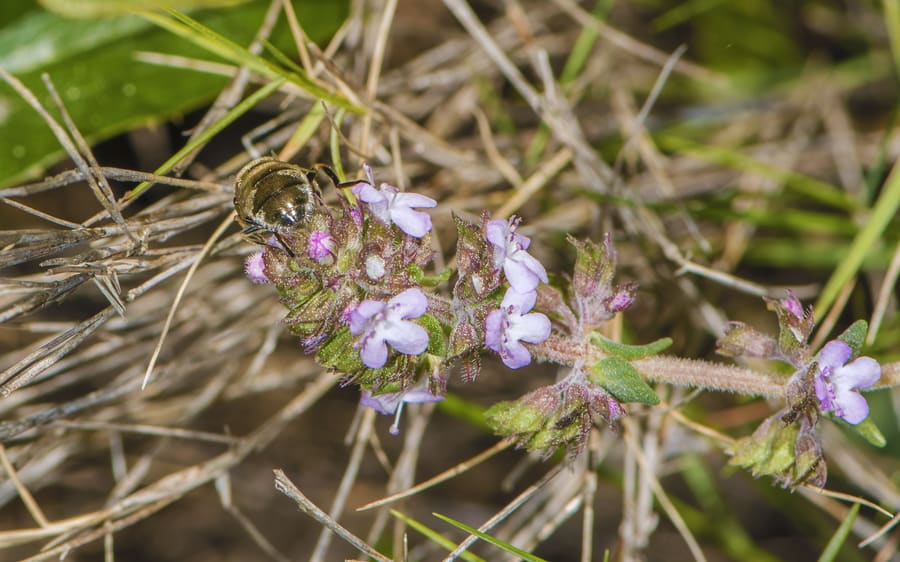
Thyme (Thymus vulgaris)
Photo: Christian Ferrer · CC BY-SA 4.0
- General
- 1 condition
- Licensed photo
Overview
Thyme (Thymus vulgaris) is a low-growing aromatic shrub, about 16 in (40 cm) tall, with woody stems, small elliptic leaves, and pinkish flowers. It is a classic culinary herb.
Traditional uses & properties
Constituents: Contains thymol and carvacrol.
Safety & precautions
Pregnancy: Avoid large doses. Essential Oil (Internal Use): Irritating to mucous membranes; only use internally under professional guidance. Skin Irritation: Potential if used undiluted on sensitive skin.
Educational reference only - not medical advice. Herbs can interact with medications. Consult a qualified healthcare provider before use. Full disclaimer.
Drug interactions
Interaction data is not available for this herb - talk to a pharmacist before combining it with any medication. A blank entry here means we have not documented interactions, not that none exist.
Habitat
Native to southern Europe, thyme is cultivated widely in sunny, chalky soils. Harvest the aerial parts in summer at peak flowering.
Traditionally used for
Each condition shows its first 2 remedies free. Premium opens the full remedy list for every condition - or come back for the free Condition of the Day.
Frequently asked questions
What is Thyme (Thymus vulgaris) traditionally used for?
Traditional sources describe Thyme (Thymus vulgaris) as follows: Constituents: Contains thymol and carvacrol.
What safety cautions apply to Thyme (Thymus vulgaris)?
Pregnancy: Avoid large doses. Essential Oil (Internal Use): Irritating to mucous membranes; only use internally under professional guidance. Skin Irritation: Potential if used undiluted on sensitive skin.
Related herbs
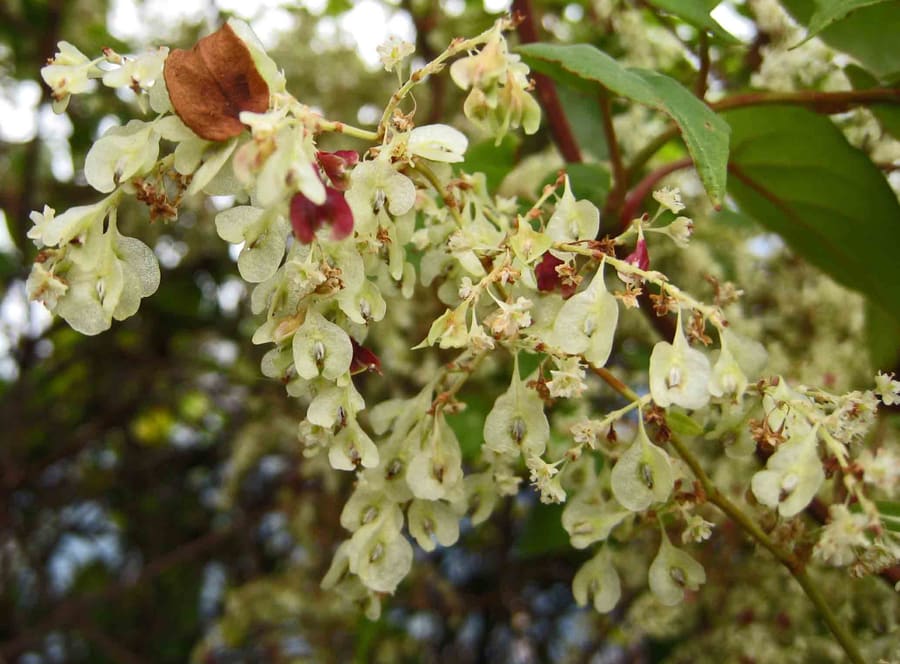 Fo Ti (Polygonum multiflorum)Not for self-dosing
Fo ti (Polygonum multiflorum), also known as he shou wu, is a perennial vine used in Traditional Chinese Medicine (TCM).
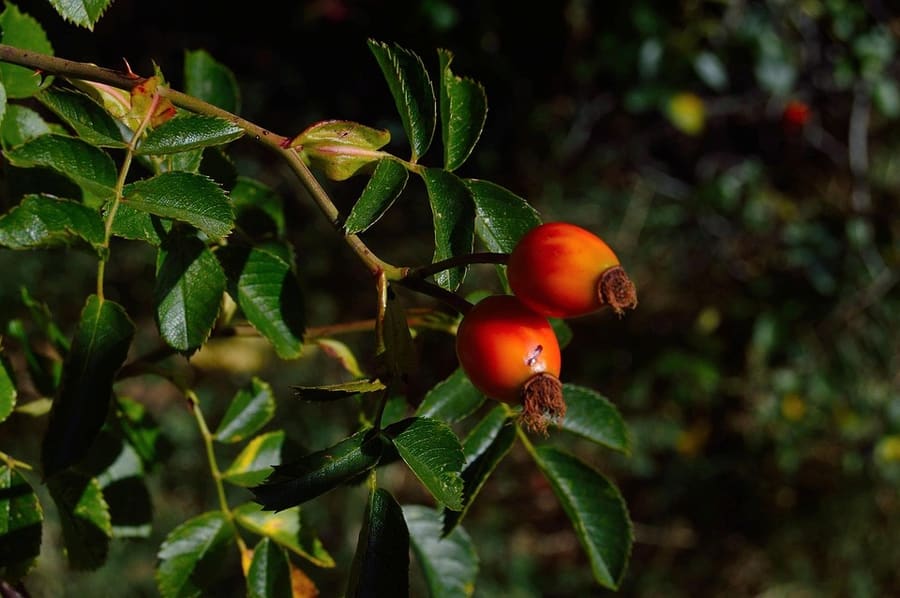 Goji Berry (Lycium chinense)
Goji berry (Lycium barbarum) is a deciduous shrub that can grow up to about 13 ft (4 m), bearing bright green leaves and vivid scarlet berries. Goji berries have been used in Traditional Chinese Medicine, with references stretching back to the 1st century CE. The berries are rich in vitamins, polysaccharides, and carotenoids.