
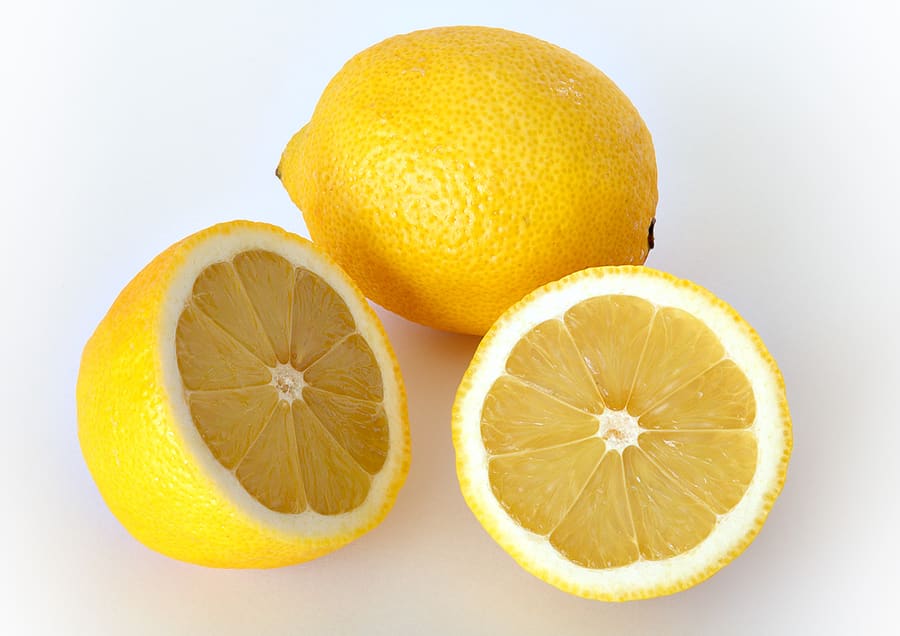
Lemon (Citrus limon)
Photo: André Karwath aka Aka · CC BY-SA 2.5
- Digestive
- 2 conditions
- Licensed photo
Overview
Lemon (Citrus limon) is a small, evergreen tree with light-green, toothed leaves, fragrant white blossoms, and bright yellow fruit. The fruit is high in vitamin C. Lemon is used to flavor countless foods and beverages.
Traditional uses & properties
Nutrients: Contains vitamin C.
Safety & precautions
Essential Oil (Internal Use): Avoid ingesting unless professionally supervised. Skin Sensitivity: Juice or oil can irritate skin if applied externally in high concentrations or if exposed to sunlight after use.
Educational reference only - not medical advice. Herbs can interact with medications. Consult a qualified healthcare provider before use. Full disclaimer.
Drug interactions
Interaction data is not available for this herb - talk to a pharmacist before combining it with any medication. A blank entry here means we have not documented interactions, not that none exist.
Habitat
Likely originating in India, the lemon tree now grows in many Mediterranean and subtropical regions globally. It’s propagated from seed in spring, needing well-drained soil and abundant sunlight. Lemons are usually harvested in winter when vitamin C is highest.
Traditionally used for
Each condition shows its first 2 remedies free. Premium opens the full remedy list for every condition - or come back for the free Condition of the Day.
Frequently asked questions
What is Lemon (Citrus limon) traditionally used for?
Traditional sources describe Lemon (Citrus limon) as follows: Nutrients: Contains vitamin C.
What safety cautions apply to Lemon (Citrus limon)?
Essential Oil (Internal Use): Avoid ingesting unless professionally supervised. Skin Sensitivity: Juice or oil can irritate skin if applied externally in high concentrations or if exposed to sunlight after use.
Related herbs
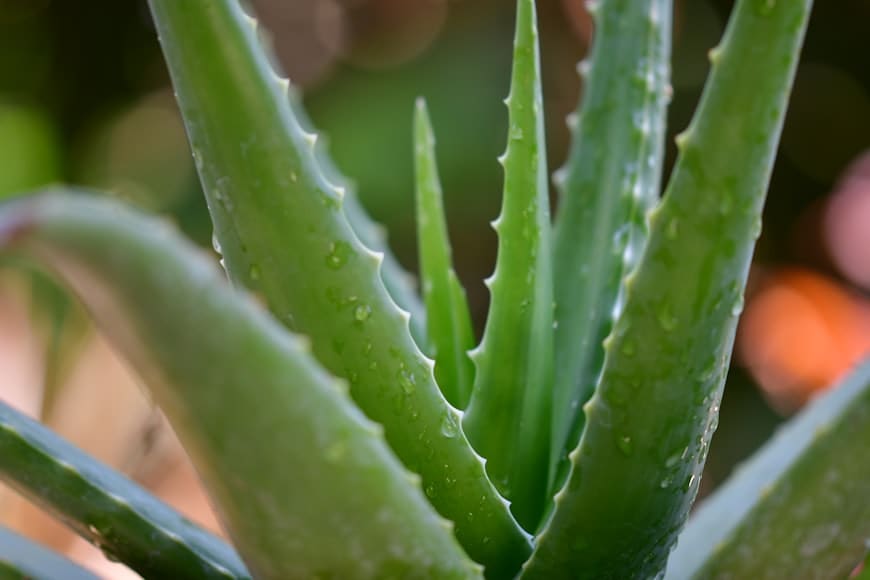 Aloe (Aloe vera)
Aloe vera (syn. A. barbadensis) is a succulent commonly grown as a potted plant, notable for its thick, fleshy leaves that contain two distinct medicinal components. Historically, the inner clear gel was used for skin conditions and to promote wound healing (NCCIH), while the bitter yellow sap from the leaf base, often called “bitter aloes,” is a strong laxative.
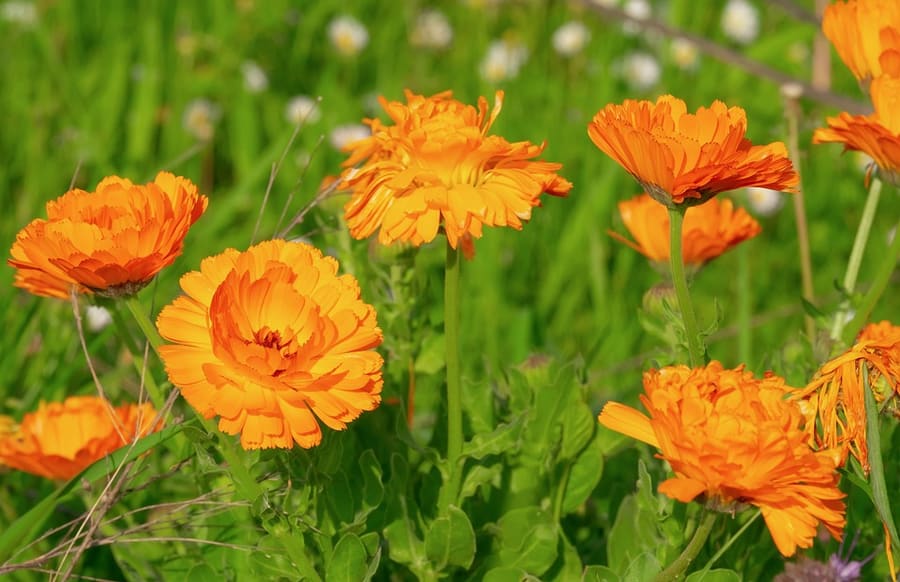 Calendula (Calendula officinalis)
Calendula (Calendula officinalis) has bright orange daisy-like flowers.
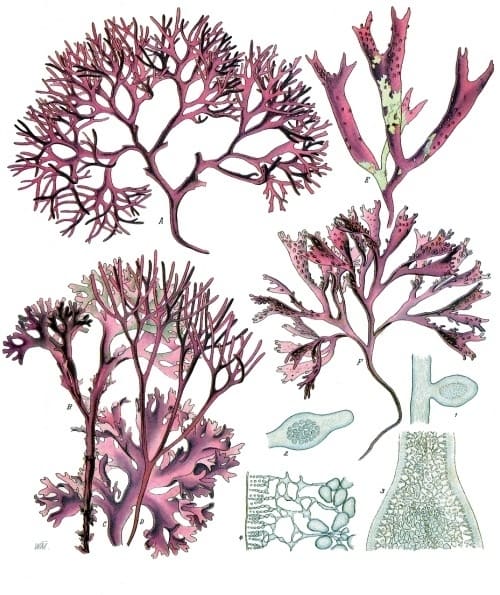 Irish Moss (Chondrus crispus)
Irish moss is a reddish-brown seaweed growing to 10 inches, with a flat, forked plant body and fan-shaped outline. Found on the Atlantic coasts of Europe and North America, it grows just below the waterline, attached to rocks and stones. In summer in North America and in autumn in Ireland, it is pulled up by hand or with a rake at low tide and dried in the sun. This seaweed is used extensively in the food and pharmaceutical industries as an emulsifying and binding agent, appearing in products such as toothpastes. Its polysaccharides become jelly-like when immersed in water, which makes it useful as a food ingredient.
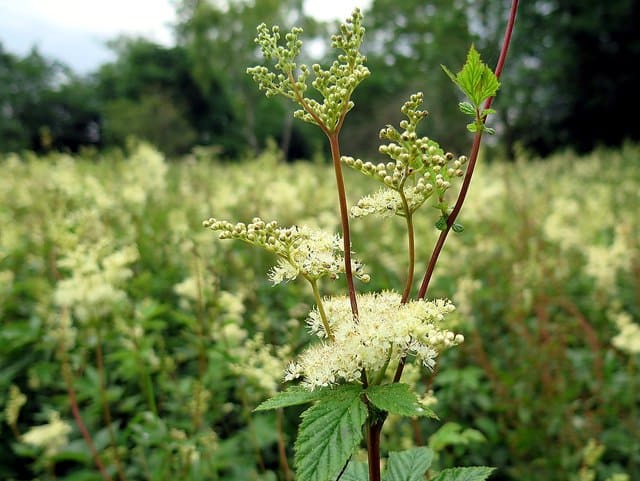 Meadowsweet (Filipendula ulmaria)
Meadowsweet (Filipendula ulmaria) is a perennial reaching about 5 ft (1.5 m), with toothed leaves and sweetly scented clusters of creamy-white flowers. Known historically as a strewing herb, meadowsweet contains salicylates, compounds related to aspirin.
 Oats (avena sativa)
Oats (Avena sativa) is an annual grass reaching about 3 ft (1 m), bearing hollow stems, blade-like leaves, and seeds (grain) used widely in cereal. The milky seeds are harvested before maturity. Oat straw is rich in silica.
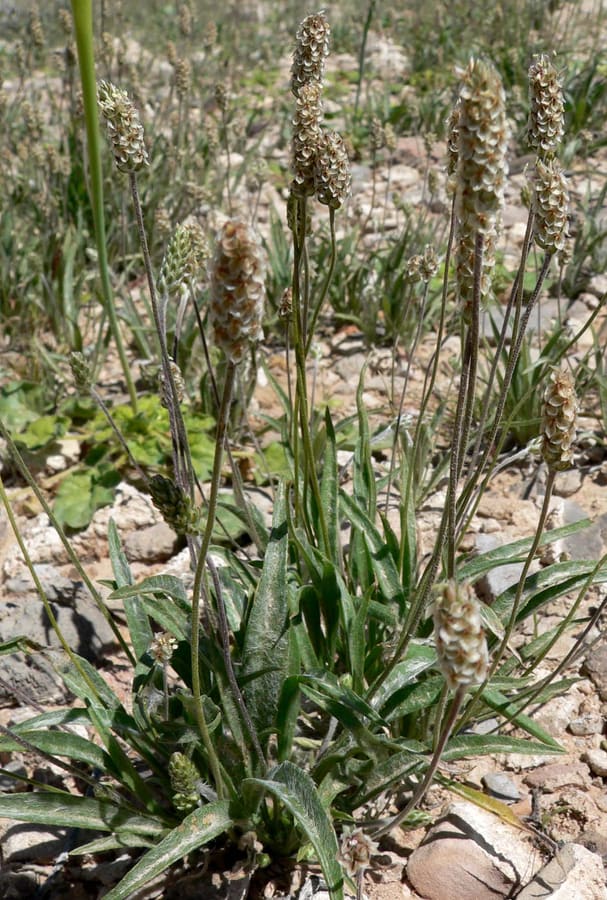 Psyllium (Plantago ovata)
Psyllium, also known as flea seed due to its small brown appearance, is produced by several Plantago species. It has long been used as a laxative, and MedlinePlus lists it as a bulk-forming laxative used to treat constipation. The seeds and husks have a bland taste and develop a jellylike consistency when moistened due to their high mucilage content. The plants are extensively cultivated, especially in India, and propagated from seed in spring. Seeds are harvested when ripe in late summer and early autumn.
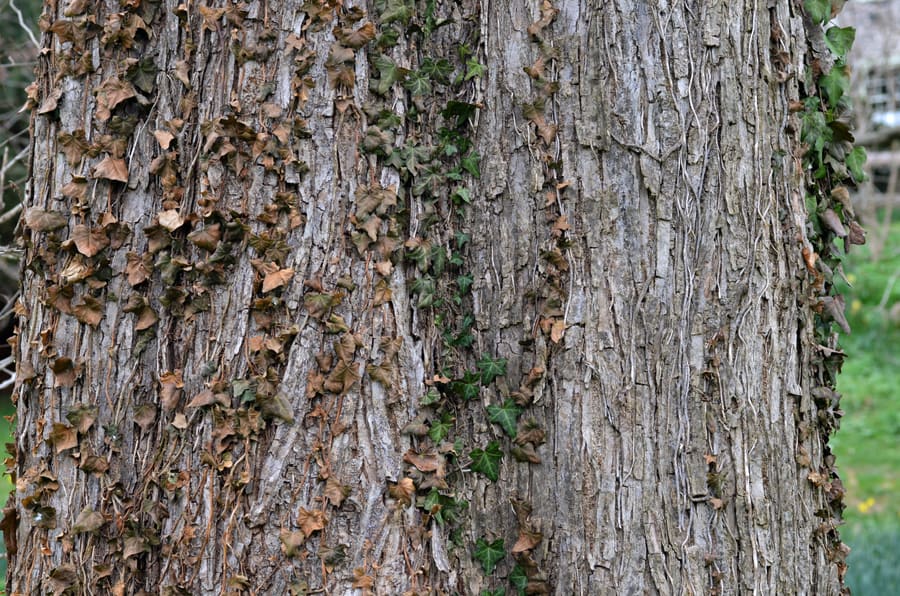 Slippery Elm (Ulmus rubra)
Slippery elm (Ulmus rubra) is a large tree native to the eastern U.S. and Canada. The medicinal part is the inner bark, prized for its high mucilage content. When soaked in water, it turns “slippery”; this mucilage is traditionally used to soothe the throat and digestive tract, and MSK says slippery elm may help relieve minor cough or sore throat, but there is no evidence it can treat infections or other serious medical conditions.