
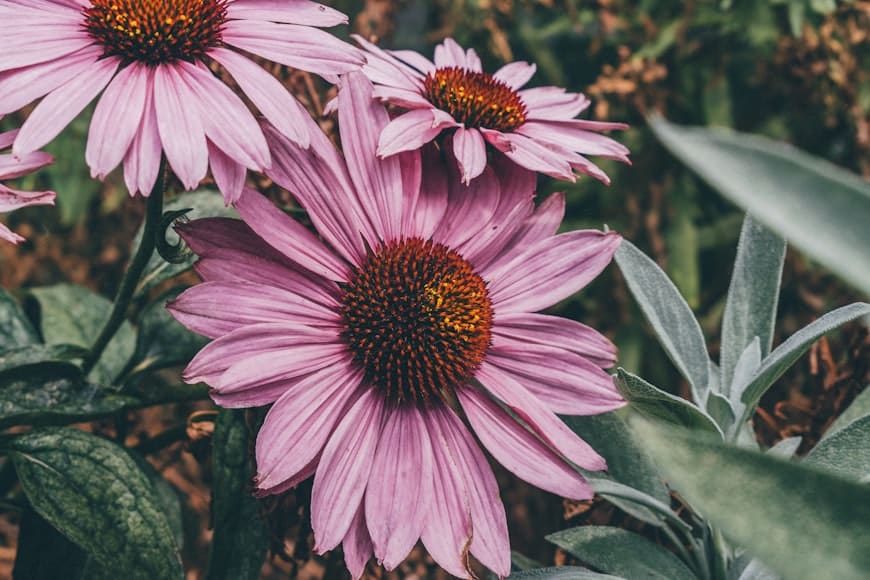
Echinacea (Echinacea spp.)
Photo: Unsplash
- Respiratory
- 1 condition
- Licensed photo
Overview
Echinacea (especially E. angustifolia and E. purpurea) is a perennial promoted today for colds on the idea that it may stimulate the immune system; NCCIH says taking echinacea may slightly reduce the chance of catching a cold, but it is still unclear whether it shortens a cold. Native Americans used echinacea for respiratory tract infections, tooth pain and snakebite; NCCIH says it is unclear whether echinacea helps other health conditions, including eczema.
Traditional uses & properties
Immune System: Native Americans used it for respiratory tract infections, and it is promoted today on the idea that it may stimulate the immune system; NCCIH says it may slightly reduce the chance of catching a cold, but it is unclear whether it shortens one.
Safety & precautions
Allergy & Side Effects: NCCIH says echinacea is likely safe for most adults for short periods, but allergic reactions, which may be severe, can occur, and digestive upset is the most common side effect. It may also cause tingling in the throat. Autoimmune Disorders: Use with caution; strong immune stimulation might exacerbate certain autoimmune conditions. Mouth Sensation: Extracts often produce a scratchy sensation in the mouth or excess salivation.
Educational reference only - not medical advice. Herbs can interact with medications. Consult a qualified healthcare provider before use. Full disclaimer.
Drug interactions
NCCIH describes conflicting evidence for drugs processed by the liver and theoretical concerns with immunosuppressants and caffeine. LiverTox says echinacea-drug interactions are not well defined. [1, 2]
- Immunosuppressants
- NCCIH calls this a theoretical concern. ODS says echinacea might make these drugs less effective because it may stimulate the immune system, and MSK names tacrolimus and cyclosporine. [1, 3, 4]
- Medicines broken down by liver enzymes
- The evidence conflicts (NCCIH). ODS notes echinacea might raise CYP activity and lower levels of some drugs, while LiverTox says effects on CYP1A2 and 3A4 have not been shown to matter clinically. [1, 2, 3]
- Caffeine
- A theoretical interaction according to NCCIH. [1]
- Etoposide
- MSK describes a patient on etoposide who developed a severe fall in platelets, thought likely to involve echinacea's effect on CYP3A4. [4]
- Docetaxel and digoxin
- Studies cited by MSK found that echinacea did not significantly change levels of either drug. [4]
- Tamoxifen and oseltamivir
- Laboratory studies suggest echinacea could reduce activation of these drugs; whether that matters for patients is undetermined. [4]
How to read this section: each entry is HerbMate's summary of what the cited sources report. Words such as "may", "theoretical" or "in laboratory or animal studies" mean the effect has not been confirmed in people, and "case report" means it was seen in one or a few patients. A medicine that is not listed here has not been shown to be safe with this herb. The numbers in brackets link to the sources at the foot of the page.
Habitat
Native to the central U.S., echinacea now appears in many regions as a cultivated herb. E. purpurea is grown widely in the U.S. and Europe, typically from seed in spring or by root division in winter, favoring rich, sandy soil. Leaves and flowers are harvested during bloom; roots from 4-year-old plants are dug in autumn. Because wild populations are threatened, only use sustainably cultivated or commercially grown echinacea.
Sources
The interaction notes and the statements on this page that name a source were written by HerbMate from these references, which were last checked in October 2026. They are summaries, not medical advice; ask a pharmacist about your own medicines.
Traditionally used for
Each condition shows its first 2 remedies free. Premium opens the full remedy list for every condition - or come back for the free Condition of the Day.
Frequently asked questions
What is Echinacea (Echinacea spp.) traditionally used for?
Traditional sources describe Echinacea (Echinacea spp.) as follows: Immune System: Native Americans used it for respiratory tract infections, and it is promoted today on the idea that it may stimulate the immune system; NCCIH says it may slightly reduce the chance of catching a cold, but it is unclear whether it shortens one.
What safety cautions apply to Echinacea (Echinacea spp.)?
Allergy & Side Effects: NCCIH says echinacea is likely safe for most adults for short periods, but allergic reactions, which may be severe, can occur, and digestive upset is the most common side effect. It may also cause tingling in the throat. Autoimmune Disorders: Use with caution; strong immune stimulation might exacerbate certain autoimmune conditions. Mouth Sensation: Extracts often produce a scratchy sensation in the mouth or excess salivation.
Related herbs
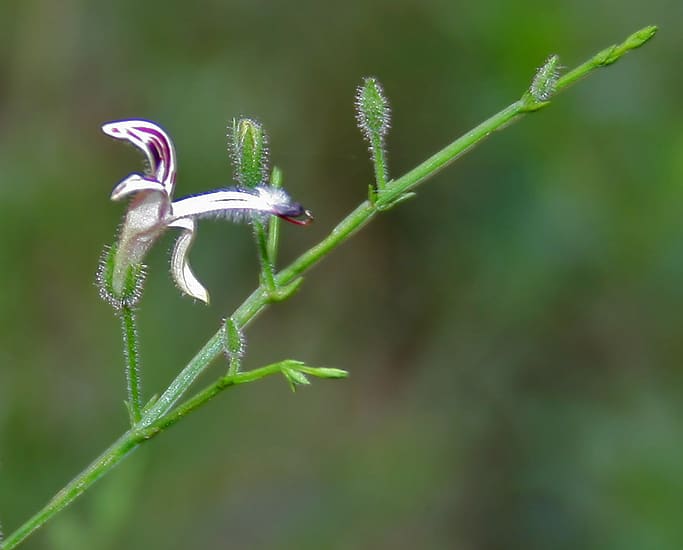 Andrographis (Andrographis paniculata)
Andrographis, commonly known as Green Chiretta or King of Bitters, is an upright annual herb reaching approximately 3 feet in height. Native to India and cultivated throughout northern regions of India and China, this bitter medicinal plant has been valued in Ayurvedic and traditional Chinese medicine for centuries. MSK notes that it has been studied mostly for colds, flu and upper respiratory infections. The plant thrives on plains and in forest undergrowth, where its spotted pale brown or purple flowers and long seed capsules distinguish it from other medicinal herbs.
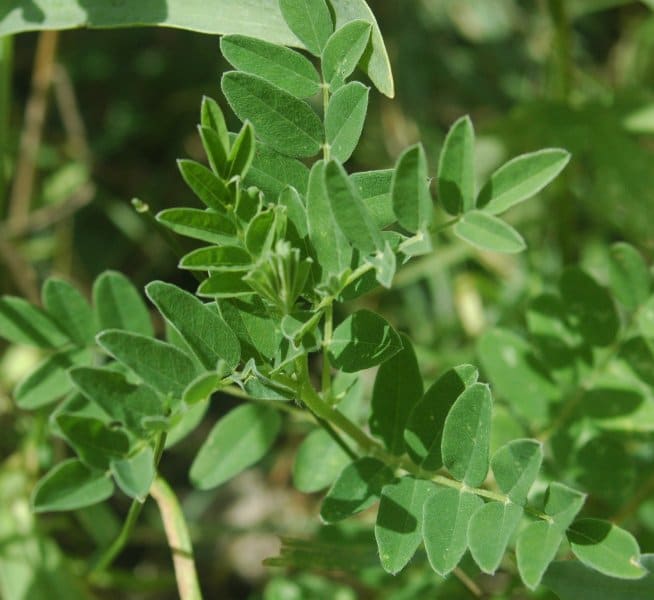 Astragalus (Astragalus membranaceus)
Astragalus (Astragalus membranaceus), known in China as huang qi, is a perennial reaching about 16 in (40 cm), with hairy stems and compound leaves composed of multiple leaflet pairs. Its root has been used for centuries in traditional Chinese medicine, often with other herbs, and NCCIH says it is promoted to improve the response of the immune system. NCCIH says there is not enough reliable evidence to know whether astragalus helps any health condition.
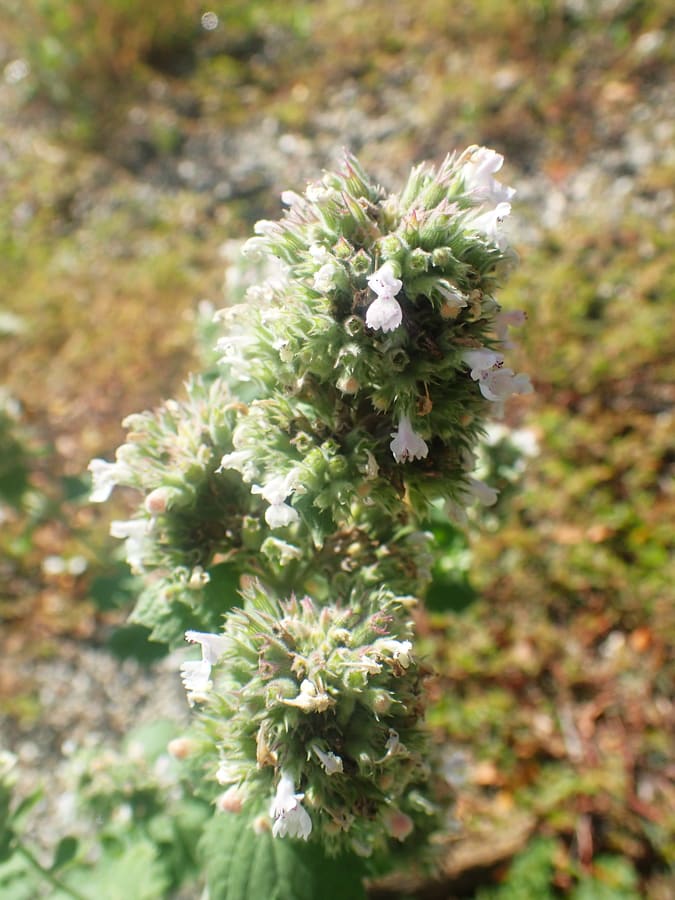 Catnip (Nepeta cataria)
Catnip is a downy, aromatic perennial growing to 3 feet with heart-shaped, gray-green leaves and whorls of white flowers marked with purple spots. Native to Europe and naturalized in North America, it grows in dry wayside places and mountainous regions up to altitudes of 5,000 feet. The plant is gathered when in flower during summer and autumn. Catnip has an excitatory effect on cats.
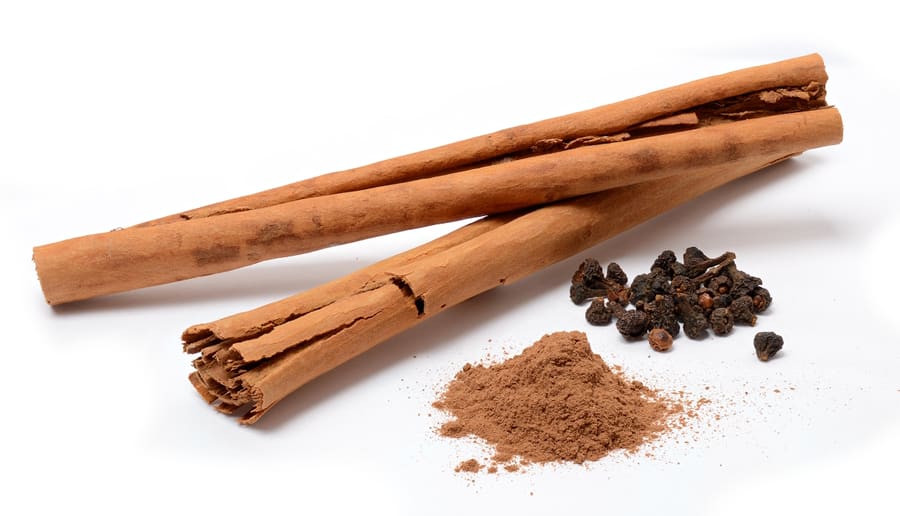 Cinnamon (Cinnamomum verum)
Cinnamon (Cinnamomum verum or C. zeylanicum) is a small evergreen tree, prized for its fragrant, sweet-spicy bark. Cinnamon has a long history of use in traditional medicine in China, India and Persia, where it was thought to help inflammation, nerve pain, heart disease and cough (NCCIH). NCCIH says research doesn't clearly support cinnamon for any health condition, and it is unclear whether it helps diabetes.
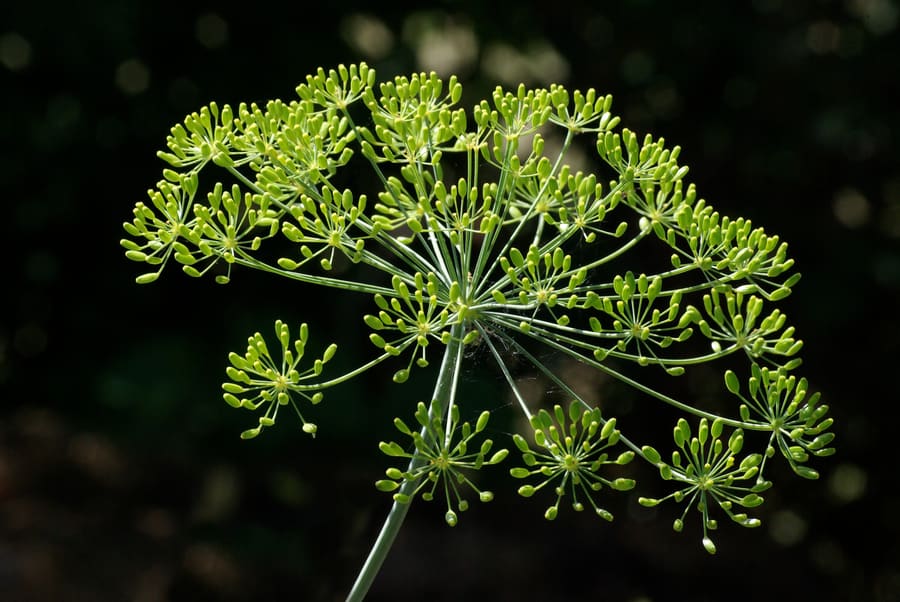 Dill (Anethum graveolens)
Dill is an aromatic annual growing to 30 inches with an erect hollow stem, feathery leaves, and numerous yellow flowers in umbels. Its very lightweight, pungent fruit (seeds) are harvested in late summer. Native to southern Europe and central and southern Asia, dill grows wild in open areas and is widely cultivated - notably in England, Germany, and North America. The leaves are picked as a culinary herb. Dill was commonly used as a charm against witchcraft in the Middle Ages, when it was burned to clear thunderclouds. Its name comes from the Norse 'dylla,' meaning 'to soothe.'
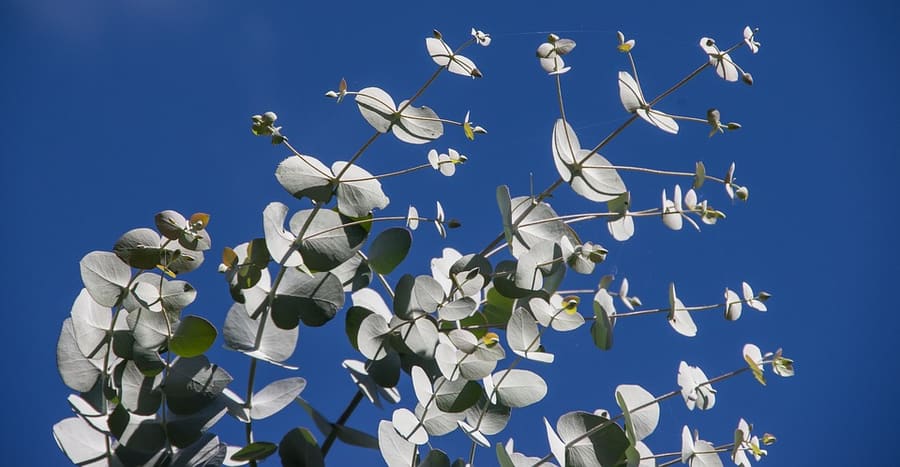 Eucalyptus (Eucalyptus globulus)
For many people the scent of eucalyptus conjures up days spent in bed during childhood with eucalyptus and other oils smothered on the chest. Eucalyptus is a common ingredient in many over-the-counter cold remedies.
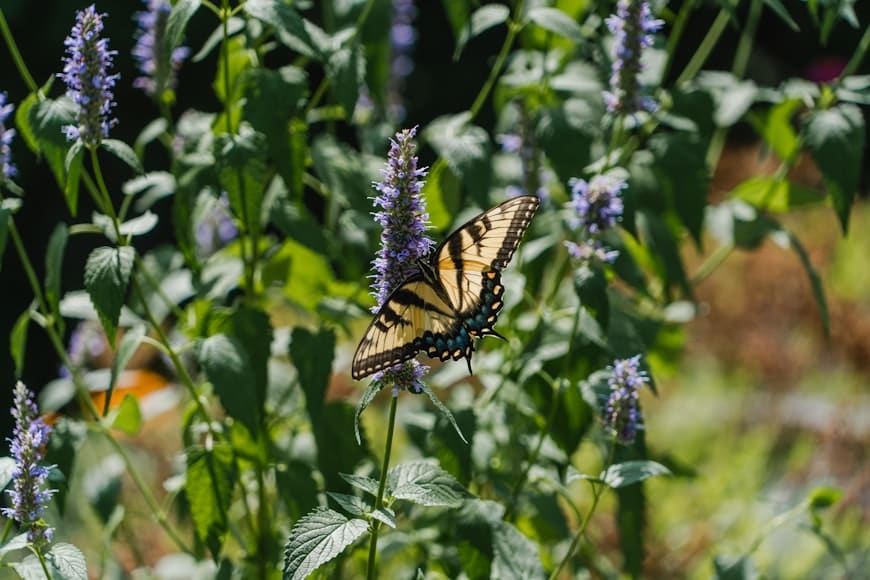 Hyssop (Hyssopus officinalis)
Hyssop (Hyssopus officinalis) is a semi-evergreen shrub growing up to about 2 ft (60 cm), with narrow leaves and clusters of bright blue, two-lipped flowers.
 Linden (Tilia europaea)
Linden comprises deciduous trees growing to a height of 100 feet with smooth gray bark, heart-shaped leaves, and clusters of pale yellow flowers with winglike bracts. Native to Europe, it is found in the wild but is also much planted in gardens and along roads. The flowers are collected in summer. Greek myth recounts how the nymph Philyra, devastated after being raped by the god Cronus in the guise of a horse and giving birth to the centaur Chiron, begged the gods not to leave her amongst mortals. The gods granted her wish by transforming her into a linden tree, forever linking this graceful species with transformation and divine mercy.