
Herb comparison
Psyllium (Plantago ovata) vs Stone Root (Collinsonia canadensis)
Both plants are listed as traditional remedies for 3 of the same conditions, which is why they are easy to confuse. Their descriptions and full safety notes are below, free.
- About
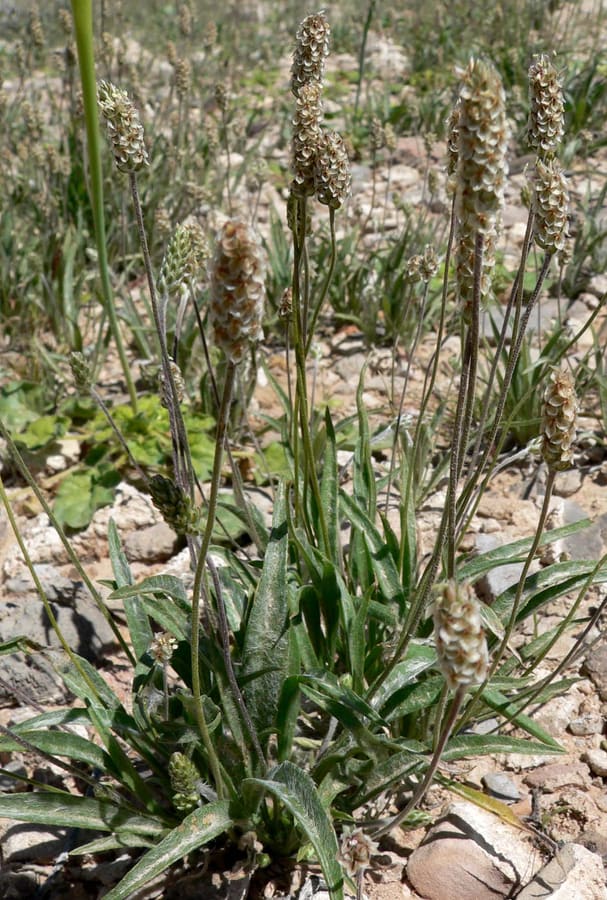
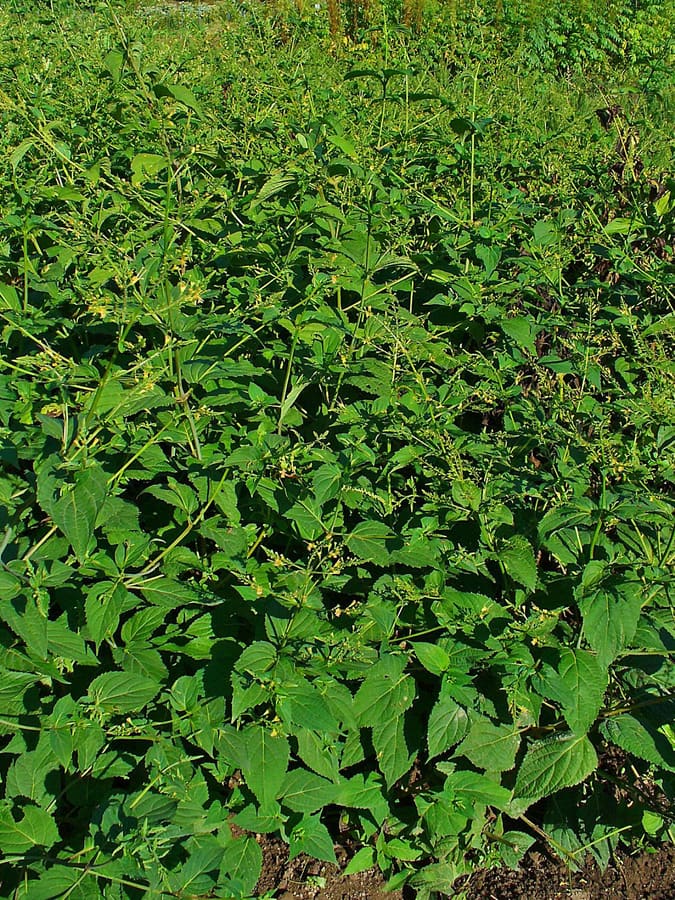
- Psyllium, also known as flea seed due to its small brown appearance, is produced by several Plantago species. It has long been used as a laxative, and MedlinePlus lists it as a bulk-forming laxative used to treat constipation. The seeds and husks have a bland taste and develop a jellylike consistency when moistened due to their high mucilage content. The plants are extensively cultivated, especially in India, and propagated from seed in spring. Seeds are harvested when ripe in late summer and early autumn.Stone root is a perennial herb growing to 3 feet tall, characterized by a square stem, oval leaves, and clusters of greenish-yellow flowers. Native to moist woodlands of eastern North America, the root is harvested in autumn. The plant contains volatile oil, tannins, and saponins.
- Safety & precautions
- Do not exceed the stated dose. Always take with plenty of water. Avoid psyllium in cases of bowel obstruction or perforation, and ask a professional before giving it to children or using it in pregnancy. It can cause constipation when a person is dehydrated. Ensure adequate hydration when using.As with any herbal remedy, consult a healthcare provider before use, especially if pregnant, nursing, or taking medications.
Safety text above is printed in full and is never abbreviated. For each plant’s complete precautions, drug and food interactions and preparation notes, open its own page - both are free.
Conditions that list both
Related comparisons
- Psyllium (Plantago ovata) vs Slippery Elm (Ulmus rubra)
- Bitter Melon (Momordica charantia) vs Psyllium (Plantago ovata)
- Calendula (Calendula officinalis) vs Psyllium (Plantago ovata)
- Cat's Claw (Uncaria tomentosa) vs Psyllium (Plantago ovata)
- Fenugreek (Trigonella foenum-graecum) vs Psyllium (Plantago ovata)
- Marshmallow (Althaea officinalis) vs Stone Root (Collinsonia canadensis)